Zambia Turns Down US Health Aid
If you've ever gone to a public clinic in Zambia, you know how stretched the system can be; long queues, shortage of medicines, and understaffing are not unusual.
Most of the support that keeps programmes running comes from grants and aid. That's why the recent decision by Zambia and Zimbabwe to reject the United States health aid package made the headlines.
On the surface, aid sounds simple; money and medical support come in, clinics improve, and patients benefit. But it often comes with conditions, and sometimes those conditions raise questions about control, privacy, and long-term independence.

So what exactly happened?
What the US Health Aid Package Includes
For years, the United States has been one of the largest supporters of health programmes across Africa, through initiatives such as PEPFAR and other health partnerships. Billions of dollars have been invested in HIV treatment, disease monitoring, health data systems, and training of medical workers.
The new package reportedly includes funding for digital health systems, disease tracking tools, and expanded medical support. In practical terms, this means better systems for tracking outbreaks, improved patient records, and stronger monitoring of health programmes.
Here’s the part of the agreement that raises concern.
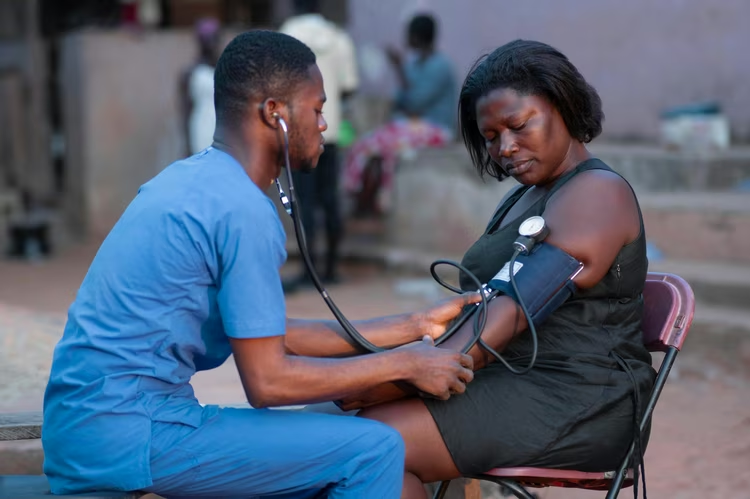
Some reports say that the proposed systems will require large amounts of national health data to be stored or accessed through platforms linked to external partners. For many countries, this raises questions about who controls that data and how it might be used. Health data is sensitive and includes information about patients, disease trends, and national health strategies. For some authorities, handing over that level of access can feel like losing a degree of control over the country’s own systems.
Why Zambia and Zimbabwe Are Declining the Aid
The decision centres around two main concerns. Sovereignty and data privacy.
It's reported that both countries have expressed concern that the structure of the aid gives external actors too much influence over national health data systems.
Another concern is long-term dependency. For decades now, health programmes in many African countries have relied heavily on international funding. While this support has saved millions of lives, it has also created systems that sometimes struggle when donor priorities change.
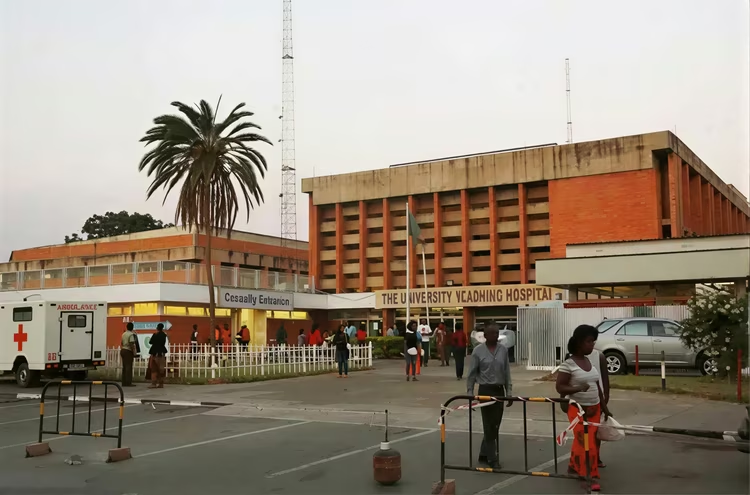
Turning down the aid may be a signal that Zambia wants more control over how its health systems are built and managed. But this decision does come with risk.
The Reality of Zambia’s Health Sector
Zambia’s health sector is already under pressure as hospitals often operate with limited resources. Rural clinics struggle a lot with staff shortages, and funding gaps appear regularly when donor programmes shift or end.
At the same time, the country is also still dealing with heavy external debt, including billions owed to international partners. This means public spending has to be carefully balanced between health, education, infrastructure, and debt repayments, all of which compete for the same limited resources.
Without the additional funding, Zambia will have to find other ways to strengthen its health service. And for many citizens, the worry is whether clinics will still have the support they need.
What could happen next?
Rejecting aid may not be the end that it seems. Other international health partnerships will continue at least for the foreseeable future. Zambia still works closely with many global health organisations, research groups, and development partners. Those relationships are unlikely to disappear overnight.

However, turning down a large package does send a message that future partnerships may need to be structured differently. Partners may need to adjust agreements so that both countries can benefit to an extent. This could lead to slower negotiations, but it may also create more balanced partnerships in the long run.
How Zambia Can Protect Its Health System Without International Aid
If Zambia wants to maintain independence while keeping the health sector strong, a few practical steps could make a difference.
● Strengthen local health funding: Even small increases in domestic health spending can reduce reliance on external donors over time.
● Invest in digital health systems: If data privacy is a concern, building national health data platforms managed locally could be the answer.
● Support private and community health initiatives: Partnerships with local organisations, NGOs, and private health providers can fill gaps where public services are stretched.
● Train medical workers: A strong workforce is one of the most important parts of a stable health system. Incentives for doctors, nurses, and community health workers can reduce shortages.
● Diversify international partnerships: Working with a wider range of partners spreads risk and prevents over-dependence on a single donor.
International aid has played a huge role in fighting diseases and strengthening clinics across Zambia. On the other hand, countries are increasingly asking how much control they should give up in exchange for support. The choice to decline the US’ offer may reflect a desire for greater independence, but independence also comes with responsibility.
For us, the real test is what happens next. Can we protect patient care, strengthen our own systems, and still build strong partnerships with the world?
The answer will shape the future of healthcare for millions of people.