What Exactly Is Anthrax?
Anthrax is a serious infectious disease caused by a spore-forming bacterium known as Bacillus anthracis, which naturally lives in soil and can survive there in a dormant state for years, sometimes decades, before it finds a host. The spores are incredibly resilient and can become activated once they enter an animal or human body, where they multiply, spread, and release toxins that cause severe illness. It primarily affects grazing animals such as cattle, goats, sheep, and wildlife like hippos, buffalo, and elephants, but it can also infect humans who come into contact with infected animals or their products.
How Does Anthrax Spread to People?
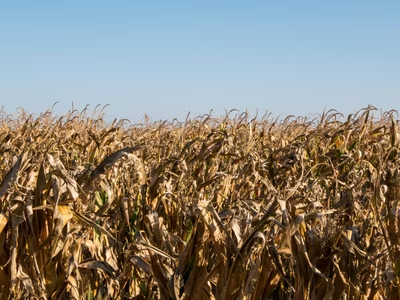
People usually contract anthrax through three main routes: eating meat from infected animals, handling contaminated carcasses with bare hands, or inhaling spores from contaminated soil or animal products. Gastrointestinal anthrax occurs from eating undercooked meat from infected animals, while inhalation anthrax, though rare, is the most dangerous form and can be fatal if not treated quickly. What makes anthrax particularly concerning in Zambia is that it is endemic to specific regions, meaning outbreaks recur seasonally, especially between September and December when dry conditions force animals to graze closer to the soil where spores lie dormant.
The 2026 Outbreak in Muchinga Province
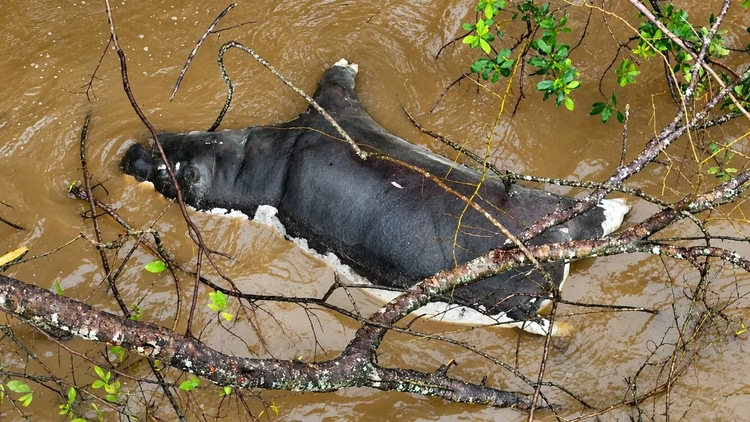
The current outbreak is centred in the Munyamadzi Game Management Area in Mpika District, Muchinga Province, where 46 hippos, 8 elephants, 5 buffaloes, and 1 crocodile have died since July. 12 people have been infected after consuming meat from these dead animals, and while no deaths have been recorded, all infected individuals are receiving treatment. The outbreak has also spread to Lavushimanda and Shiwang’andu districts, where 11 more suspected human cases have been reported.
What makes this situation tragic is that many of the affected communities depend on wildlife meat for food. The National Disaster Risk Management Division has deployed a multisectoral team to the area, and hunting has been temporarily suspended until the full extent of the outbreak is established.
How to Protect Yourself and Your Family
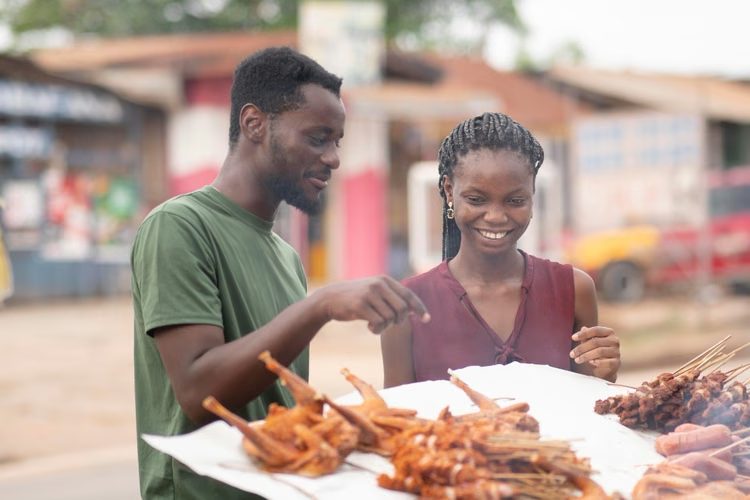
The most important thing you can do is avoid eating meat from any animal that has died suddenly or from unknown causes, and this applies to both wildlife and livestock. Never handle carcasses with bare hands, and if you must move a dead animal, wear protective gloves and cover your mouth and nose to avoid inhaling spores. Always buy meat from reputable sources such as registered butcheries or licensed game meat dealers, because untrusted bush meat could be carrying the infection. Cooking meat thoroughly at high temperatures kills the bacteria.
What to Do If You Think You Have Been Exposed
If you develop skin sores, blisters, vomiting, fever, or any unusual symptoms after handling or eating meat from a suspect animal, go to the nearest health facility immediately and tell the health worker about your exposure. Anthrax is treatable with antibiotics and prompt treatment reduces the risk of severe illness dramatically. Do not wait for symptoms to worsen, because early intervention is the difference between a mild illness and a life-threatening emergency. If you know of an animal that has died unexpectedly in your area, report it to the nearest veterinary office or the Department of National Parks and Wildlife so that experts can safely investigate and dispose of the carcass.
Why This Matters for Zambia
Zambia has experienced anthrax outbreaks before, including a devastating outbreak in 2023 that killed four people and spread to nine out of the country’s ten provinces, and an even larger outbreak in 2011 that recorded more than 500 human cases. The recurring nature of these outbreaks shows that anthrax is not a one-time problem but a persistent public health challenge that requires constant vigilance. By staying informed, avoiding risky behaviours, and seeking medical attention early, you can protect yourself and your community from this preventable disease.