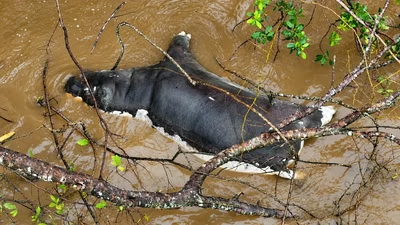
A pangolin might look like an unusual but harmless encounter in the wild. In Zambia, however, illegally possessing one could cost you years of your freedom.
The year 2026 began with another pangolin trafficking case before the courts in Lusaka. The Department of National Parks and Wildlife (DNPW) has continued to record arrests linked to the illegal possession and trafficking of pangolins.
According to figures released by the Ministry of Tourism in February 2026, DNPW recorded 154 pangolin-related arrests over the preceding two years. The figures also showed the recovery of 65 live pangolins, eight dead pangolins and 14 pangolin skins.
The cases are a reminder that possessing or trading in a pangolin is not simply a wildlife matter. It can result in serious criminal penalties under Zambia's wildlife laws.
What Pangolin Species Are Found in Zambia?
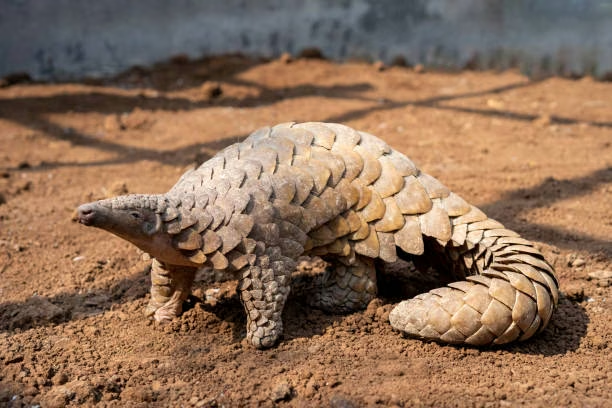
There are eight living pangolin species worldwide, divided between Africa and Asia. Two occur in Zambia: Temminck's ground pangolin (Smutsia temminckii) and the white-bellied tree pangolin (Phataginus tricuspis).
Pangolins are distinctive mammals covered in protective scales. When threatened, they can curl into a tight ball, using their scales as a form of protection against predators.
Despite their unusual appearance and natural defence mechanisms, pangolins remain highly vulnerable to illegal hunting and trafficking.
Why Are Pangolins Trafficked in Zambia?
Pangolins are widely recognised as the world's most trafficked mammals. Their scales and meat have contributed to demand in illegal wildlife markets.
Pangolin scales have been used in some traditional medicine practices in Asia and Africa, with various medicinal properties attributed to them. However, the claimed health benefits are not supported by established scientific evidence. Like human fingernails and rhino horn, pangolin scales are made primarily of keratin.
The potential profits offered by the illegal wildlife trade can create an incentive for people to capture and sell pangolins, while trafficking networks can move the animals across different parts of the country and beyond Zambia's borders.
Pangolins are also hunted for their meat, while cultural and traditional beliefs about the animals can contribute to demand in some communities.
What Does Zambia's Wildlife Law Say About Pangolins?
Pangolin possession and trafficking is a serious crime in Zambia.
The Zambia Wildlife Act No. 14 of 2015 contains provisions governing the possession, sale and trade of protected animals. Section 130 makes it an offence to possess, sell, buy, import, export or attempt to sell, buy, import or export a protected animal, trophy or meat of a protected animal in contravention of the Act.
The Wildlife Act also contains provisions dealing specifically with live wild animals. Section 98 prohibits certain dealings in live game or protected animals without the required authority.
How Many Years Can You Go to Prison for Possessing a Pangolin?
Under Section 130 of the Zambia Wildlife Act, the relevant offence carries a custodial sentence of between five and 10 years, without the option of a fine.
This means that a person found guilty of unlawfully possessing a protected animal can face a substantial prison sentence, depending on the offence and circumstances of the case.
The law therefore reaches beyond the person who captures or kills a pangolin. Unlawful possession of a protected animal can also result in criminal liability, depending on the circumstances and the applicable provisions of the law.
Why Are Pangolins Important to Zambia's Ecosystem?
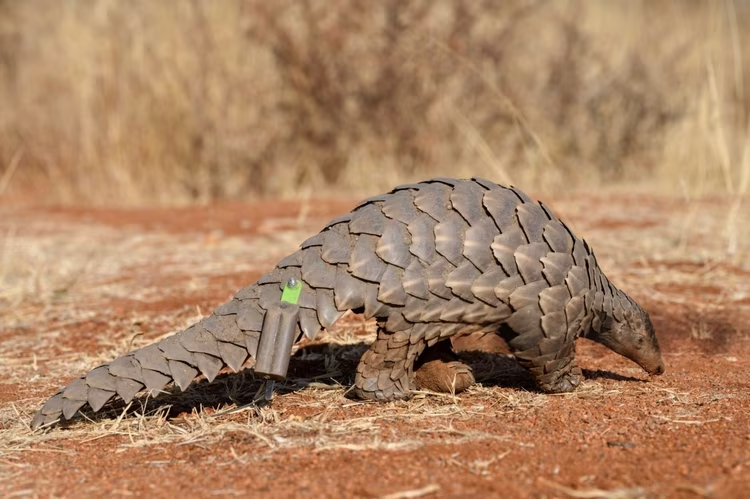
Pangolins play an important role in the ecosystems where they live. They consume large quantities of ants and termites, helping to influence insect populations.
Their digging and burrowing can also disturb the soil and contribute to nutrient cycling. By creating burrows and disturbing the ground as they search for food, pangolins can affect the structure and condition of the soil around them.
Pangolins also form part of the wider food web, with young or vulnerable animals potentially preyed upon by larger carnivores.
Continued declines in pangolin populations could disrupt ecological relationships within Zambia's savanna and woodland ecosystems.
Because pangolins consume large numbers of ants and termites, their decline may affect local insect populations and the ecological processes associated with them.
What Should You Do If You Find a Pangolin in Zambia?
If you come across a pangolin, the safest thing to do is not to handle it unless necessary.
Members of the public should report sightings or suspected trafficking to the relevant wildlife authorities rather than attempting to keep, sell or transport the animal themselves.
A pangolin found in the wild should not automatically be treated as an opportunity to make money. Attempting to capture or trade one without the required lawful authority can have serious legal consequences.
The Department of National Parks and Wildlife is responsible for wildlife management and enforcement in Zambia, and suspected cases of illegal wildlife possession or trafficking should be reported to the relevant authorities.
When Is World Pangolin Day?
World Pangolin Day is observed on the third Saturday of February each year. The day is used to raise awareness about pangolins and the threats they face from illegal hunting, trafficking and habitat loss.
Pangolins may be small and unusual-looking, but their role in the ecosystem is significant. Protecting them requires both stronger enforcement and greater public awareness about the consequences of illegal possession and trade.
For anyone who encounters a pangolin, the message is simple: admire it, leave it alone and report it to the appropriate wildlife authorities.