Nothing quite matches the satisfaction of settling into a new home. The walls are freshly painted, the estate is quiet, and the promise of privacy and security feels reassuring. For many Lusaka residents who have moved to the city's outskirts, the dream of more space and a quieter life is becoming a reality.
But step outside and another reality quickly sets in. The road to work can be long, dusty and increasingly congested as more homes and estates appear along the city's expanding edges. In some communities, reliable public water and adequate drainage remain works in progress, leaving residents to find their own solutions.
This is the new face of Lusaka's suburban expansion: beautiful homes are appearing faster than some of the infrastructure needed to support them.
Why Lusaka's Outskirts Are Growing
Lusaka's outskirts are rapidly changing as residential developments, businesses and new communities expand beyond the city's traditional urban centres. For many households, the appeal lies in larger plots, greater privacy, quieter surroundings and, in some areas, a stronger sense of security.
For Chiluba Bwalya, who has lived in Barlastone Park for more than three years, security was the main motivation for settling there. He also finds the area's quiet surroundings therapeutic and enjoys the environment.
"Barlastone is great and enjoyable," he shared.
Shadreck Mumba is another resident who sought greater privacy, security and more space outside the city's busier areas. Today, he lives in Kalundu, Lusaka West, where he appreciates the sense of freedom the area provides.
"Here I feel safer now, you know, less drama and more freedom," he said.
As Lusaka's urban population and built-up area continue to grow, pressure on housing, roads and other public services has increased. Economic opportunities and access to education, healthcare and other services also continue to attract people towards the capital, contributing to the city's outward expansion.
Seeking more space to grow his own crops and reduce the rising cost of living in Lusaka, Luckson Mulenga began searching for land and eventually settled in Chongwe West, where he has lived for seven years. He enjoys the quiet surroundings and Chongwe's favourable rainfall.
"Chongwe is growing so fast, with so much farming going on. I think it's the best place for me because I farm," he explained.
Similarly, Trycent Milimo, who lives along the Mumbwa Road Corridor, finds life on the outskirts advantageous.
"The advantages of living here are that we grow our own food, which reduces expenses. It's also a peaceful environment due to the reduced number of people and activities," he said.
Ultimately, as more families settle on the outskirts, many are surrounding their homes with walls, contributing to the growth of gated communities. However, residents interviewed said the walls had done little to reduce interaction between neighbours.
The Challenges of Living in Lusaka's Outskirts
Beyond the beautiful new homes, difficult journeys await.
Contemporary gated homes increasingly characterise the outskirts, but road networks and other infrastructure have not always kept pace with development. For many families, long distances to central Lusaka for work and other activities are among the major challenges.
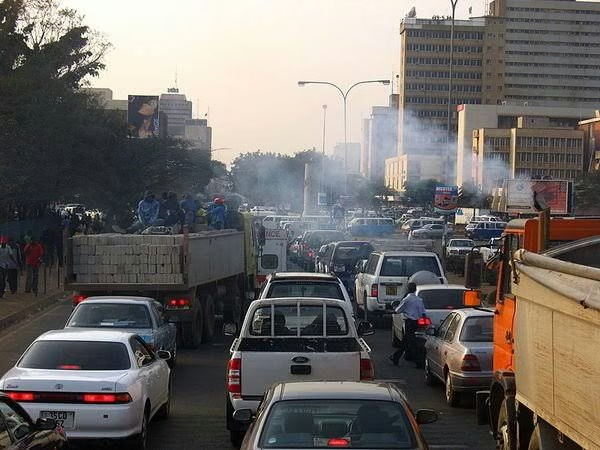
Traffic congestion is another growing concern as these areas' populations increase. Some of the available roads were designed for significantly lower levels of traffic and are now carrying more vehicles as development continues.
Benjamin Wazanga, a resident of Chamba Valley who uses a combination of private and public transport, identified traffic congestion as one of the neighbourhood's greatest challenges.
Traffic, Drainage and Transport Problems
As undeveloped land is replaced by houses, driveways and other hard surfaces, rainwater has fewer opportunities to naturally infiltrate the ground. Where adequate drainage infrastructure has not kept pace with development, stormwater can accumulate and increase the risk of localised flooding.
This is a concern for Justine Zulu, who has lived in the G-Greens area of Lilayi for almost a year.
"I think the biggest challenge at the moment is traffic, and the lack of drainage, so it kind of floods here sometimes," he explained.
For Christopher Nduwa, who lives in Zanimuone West, inadequate drainage and limited public transport are among the challenges facing the expanding area.
Lack of street lighting is also a concern in some parts of the outskirts. Shadreck Mumba, who lives in Lusaka West, identified the lack of adequate lighting as one of the area's challenges.
While the transformation of Lusaka's outskirts presents pressing challenges, it also reflects the aspirations of residents seeking greater privacy, security and quality of life.
Can Lusaka's Infrastructure Keep Up With Urban Growth?
Lusaka's outward growth is creating new opportunities for housing and business development, but it is also placing increasing pressure on municipal services and infrastructure.
The Lusaka Water and Sewerage Company has identified the expansion of water and sanitation services as an important need as Lusaka's urban area continues to grow. However, rapid development in some areas means that public infrastructure does not always reach new communities at the same pace as housing construction.
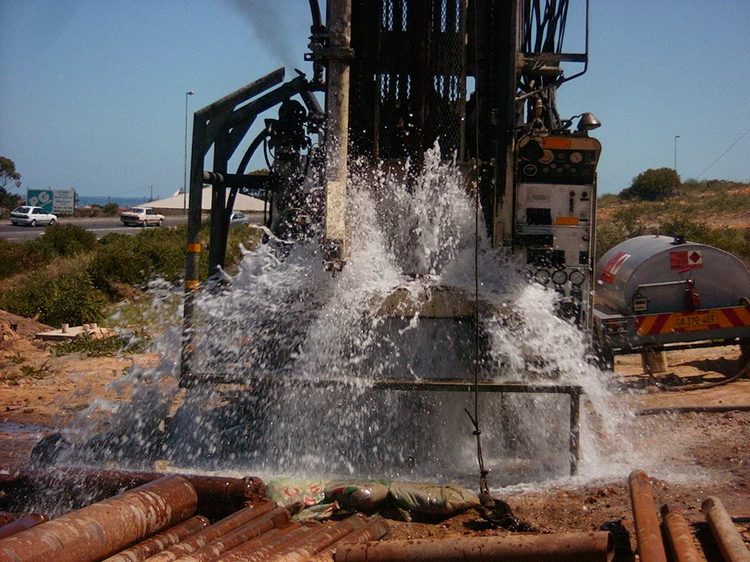
In areas where the public water network does not provide adequate coverage, private boreholes have become an important source of water for many households.
The challenge extends beyond water. Roads, drainage, sewerage, street lighting and public transport must also expand as new residential areas emerge.
What the Greater Lusaka Development Plan Means
There are, however, plans aimed at guiding the long-term growth of the wider Lusaka region.
The Project for Formulation of Comprehensive Regional Development Plan for Greater Lusaka, developed through cooperation between the Government of Zambia and the Japan International Cooperation Agency (JICA), provides a long-term framework for the development of Greater Lusaka.
The plan looks towards 2045 and addresses several aspects of regional development, including transport, water supply, sewerage, drainage and land use.
Among the proposed measures are improvements to water-supply coverage, sewerage systems and wastewater treatment infrastructure, alongside wider transport and drainage improvements.
The plan provides a framework for addressing some of the infrastructure pressures created by Lusaka's outward growth. Whether roads, water, drainage and other public services can keep pace will ultimately depend on implementation, investment and the speed of future development.
The Road Ahead
The expansion of Lusaka's outskirts is no longer a distant possibility. It is already reshaping how and where people live.
For residents such as Bwalya, Mumba, Mulenga and Milimo, the move outward has brought the privacy, space, security and quieter surroundings they were looking for.
But the new homes also bring new demands.
As Lusaka continues to expand, the challenge will be ensuring that roads, water systems, drainage, sanitation, public transport and other services grow alongside the communities that depend on them.
The question is no longer whether Lusaka will expand. It is whether its infrastructure can expand with it.