As concerns about future climate shocks grow, the question is no longer simply whether Zambia can respond when disaster strikes, but whether it can prepare before the next crisis arrives.
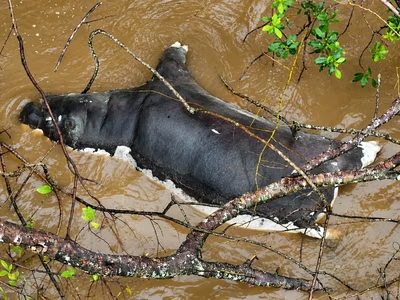
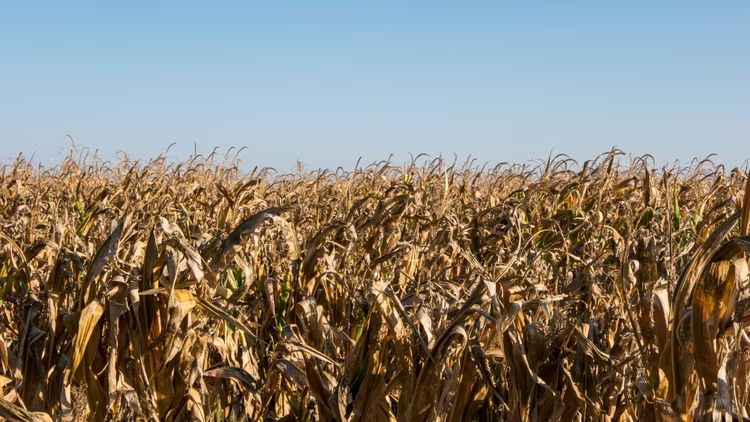
Remember the scorching heat and prolonged dry spells of early 2024, when maize fields began turning yellow, and the rains failed to arrive as expected? The drought that followed devastated crops, disrupted livelihoods and was later compounded by crippling load shedding. Of the approximately 2.2 million hectares planted with maize, around 1 million hectares were affected by the drought, according to government estimates. Nobody was spared.
A major driver of the crisis was El Niño, a naturally occurring climate pattern associated with unusually warm sea-surface temperatures in the central and eastern equatorial Pacific Ocean. El Niño can alter weather patterns around the world, although its effects vary from region to region.
In its climate updates, the World Meteorological Organisation (WMO) has warned that changes in ocean and atmospheric conditions can influence global temperature and rainfall patterns, increasing the risk of extreme weather in some parts of the world. The effects of El Niño vary depending on its intensity, duration, time of year and interaction with other climate variables. For countries vulnerable to drought, changing climate conditions are a reminder that preparation for extreme weather needs to begin before a crisis takes hold.
What Is El Niño and Why Does It Matter?
El Niño is a naturally occurring climate pattern, but it unfolds against a backdrop of rising global temperatures and a changing climate. Scientists have long warned about the consequences of a warming planet, particularly as extreme weather events become more damaging to communities, economies and food systems.
The 1997–98 El Niño was one of the strongest on record and was widely dubbed the “El Niño of the Century”. In many developing countries, the event contributed to infrastructure damage, food and water shortages, displacement and increased risks of disease outbreaks, according to the United Nations Office for Disaster Risk Reduction.
The Global Carbon Project, an international research initiative that tracks carbon emissions, has reported continued growth in global fossil carbon dioxide emissions, underlining the scale of the challenge facing efforts to reduce greenhouse-gas emissions and limit global warming. While El Niño is a naturally occurring climate phenomenon, a warmer planet can intensify some of the extreme weather impacts associated with climate variability.
How Zambia Can Prepare for Future El Niño and Drought
What can we do to make life a little smoother when drought and other extreme weather events arrive? This time around, we do not have to be helpless or defeated. Incremental changes at the national and household levels can help us withstand future climate shocks more comfortably.
1. Protecting Zambia's Food Supply
First, preserving our harvests. This year, Zambia is projected to produce nearly 5 million metric tonnes of maize, according to the Ministry of Agriculture. Building adequate strategic reserves and carefully managing maize exports could help ensure that the country retains sufficient supplies should future droughts reduce production.
Farmers should also be encouraged to keep a portion of their produce and, where appropriate, adopt drought-tolerant varieties of maize and other crops such as sorghum and millet. Diversifying food production could help reduce the impact of poor rainfall on both farmers and consumers.
2. Investing in Solar and Alternative Energy
During the drought in February 2024, President Hakainde Hichilema declared the situation a national disaster and emergency and laid out his government's plans to steer the nation through the challenging period. One of those plans was to expand alternative energy generation and reduce Zambia's heavy reliance on hydropower.
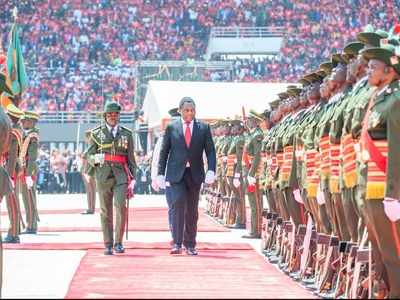
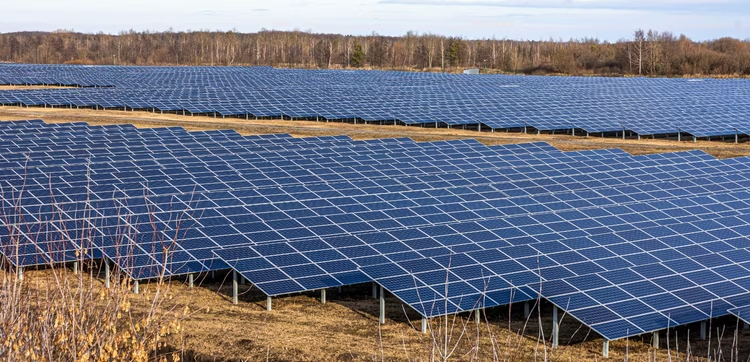
During his speech officially opening Parliament in September 2025, President Hichilema said the government was focused on developing solar and thermal energy capacity that would be less vulnerable to the effects of climate change. He said solar projects expected to be commissioned over the following 12 months would add a confirmed total of 740 megawatts of generating capacity.
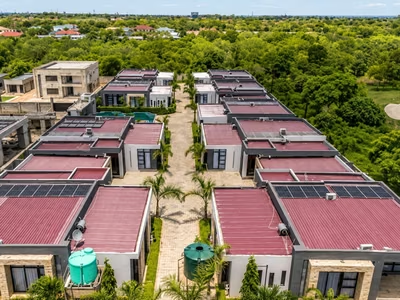
At household level, solar backup systems remain beyond the reach of many families and small businesses because of their high upfront costs. However, for those who can afford it, investing in alternative energy before a crisis can provide greater protection against prolonged power shortages. Expanding access to affordable renewable energy solutions will therefore be crucial if more households and small businesses are to become energy resilient.
3. Saving and Harvesting Water
Prolonged dry spells can reduce surface-water supplies, place pressure on groundwater resources and increase the risk of water shortages.
In the aftermath of the 2023/24 drought, the country allocated more resources towards the rehabilitation and construction of dams and other water infrastructure. Increasing water-storage capacity can help make more water available for agriculture, sanitation and industrial use during periods of low rainfall.
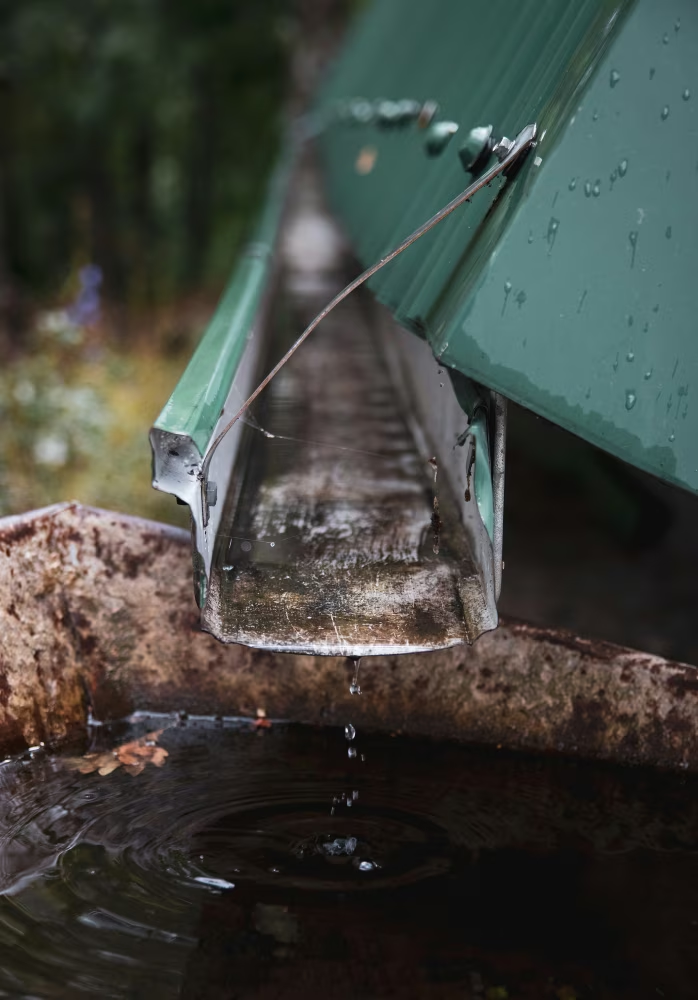
Farmers can also construct reservoirs and other water-storage systems to support irrigation during dry periods. At household level, families can collect rainwater from rooftops and consider using permeable surfaces and vegetation where practical to reduce runoff and encourage water to infiltrate the ground.
We cannot wave a magic wand to stop El Niño or prevent every extreme weather event, but we can learn from the devastation we have endured in the past. The adoption of climate-resilient agricultural practices, investment in renewable energy and the development of climate-smart infrastructure are among the strategies that can help Zambia withstand future climate shocks.
Extreme weather may be unavoidable, but the level of hardship it causes does not have to be.