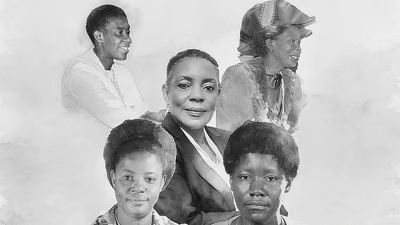
But the struggle came at a cost, as security forces responded with arrests and deadly force. Discover how ordinary people, including women and young activists, helped turn a campaign for political change into a defining chapter in Zambia's journey to independence.
In 1961, a dance-inspired name became a rallying cry for resistance in Northern Rhodesia. Known as Chachacha, the campaign brought demonstrations, boycotts and sabotage to Luapula as African nationalists challenged British colonial rule. The struggle would become an important chapter in the events leading to Zambia's independence in 1964.
British Colonial Rule in Northern Rhodesia
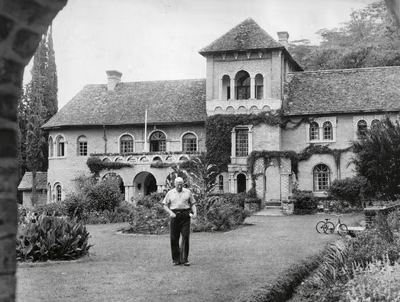
The British government took direct control of Northern Rhodesia from the British South Africa Company (BSAC) in 1924, establishing a colonial administration that discriminated against Africans. The authorities established district offices, courts, police forces and taxation systems. They also regulated land and labour and used identity documents known as chitupas, which Africans were required to produce in certain circumstances.
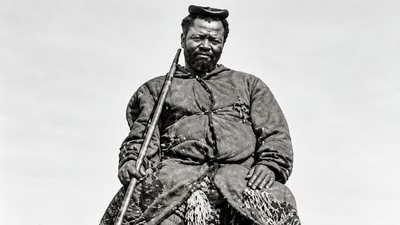
For the next four decades, colonial rule shaped many aspects of African life, from taxation and labour to movement and political representation. African nationalist movements grew steadily, demanding greater African representation and majority rule in Parliament.
How UNIP Built Support in Luapula Before Independence
In 1960, Kenneth Kaunda became president of the United National Independence Party (UNIP), which campaigned for African majority rule and independence. The party rapidly built grassroots support across Northern Rhodesia, with Luapula becoming one of its important centres of mobilisation.
The campaign drew strength from ordinary people who were increasingly dissatisfied with colonial rule and the limited political power available to Africans. Luapula would become a particularly significant centre of the Chachacha campaign, with local organisers helping to mobilise communities against the colonial administration.
Why the 1961 Constitution Sparked the Chachacha Campaign
In response to growing demands from Kenneth Kaunda and UNIP, the British colonial government proposed a new constitution for Northern Rhodesia in 1961. Among its provisions was an electoral arrangement commonly known as the 15-15-15 system, involving different electoral rolls and qualifications for representation.
Although the proposal offered a route to increased African representation, nationalists opposed it because they believed it would continue to limit African political power and delay majority rule. UNIP wanted Africans to take control of the country's government and rejected the proposed arrangements.
The constitutional dispute continued, and UNIP launched a campaign of mass civil disobedience in July 1961. The campaign aimed to make colonial administration increasingly difficult and pressure the British government towards political change. The constitutional debate and subsequent changes were discussed in the British Parliament in February 1962.
Kenneth Kaunda's Strategy of Civil Disobedience
Kenneth Kaunda's original approach to mass civil disobedience was heavily influenced by nonviolent resistance. He did not want uncontrolled violence. UNIP's leadership understood that indiscriminate violence could undermine international sympathy, frighten minority communities and give the colonial government justification for a harsher crackdown.
Kaunda had urged supporters to remain patient and nonviolent in thought, word and deed. At the Mulungushi Conference on 9 July 1961, where he addressed thousands of party delegates, he dropped the word “patient” from his earlier appeal but continued to emphasise the importance of nonviolence.
However, the campaign's organisers also sought to make Northern Rhodesia increasingly difficult to govern. Lewis Changufu, one of the principal organisers of Chachacha, later described the strategy as an attempt to make the territory “ungovernable” and force the colonial government towards independence. The campaign was organised in phases, with committees in several provinces reporting on their activities.
Road Blockades, Sabotage and Resistance in Luapula
Once the Chachacha campaign gathered momentum in Luapula, it went beyond the strict limits of Kaunda's nonviolent strategy. Alongside demonstrations and other forms of civil disobedience, activists dug enormous pits across major routes to block traffic, brought down bridges and marched through streets demanding independence.
The scale of the disruption was considerable. According to the historical study Recovering Nonviolent History, between 15 July and 31 October 1961, 146 roads were destroyed or blocked, 64 bridges were destroyed, 64 schools were destroyed and 77 other public buildings were damaged or destroyed. The same account records 69 motor vehicles burned or destroyed.
Women were not merely spectators. Mama Chola, a participant from the Mwense area of Luapula, recalled women burning ifitupa (identity documents) and imichato (marriage certificates) as an act of resistance. In her account, children were sometimes sent to deliver the ashes to district offices because adults feared the consequences of doing so themselves. Her testimony, recorded in Fergus Macpherson's account of Kaunda's life, illustrates the role ordinary people played in challenging colonial authority.
Colonial Crackdown: Arrests, Deaths and Repression
The risks described in these accounts were real. The colonial administration responded to the disturbances with arrests and the deployment of security forces. Police and other security personnel sought to restore order as the campaign disrupted roads, public services and government operations.
The crackdown came at a human cost. Historical accounts describe arrests, beatings and deaths during the disturbances. Macpherson's account records that more than 2,600 people had been arrested by October 1961, although figures can vary according to the reporting period and geographical scope.
The campaign therefore exposed a central contradiction in the struggle for independence. While UNIP's leadership had advocated nonviolence, the growing momentum of resistance produced acts of sabotage, while the colonial government's response involved coercion and repression.
How the Chachacha Campaign Changed Northern Rhodesia's Politics
Despite the colonial government's response, the scale of the disruption increased pressure for a political settlement. In February 1962, Colonial Secretary Reginald Maudling announced further constitutional proposals. The changes helped resolve the dispute sufficiently for UNIP to participate in the October 1962 elections, after the party had considered boycotting them.
The October 1962 elections did not give UNIP an outright majority. A coalition government followed, reflecting the continuing political negotiations over the territory's future. Nevertheless, the Chachacha campaign had demonstrated the strength of popular opposition to colonial rule and contributed to the pressure for constitutional change.
From the Chachacha Campaign to Zambia's Independence in 1964
Although the Chachacha campaign did not immediately bring independence, it formed part of the wider struggle that challenged colonial authority and helped shape the final phase of decolonisation.
In January 1964, UNIP won 55 of the 75 elected seats, securing a clear parliamentary majority. On 24 October that year, Northern Rhodesia became the independent Republic of Zambia, with Kenneth Kaunda as its first president.
The Chachacha campaign remains an important chapter in Zambia's history because it demonstrated how ordinary people, local organisers and political movements could challenge colonial authority. In Luapula, the campaign's demonstrations, sabotage and acts of defiance revealed both the determination of those demanding change and the heavy costs of the struggle for independence.