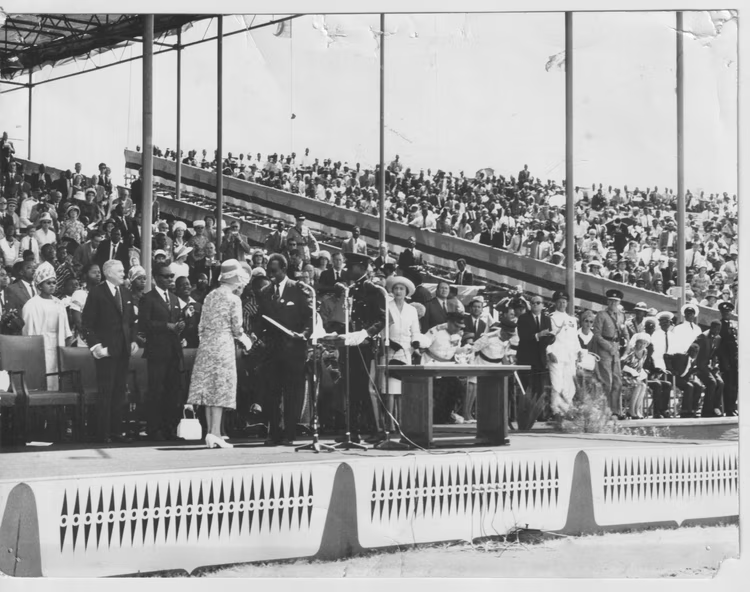
There was a palpable mix of euphoria, hope, relief and anxiety in the air. Across Zambia, crowds gathered, singing, dancing and celebrating a future that, for so long, had seemed out of reach.
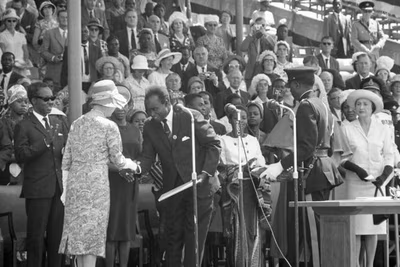
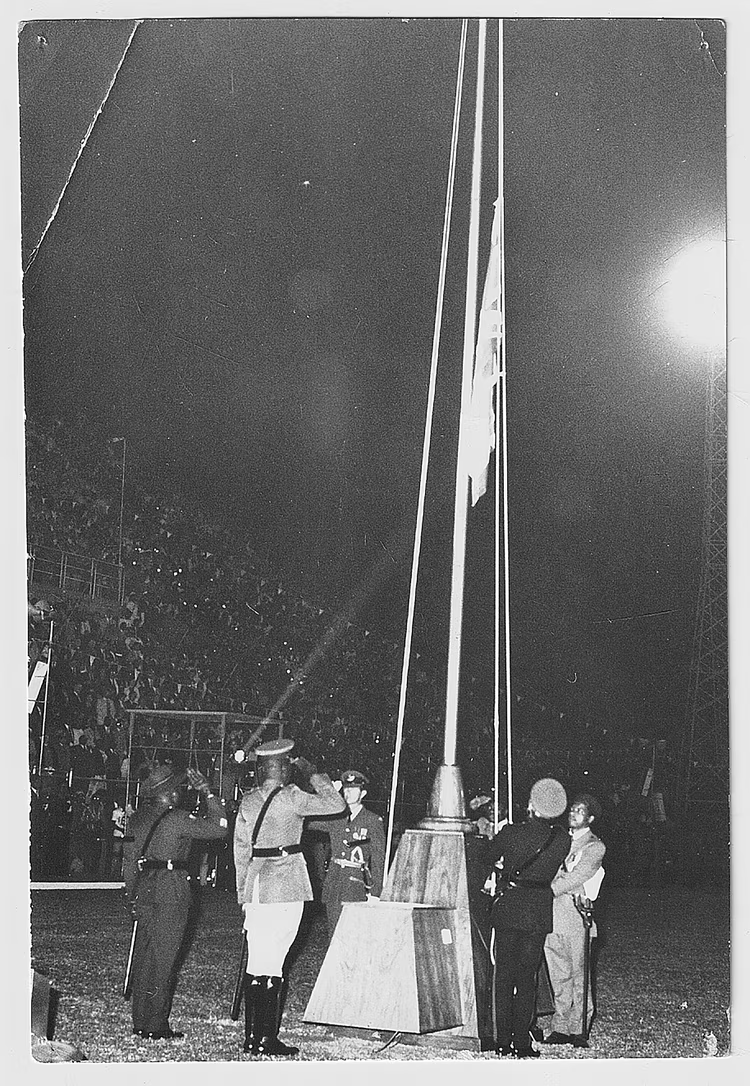
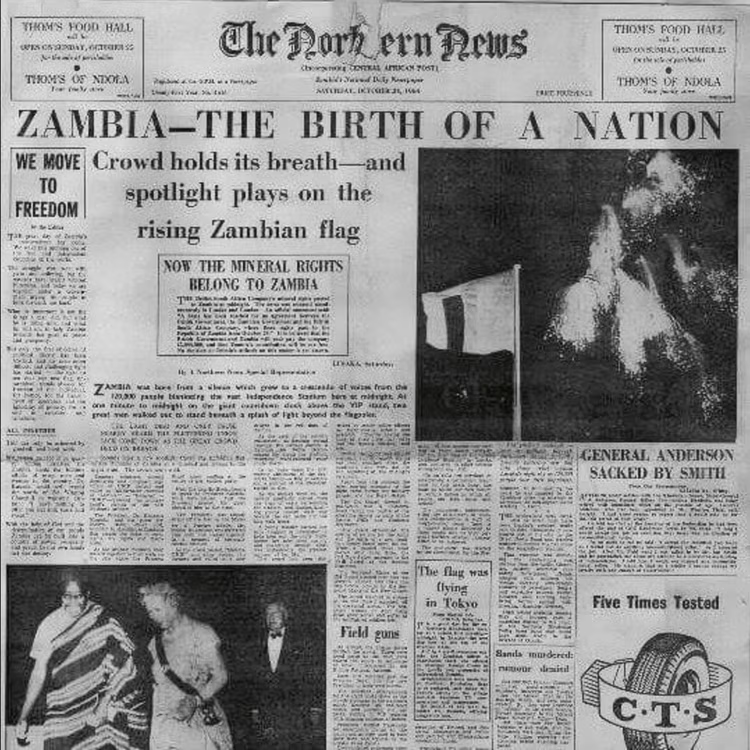
The day was 24 October 1964. After decades of resistance, political mobilisation, civil disobedience and sacrifice, Northern Rhodesia ceased to exist and the Republic of Zambia was born. In Lusaka, thousands packed Independence Stadium to witness the lowering of the Union Jack for the last time and the raising of the Zambian flag for the first time. Shouts of kwacha (dawn or sunrise) rang through the stadium and the streets. Indeed, it was the dawn of a new era. This was a moment many had fought for, many had sacrificed for, and many had not lived to see.
To understand how the country arrived at that moment, we must go back more than two decades.
1940: Nationalism on the Rise
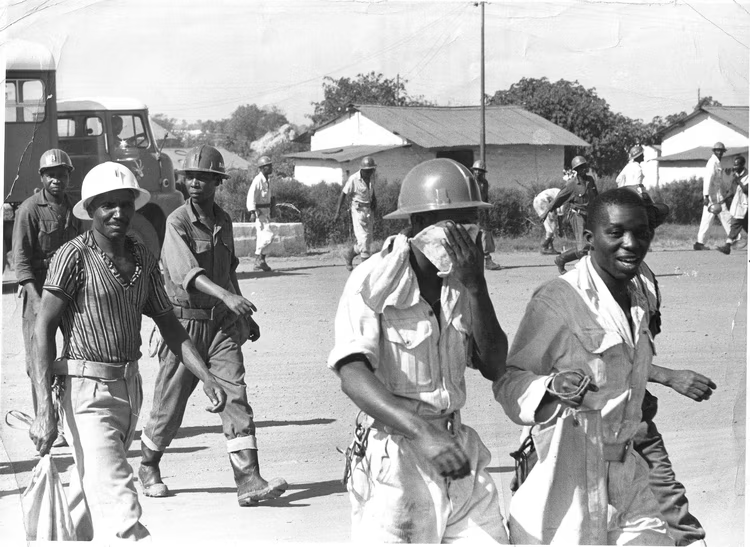
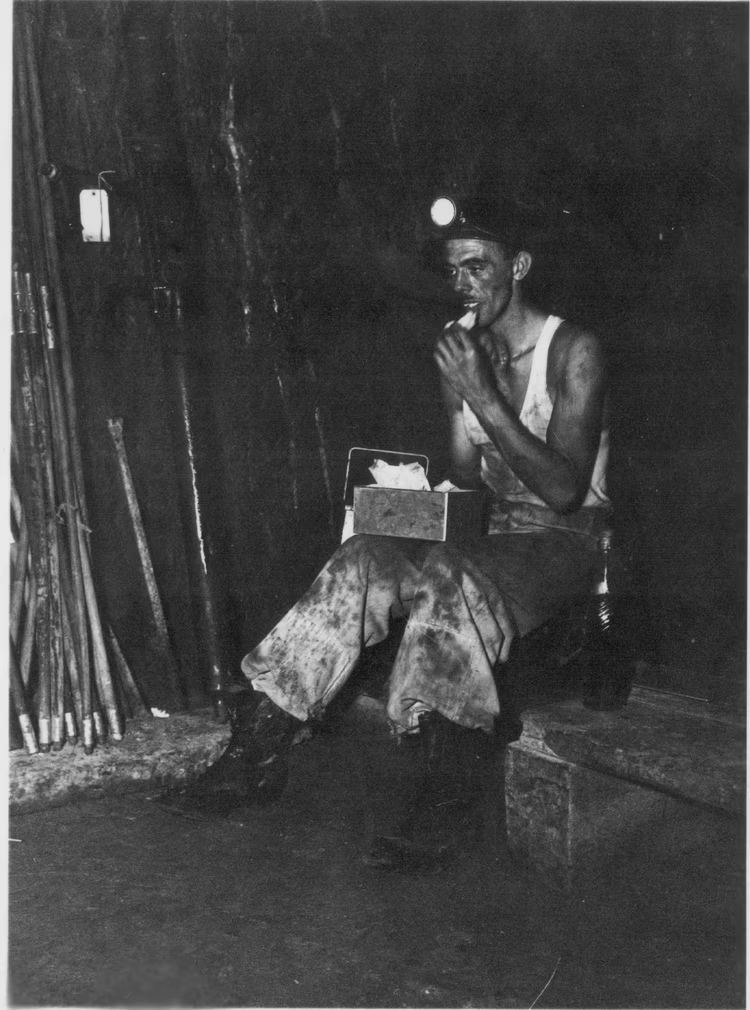
Resistance to colonial rule predated the 1940s, but this was the decade in which African nationalism began to gather force. One of the most pivotal events was the second major Copperbelt Mineworkers’ Strike in 1940, a follow-up to another major strike by mineworkers in 1935. African mineworkers went on strike over rock-bottom wages, which were significantly lower than those of white workers. Poor housing, inadequate food provisions and limited opportunities for advancement added to their growing frustration. On 3 April, troops opened fire on strikers at Nkana. Seventeen people died and around 65 were injured.
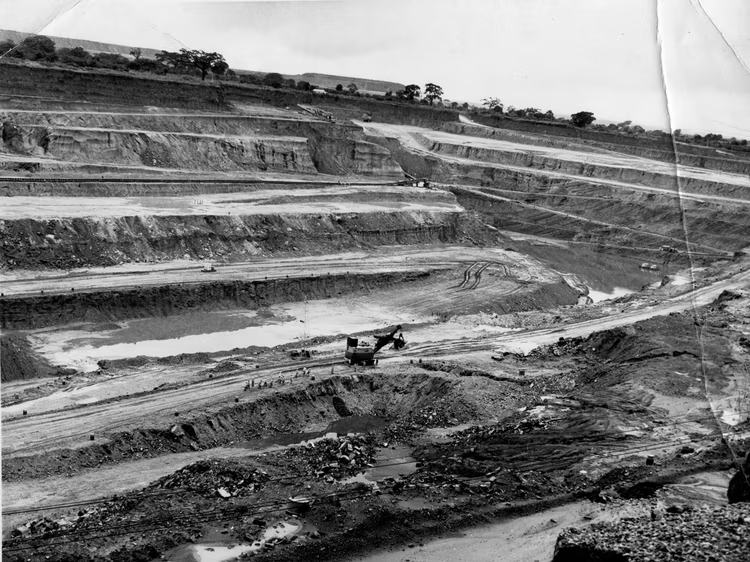
The second strike was bigger and more consequential, spurring further protest despite its brutal suppression. It represented more than just pushback against poor conditions. Mineworkers and the wider African population were becoming more politically conscious and increasingly frustrated by their treatment at the hands of Europeans.
1946
As such, Africans continued to form political organisations throughout the 1940s and in the years leading up to independence in 1964. In May 1946, 14 African societies came together to form the Federation of African Welfare Societies of Northern Rhodesia, a leading organisation in the development and growth of the nationalist movement in colonial Zambia. The Federation of African Welfare Societies later became the Northern Rhodesia African Congress (NRAC) in 1948, and then the African National Congress (ANC) in 1951.
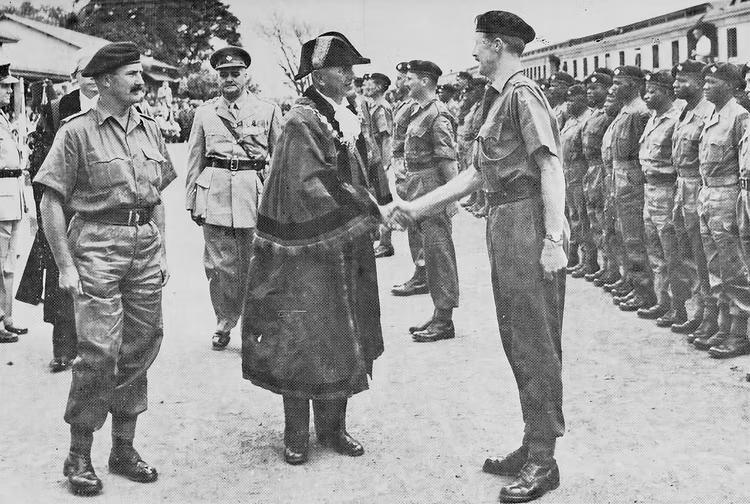
Much like the mineworkers, African soldiers who had fought for Britain in the Second World War wanted change. They returned home from service in places including Burma (present-day Myanmar), India and the Middle East, disillusioned. Racism persisted even away from home while they were part of the British forces and they received lower wages, pensions and post-war benefits than white servicemen. And unlike their white counterparts who fought in the war, they were not treated like heroes. This sparked a political awakening in many veterans, some of whom went on to join organisations such as the Welfare Societies and the NRAC.
1948
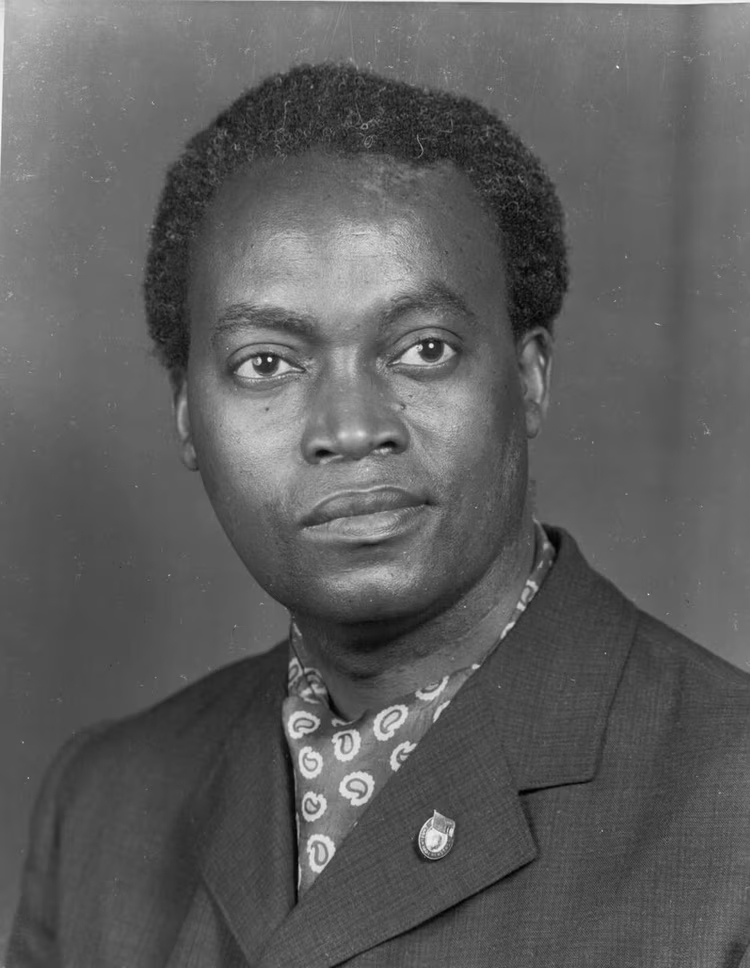
The NRAC was the first major African political party in Northern Rhodesia. Its goals included advancing the educational, political, economic and social interests of Africans. The organisation elected Godwin Mbikusita-Lewanika as its president in 1948. He nurtured several other freedom fighters and supported their education. Highly educated himself, he facilitated scholarships for Simon Mwansa Kapwepwe and Mainza Chona, among others, under the NRAC banner. Kapwepwe was a teacher, a member of the Chinsali African Welfare Association, and a founding member of the NRAC. He is also credited with coining the name Zambia.
1951: Political Growth and Momentum
The foundations laid in the 1940s continued into the 1950s.
Harry Mwaanga Nkumbula took over as leader of the NRAC in 1951, and under his leadership it was renamed the African National Congress (ANC). The ANC aligned itself with liberation movements around Africa, including the ANC in South Africa. The wider anti-colonial movement also attracted supporters from diverse backgrounds, including anti-colonial activist Simon Zukas, who would later become one of Zambia’s best-known nationalist figures.
1955
In 1950, Kapwepwe left Northern Rhodesia on a four-year scholarship to India, where his studies included journalism. Upon his return to Northern Rhodesia in 1955, he became acting president of the ANC, as two of its major figures, Kenneth Kaunda and Nkumbula, had been jailed by the colonial government for distributing literature deemed ‘subversive’. Kapwepwe had long been disillusioned with British rule, and studying in India, a country that had freed itself from British rule, deepened his passion for the struggle.
1958
Nkumbula appointed Kapwepwe as ANC treasurer following Nkumbula’s release from prison in 1956. However, two years later, Kapwepwe, along with Kaunda, Sikota Wina and other prominent freedom fighters, parted ways with Nkumbula over his conciliatory nationalist stance and his willingness to participate in Legislative Council elections run by colonial authorities and slated for the following year. The split from Nkumbula led to the creation of the Zambia African National Congress (ZANC) in October 1958, a younger and more radical party within the independence movement.
1959
The freedom struggle was intensifying, and so was the colonial government’s response. Northern Rhodesia, Southern Rhodesia (Zimbabwe) and Nyasaland (Malawi) had been amalgamated into the Federation of Rhodesia and Nyasaland (also known as the Central African Federation) in 1953, posing a major challenge to the fight for freedom.
The colonial government outlawed ZANC in 1959. Kaunda was arrested and later sentenced to nine months in prison, while Kapwepwe was also detained and confined to Mongu.
The United National Independence Party (UNIP) was formed later that year as ZANC’s political successor, with Mainza Chona becoming the party’s first president. Chona had returned from the UK after qualifying as a lawyer. After his release, Kapwepwe helped organise UNIP branches in Barotseland.
1960: Change on the Horizon
Despite colonial attempts to shut down resistance, the groundwork laid throughout the 1940s and 1950s was solid, and freedom was inevitable. Kaunda was released in 1960 and elected president of UNIP, while Chona became his deputy.
In February 1960, in Cape Town, British Prime Minister Harold Macmillan gave the historic ‘Wind of Change’ speech in which he acknowledged the rise of African nationalist movements and signalled the impending end of British colonial rule across much of Africa.
In December 1960, Kaunda, Kapwepwe, Chona and Nkumbula travelled to London for the Federal Review Conference, adding to mounting pressure against the Federation of Rhodesia and Nyasaland and helping accelerate the journey to independence.
1961
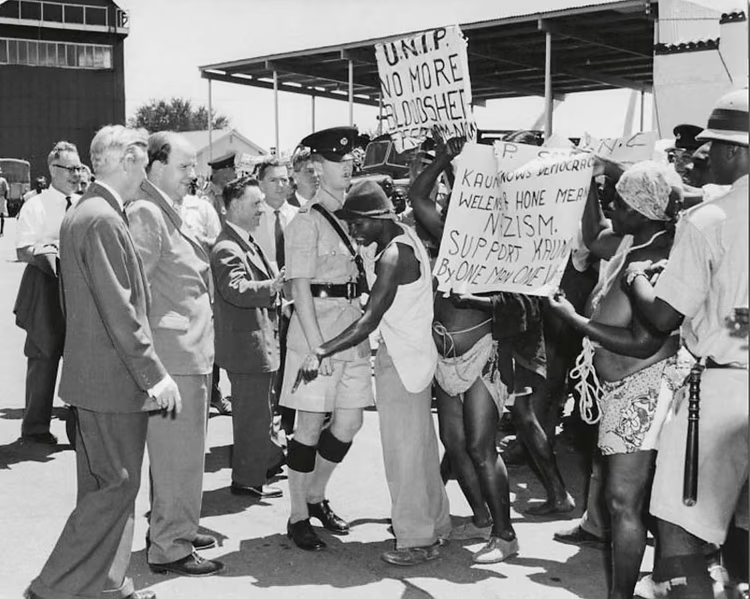
In 1961, colonial authorities had to ‘face the music’. The Cha-Cha-Cha Campaign was launched, its name drawing on the popular Cuban-origin dance. The campaign, which Kaunda intended to be non-violent, included strikes, roadblocks and the burning of IDs or passes. However, there were instances of arson, including the burning of schools and bridges. The colonial government responded with crackdowns and arrests, but the unified freedom campaign was a reminder that the nationalist movement was not going away. Pivotal elections followed in 1962: a general election in October and by-elections in December.
1962–1964
UNIP won several seats and formed a coalition government with the ANC to prevent European-dominated parties from governing. Kapwepwe, who won a seat in the Northern constituency, became Minister of African Agriculture. The party’s influence also grew through organisers and future leaders, including Elijah Mudenda, who helped strengthen UNIP as the push for self-government intensified. The freedom movement grew stronger while British rule crumbled. With the dissolution of the Federation of Rhodesia and Nyasaland at the end of 1963, independence negotiations with the colonial government intensified. The appetite for independence only grew stronger and the finish line was in sight.
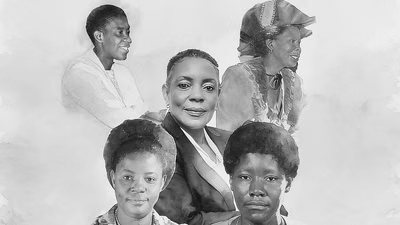
In January 1964, tensions were high, but so was the hope for a new future. Chona became Minister of Justice, while Kaunda became the first African prime minister of Northern Rhodesia. Later that year, in Chinsali, Kaunda and Kapwepwe’s hometown, tensions between UNIP supporters and the Lumpa Church escalated into violent conflict, drawing in the colonial government. The African-initiated church combined Christian theology with Bemba traditional practices. Led by Alice Lenshina, the Lumpa Church rejected all earthly authority and refused to be registered with the state or pay taxes. This led to a violent confrontation known as the Lumpa Uprising. Around 700 people were killed, thousands were displaced, and Lenshina was arrested.
1964: Crisis, Final Negotiations and Victory
Still, the drive towards independence continued.
In May 1964, the Barotseland Agreement was signed in London. This agreement between the British government, the Northern Rhodesian government under Kaunda’s leadership and the Litunga, king of the Lozi people, granted Barotseland a certain degree of autonomy and a unique cultural status within Zambia. (This agreement was later terminated through a constitutional amendment in 1969 by the UNIP government.)
On 24 October 1964, all the efforts of the struggle bore fruit. Northern Rhodesia officially became the Republic of Zambia with Kaunda as president and Reuben Kamanga as vice-president. In the stadium were other stalwarts of the independence struggle as well as everyday Zambians who contributed to the fight through various acts of resistance. Here was a new nation born out of fire and struggle. Nation-building would be no easy task and a difficult road lay ahead, but Zambia was free at last.
Facts
- 1948 caption: Mainza Chona helped found UNIP and became its first president. He later chaired the Chona Commission, served as Zambia’s third vice-president and twice as prime minister, becoming the first person to hold that office.
- 1951 caption 1: Harry Nkumbula
- 1951 caption 2: O. R. Tambo
- 1958 caption: A.Creech Jones with the Northern Rhodesia Legislative Council.
- 1959 caption 1: The Federation of African Welfare Societies became the Northern Rhodesia African Congress.
- 1959 caption 2: The Central African Federation united Southern Rhodesia, Northern Rhodesia and Nyasaland from 1953 to 1963, when it was dissolved amid growing nationalist opposition.
- 1961 caption: Chachacha Campaign
- 1962 caption 1: Alice Lenshina
- 1962 caption 2: Alice Lenshina married twice, first to Gibson Nkwale and then to Petros Chintankwa, with whom she had five children.
- 1964 caption: Independence Day 1964