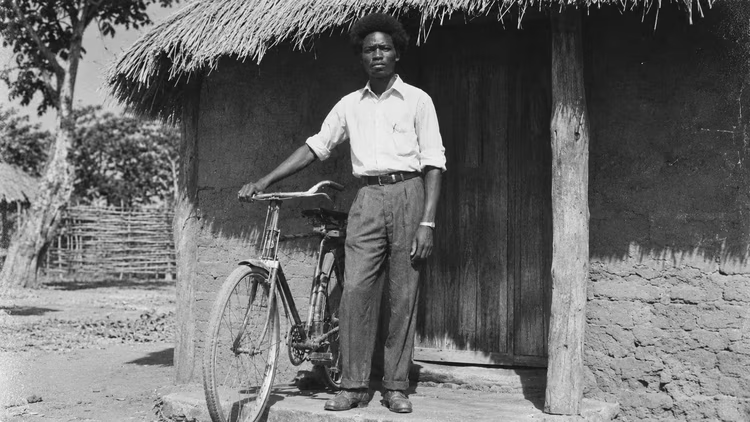
There’s an old photograph in an even older photo album, fading at the edges. The young man in it stands at the doorstep of a hut, holding a bicycle that would change his family’s financial circumstances by making it possible for him to travel from Chongwe to Lusaka for work. He wears a white shirt tightly tucked into grey cotton trousers, brown shoes and an afro. In his serious expression is a lifetime of stories that no one remembers. All that remains as proof of those times is this photograph.
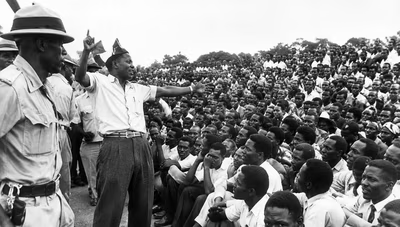
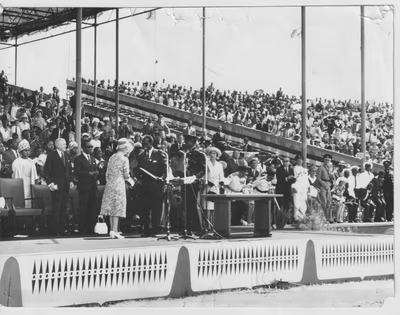
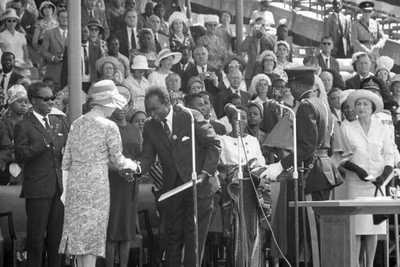
This is what the disappearance of history can look like: the gradual fading of once-monumental moments.
Yet, across the country, families, private collectors, photographers, artists and cultural organisations are working to resist this disappearance. They understand that preserving the past is not the sole responsibility of historians and museums.
Preserving the Country’s Musical Heritage
Vintage stores offer something hard to put a price on, something other retail stores can only give you a taste of: memory.
In Lusaka, Time Machine Zambia has made a business out of this fascination with the past. Founded by Duncan Sodala, a Zambian musician popularly known as Holstar, the store deals in vinyl records, comic books, figurines and other vintage items. In a 2021 profile by Lusaka Star, Sodala described his desire to build a business around his passion for music, books and vintage objects.
The appeal is, of course, about more than nostalgia. An old record is a physical object from its time. The sleeve, label, artwork and credits can reveal details about the musicians involved, the companies that issued it and the visual culture of the period.
How Zamrock Records Keep Zambia’s Music History Alive
This is of particular significance in relation to Zamrock, the psychedelic rock genre that emerged in Zambia in the 1970s. Bands such as WITCH were instrumental in forging a distinct sound that blended international rock influences with a strong local flavour. With growing international interest in Zamrock, original records have become highly sought after by collectors.
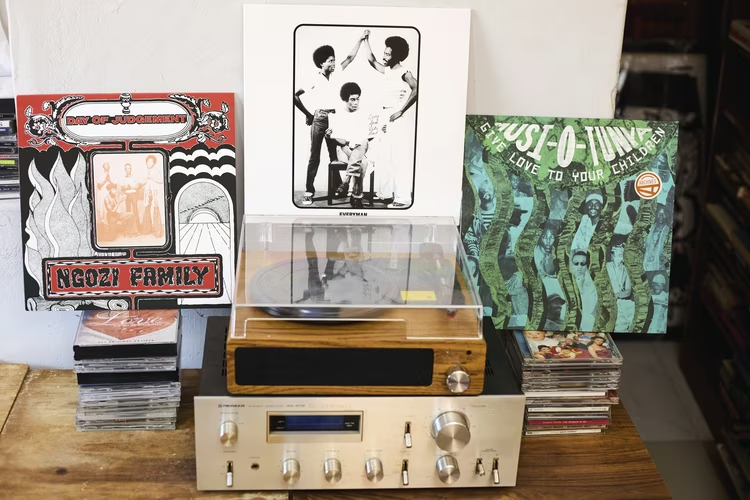
Time Machine Zambia is in a rather interesting position in that it is both a commercial enterprise and a vehicle for cultural preservation. Records are sold, traded and collected but the very fact that they are in circulation ensures that older music is still accessible to new audiences. The past is something that people can actually experience rather than just read about.
Preserving Zambia’s Photographic History
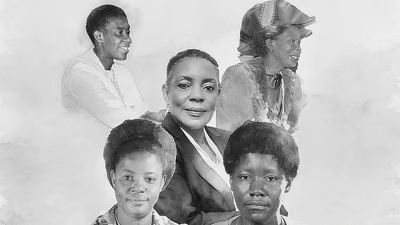
If vinyl records are the sound of an era, photographs are its faces. Long before smartphones made photography accessible to almost everyone, commercial studios provided families with a way to document their weddings, achievements, children and all the little things that made up their lives.
Some of those photographs have become genuinely valuable historical records even though that was not the original intention at all.
A good example is Fine Art Studios, which Indian-Gujarati photographer Prabhubhai Vilas established in Lusaka in the 1950s. The studio photographed ordinary Black Zambians at a time when colonial racial structures influenced access to commercial portrait photography. The surviving images include workers, couples and children, as well as prominent figures such as independence activist Edward Mukuka Nkoloso.
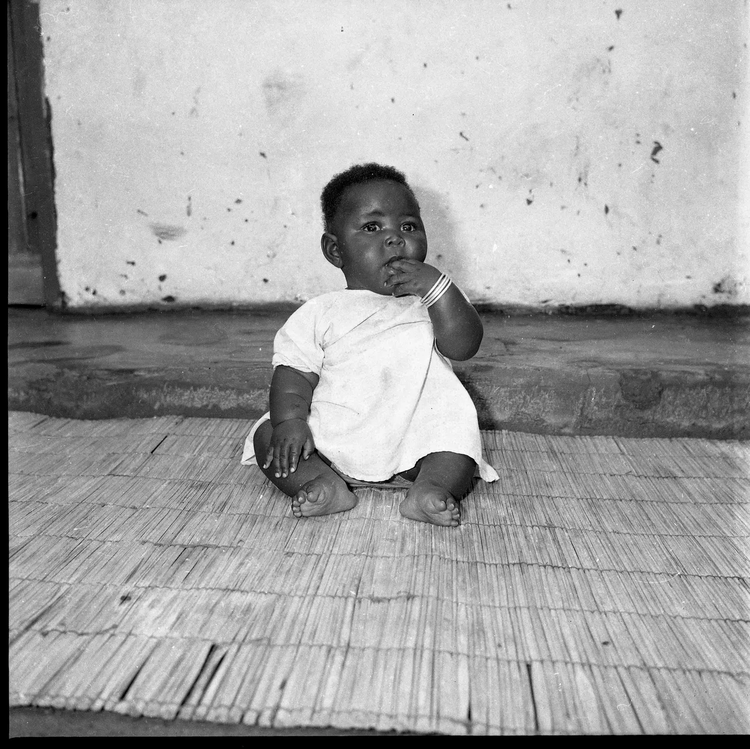
These photographs are more than a record of changing hairstyles and fashions. They show how people presented themselves, how families marked important occasions in their lives and how Zambians occupied space in a society shaped by racial inequality.
How Family Photographs Preserve Zambia’s Stories
The work of artist Maingaila Muvundika provides yet another lens through which to view the family album. His exhibition, Mwaiseni Mukwai (The Family Album), at Everyday Lusaka Gallery was a meditation on the family photograph as both a personal and political document. The exhibition foregrounded the physical condition of the photographs, including their wear, discolouration and damage. It explored how Black Zambian families use family photographs to construct their identities and sense of self.
Makishi Masks and Chokwe Ancestral Knowledge
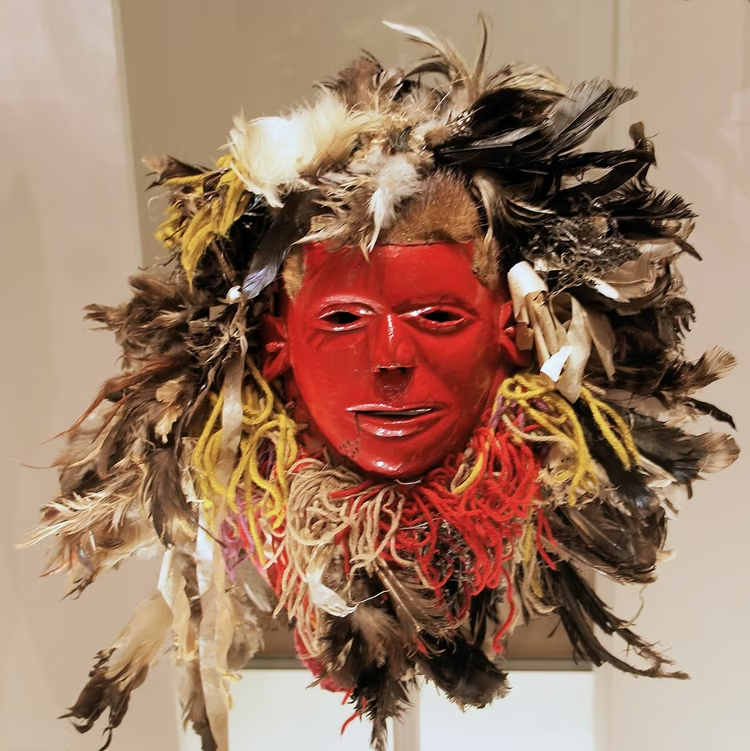
Traditional artefacts can also hold knowledge that written records cannot fully capture. In a 2024 article published by Zambia’s Women’s History Museum, cultural heritage practitioner Samba Yonga explored the histories of Makishi masks and Chokwe ancestral knowledge tablets, which bear symbols used to transmit cultural knowledge. Her discussion focused on the issues that arise when such objects are removed from the communities and practices that give them meaning.
Preservation has to be about more than simply keeping objects in good condition. It also means recording their provenance, respecting the communities connected to them and ensuring that their histories remain accessible.
The Role of the National Archives of Zambia in Preserving History
Zambia also has a formal institution dedicated to this work. The National Archives of Zambia is responsible for the custody and preservation of public records, manuscripts, maps, pictorial material and other historical materials. Its mandate also includes facilitating lawful access to information.
A recording can preserve a song long after the first hearing has passed. A photograph can restore a face to a history that might otherwise have no record of it. An old object, if properly preserved and understood, can link generations who will never have met. Our responsibility is to make sure that when these objects survive, their stories survive with them.