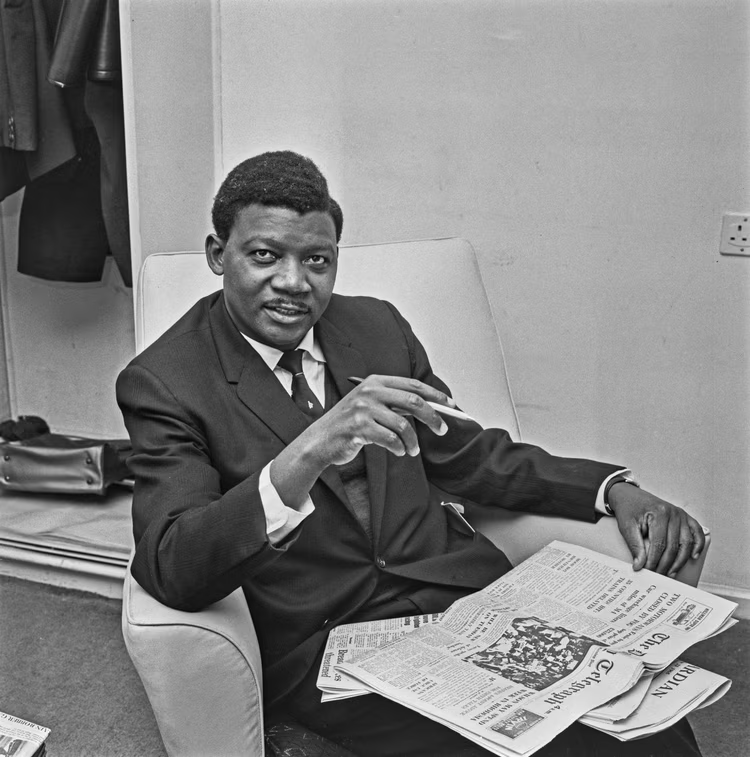
On 22 January 1977, Jason Ziyaphapha “JZ” Moyo, a senior leader of the Zimbabwe African People’s Union (ZAPU), received a parcel at the organisation’s offices in Lusaka. The parcel contained a book concealing an explosive device. When Moyo opened it, the bomb exploded, causing fatal injuries.
Why did Lusaka become a dangerous place for assassinations of liberation leaders?
A Haven Under Fire
Zambia was one of the main Frontline States under President Kenneth Kaunda. Lusaka became an important base for freedom movements fighting against colonial and white minority rule in Southern Africa. These included:
- ZAPU: which established its external headquarters in Lusaka in 1964.
- ZANU: whose leadership and operations were based in Lusaka during parts of the 1960s and 1970s.
- African National Congress (ANC): which established an important operational base in Lusaka.
- SWAPO: which also maintained a presence in Zambia during the liberation struggle.
Due to the large number of organisations based in Lusaka, the city became an important target for intelligence gathering by Rhodesian and South African security agencies. These agencies sought to monitor and disrupt the activities of liberation movements operating from the city.
Herbert Chitepo Assassination (1975)
On 18 March 1975, just under two years before JZ Moyo’s assassination, Herbert Chitepo, the National Chairman of the Zimbabwe African National Union (ZANU), was assassinated. His car exploded at around 8.05 am outside his home in Lusaka.
The car was a pale blue Volkswagen Beetle parked outside his house in Chilenje South. The blast also caused damage to the surrounding area.
The Special International Commission on the Assassination of Herbert Chitepo, set up by President Kenneth Kaunda, investigated the circumstances surrounding his death. Its report placed responsibility on internal divisions within ZANU. However, the ZANU leadership strongly disagreed with the findings and argued that the assassination had been planned by Rhodesian security forces. To this day, there are conflicting arguments about whether the assassination resulted from internal divisions or secret operations by the Rhodesian Central Intelligence Organisation (CIO).
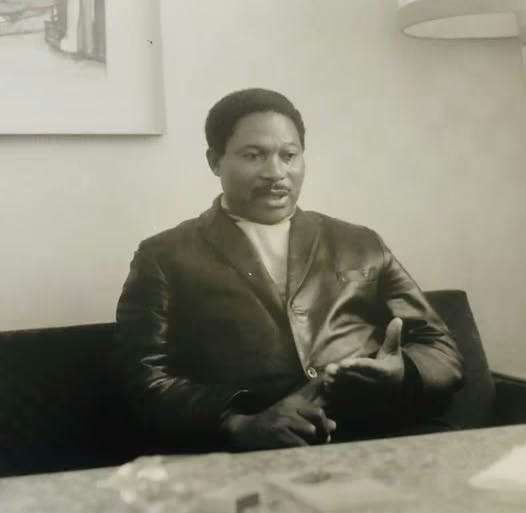
JZ Moyo Assassination (1977)
Moyo’s assassination on 22 January 1977 showed the threat posed by covert operations against liberation leaders living in exile. Later accounts have attributed the killing to Rhodesian operatives, although the precise details of the operation remain uncertain.
Some accounts state that operatives intercepted a parcel Moyo was expecting and replaced its contents with an explosive device. However, accounts of how the parcel was prepared and delivered differ, and these details should be treated with caution.
The bomb exploded when Moyo opened the parcel, causing fatal injuries.
A Widespread Target
This was not just a problem in Lusaka. Across Southern Africa, parcel and letter bombs were used to target exiled liberation activists and political figures.
- Eduardo Mondlane (1969) - The founder and first president of FRELIMO was killed by a parcel bomb in Dar es Salaam, Tanzania, on 3 February 1969. Responsibility for the assassination has been disputed, with allegations involving Portuguese intelligence and internal divisions within FRELIMO.
- Onkgopotse Abram Tiro (1974) - A leader of the South African Students’ Organisation (SASO) was killed by a parcel bomb in Botswana in February 1974. The South African Truth and Reconciliation Commission later said the available evidence pointed to the involvement of BOSS's Z-Squad, although it could not make a conclusive finding.
- John Dube (1974) - An African National Congress (ANC) member and founder member of Umkhonto we Sizwe (MK) was killed by a letter bomb in Zambia in February 1974. The South African Truth and Reconciliation Commission also examined the possible involvement of BOSS's Z-Squad in his assassination.
- Ruth First (1982) - A South African anti-apartheid academic and journalist was killed by a parcel bomb in her office at Eduardo Mondlane University in Maputo, Mozambique, on 17 August 1982. Former South African security police officer Craig Williamson later applied for amnesty for his role in the operation.
Why it is Difficult to Know the Truth
It is difficult to know the full story behind these events for several reasons:
- Incomplete records – Some intelligence and security records remain unavailable, making it difficult for historians to reconstruct the full details of covert operations.
- Disputed investigations – Investigations into political assassinations were often conducted in highly charged political environments, and their findings were sometimes challenged by the movements and governments involved.
- Restricted or redacted files – Some available archival documents contain redactions or incomplete information, limiting what researchers can establish.
- Diminishing first-hand accounts – As the people involved in the liberation struggles and covert operations grow older and pass away, opportunities to obtain first-hand accounts become more limited.
The internal divisions, security concerns and purges within some liberation movements also contributed to an atmosphere of suspicion and mistrust during the 1970s.
Impact of the Bombings
Although the assassinations did not halt the liberation movements, they exposed the risks faced by leaders operating in exile, even in countries that supported their struggles. The attacks also heightened security concerns and deepened mistrust within some movements.