Why KK Still Matters Today
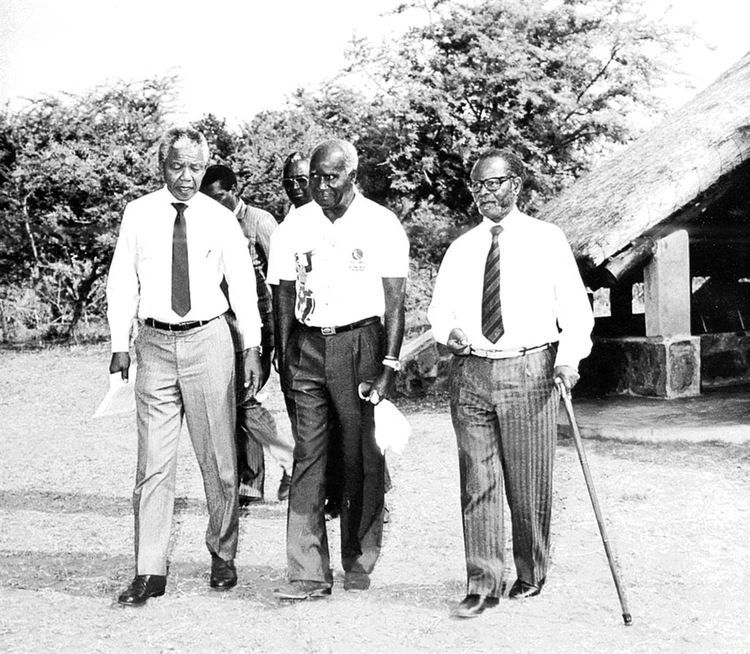
For many Zambians, Dr Kenneth Kaunda is a feeling, a voice and a standard that leaders are still measured against. He led Zambia to independence in 1964, but what people remember most is how he carried that responsibility with calm, conviction, and a deep belief in human dignity.
April 28th is Kenneth Kaunda Day, a public holiday dedicated to honouring the life and legacy of Dr Kenneth David Kaunda, the nation's first president and founding father. Established in 2021, it is a day of remembrance for his role in independence, fostering national unity and his contributions to the country's development. The day is about asking what kind of country we are building, and whether it reflects the values he stood for.
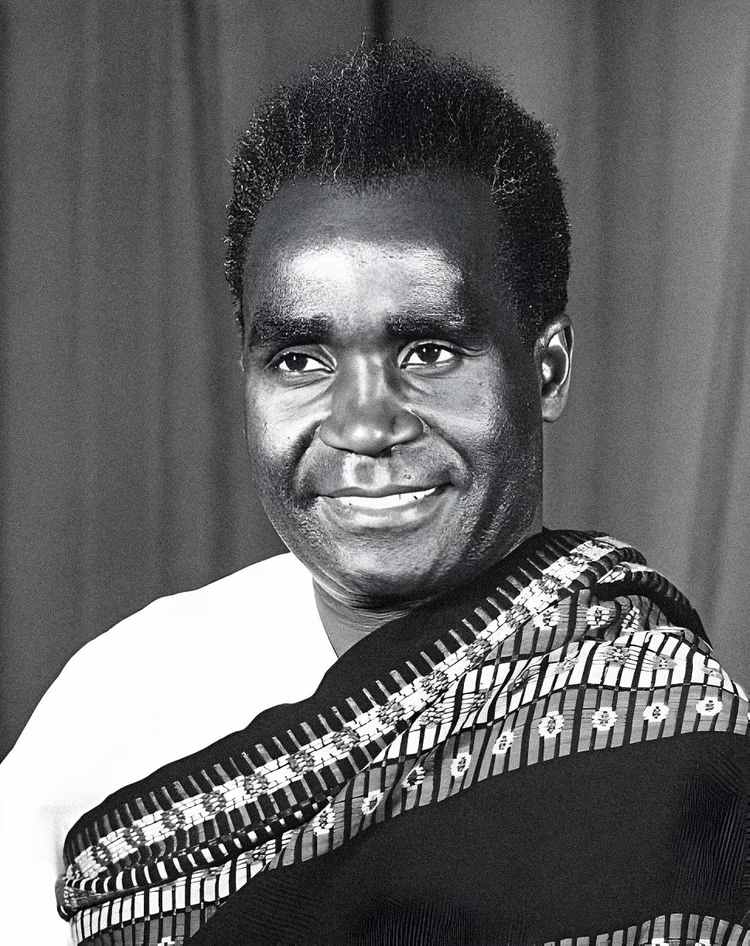
Things to Remember About Kenneth Kaunda (KK)
Zambia’s first Republican President
Before Zambia had a political identity of its own, there was uncertainty about what kind of country it would become. Dr Kenneth David Kaunda stepped into a space with no blueprint, guiding a brand-new nation from the State House while the rest of the country was still figuring itself out. It’s easy to forget how fragile that moment was, which is why this matters more than ever today.
Leading Zambia to Independence in 1964
Independence was a turning point that reshaped lives across Zambia. He stood at the centre of that shift, helping move Zambia from colonial rule to self-governance. That calm transition is something many countries still struggle to achieve, which makes it worth thinking about what made it possible.
Non-Violence Belief
At a time when many liberation struggles were defined by armed conflict, KK pushed for a different path. His approach influenced how Zambia handled tension internally, choosing restraint where others chose force.
Dialogue over Confrontation
Whether dealing with political opponents or regional conflicts, he leaned into conversation instead of escalation. This mindset helped Zambia remain relatively stable, even as neighbouring countries faced unrest.
Kaunda's White Handkerchief
That simple white handkerchief became one of the most recognisable symbols in Zambia, seen at rallies, on TV, even in old photos people still keep at home. It became part of how people connected to him, something familiar and human in a position that often feels distant. Sometimes, it’s the smallest details that make a leader unforgettable.
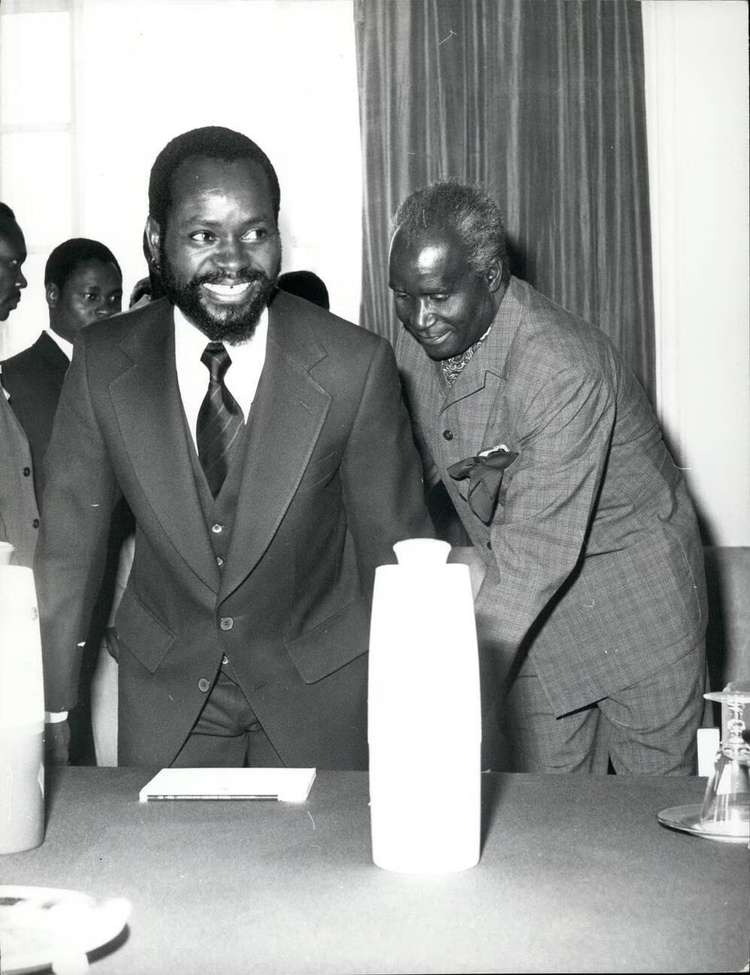
Zambians saw their President cry, laugh, and react in ways that felt real. In a culture where men, especially leaders, are often expected to appear unshaken, KK allowed himself to be seen as fully as possible.
Championing “One Zambia, One Nation”
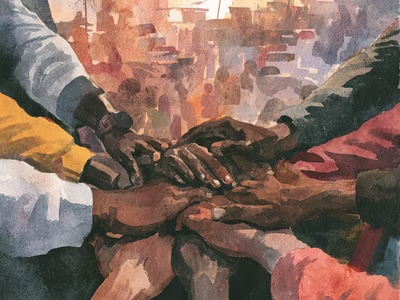
From school assemblies to government offices, this phrase became more than a slogan. Dr Kenneth David Kaunda pushed it as a daily practice, encouraging people to see beyond tribe and region at a time when division could have easily taken hold. Even now, when tensions rise, those words tend to resurface, and that says a lot.
Worked to Unite Over 70 Ethnic Groups
Zambia could have easily fractured along tribal lines after independence, as many countries did. Dr Kenneth Kaunda actively worked against that, promoting policies and messages that prioritised national identity over ethnic loyalty. The relative peace Zambia has enjoyed isn’t accidental, and this is a big reason why.
Supported Liberation Movements Across Africa
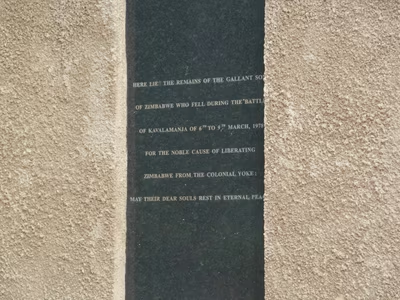
While Zambia was still developing, the president made the bold choice to support freedom fighters from countries like South Africa, Zimbabwe, and Namibia. Places like Lusaka became strategic hubs for resistance movements, even when it put Zambia at risk. It’s a reminder that his vision extended far beyond our borders.
Stood Firmly Against Apartheid
Zambia's founding father didn’t stay neutral when it came to injustice in the region. He used his voice and Zambia’s position to push back against apartheid, aligning the country with a broader fight for human dignity. That stance shaped how Zambia was seen globally and how it saw itself.
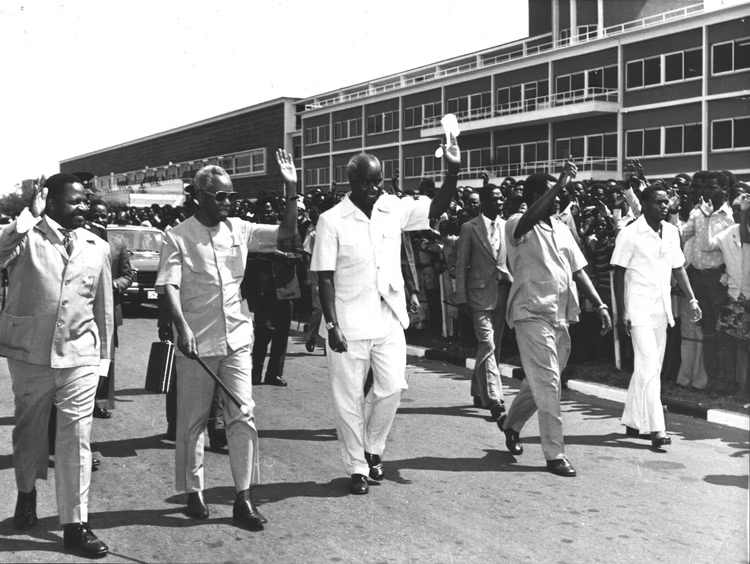
Why Zambians Still Miss KK
There was a steadiness about him, a sense that someone was thinking beyond the moment. In a time where leadership can feel loud and rushed, KK’s quiet conviction stands out even more.
People miss that calm, that clarity, the belief that Zambia could hold together, no matter the pressure.
The Man Behind the Legacy
Kenneth Kaunda was not perfect, as no leader is. But he believed in something, and he tried to live it out in public, where it mattered most. That is why people still speak his name with weight.
That is why, on KK Day, Zambia pauses.
And that is why he is still remembered, not just as the first President, but as a man who tried to hold a nation together when it mattered most.