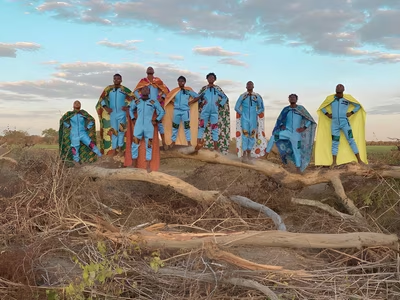
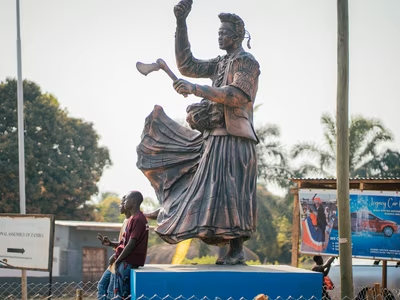
Spoiler Warning: This article discusses major plot developments and character arcs from The Polygamist. If you have not watched the series and wish to avoid spoilers, proceed with caution.
His father says, “A man who builds a big house must have many people to fill it.”
It sounds like the kind of statement that would draw laughter at a family gathering or nods of approval from an older generation. But after watching The Polygamist, the line lingers for a different reason. It captures the tension at the heart of the series: where does tradition end and where does personal irresponsibility begin?
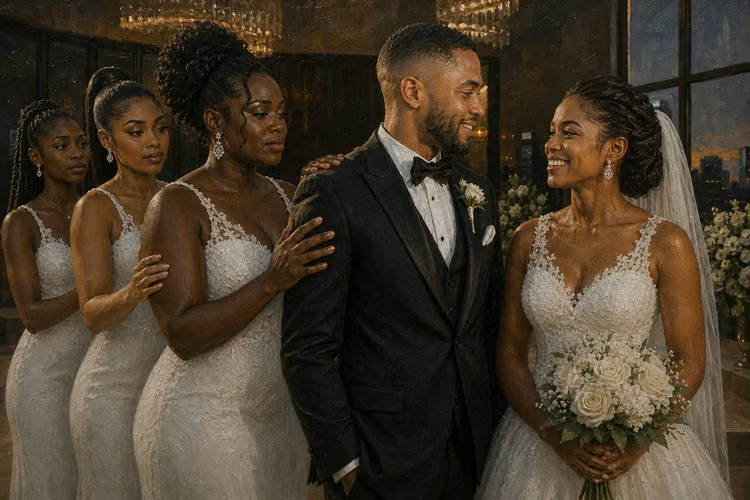
At first glance, The Polygamist appears to be a story about a successful man managing multiple relationships. Jonasi Gomora has what many would consider the markers of achievement: a thriving business, a respectable public image, a beautiful home, a loyal wife and the admiration of his peers. He looks like a man who has figured life out.
Then the cracks begin to show, and beneath those cracks lies a much bigger story than polygamy.
The Polygamist Is About More Than Polygamy
One of the most interesting things about the series is that it is not really about whether polygamy is right or wrong. The real subject is deception.
Traditional polygamous arrangements have existed across many African societies for generations. Whether one agrees with them or not, they are often governed by clear expectations, family involvement and community accountability. Everyone knew where they stood.
Jonasi's world is different.
He hides relationships, tells different versions of the truth to different women and uses culture as a shield whenever accountability approaches. The problem is that he has built his life on concealment while presenting himself as a respectable family man.
But the more I watched the series, the more I found myself asking a different question. Why do so many black television series and movie dramas keep returning to this same story?
Why African Stories Keep Returning to Women's Pain
Across the continent, from Hollywood, Nollywood to Zambia's growing television industry, there is a familiar emotional blueprint: a woman of colour sacrifices, a man disappoints her, and she endures.
The details of the shows change, sometimes it is infidelity, financial neglect, or emotional abuse, abandonment and betrayal.
Black television often builds its most compelling stories around female suffering. I’m assuming it's because these stories feel familiar. Many viewers recognise elements of their mothers, aunts, sisters, neighbours or even themselves in these characters.
The result is a strange paradox. Black women's suffering becomes both a social reality and a form of entertainment.
The Strength Trap
African women are often praised for being strong. Who would not want to be described as resilient, hardworking and capable? The problem emerges when strength becomes an expectation rather than a choice. Women are expected to forgive, endure, stay and carry emotional burdens that would break other people.
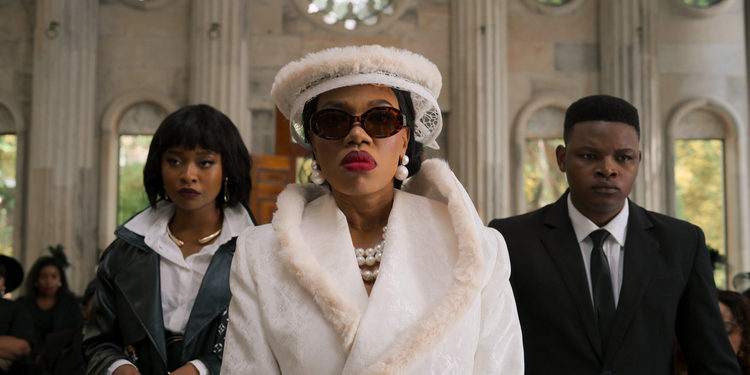
In many communities, the woman who remains in a difficult marriage is celebrated for her perseverance. The woman who leaves is sometimes questioned. Was she patient enough? Did she pray enough? Did she try hard enough to save the relationship?
This expectation quietly shapes countless lives. Joyce embodies this reality throughout much of The Polygamist. She sees warning signs and senses something is wrong. Yet she continues to hold the household together because that is what she has been taught a good wife does.
What Men Get Away With
One uncomfortable truth sits at the centre of the series: men and women are rarely judged by the same standards. A man who maintains multiple relationships may be described as complicated, while a woman who does the same would face far harsher judgment.
A man may be forgiven because he provides financially, because he is respected, successful, charming and many people's favourite, "that's just how men are."
The list of excuses can be endless.
Meanwhile, women are often expected to absorb the consequences of humiliation, emotional labour and the responsibility of keeping families functional when everyone else is falling apart.
This imbalance is not unique to Zambia. It appears across cultures, religions and economic classes. What the Polygamist does particularly well is expose how easily power can disguise itself as tradition.
Polygamy in Zambia: Culture, Law and Reality
The discussion becomes more complicated when we move from television to real life.
Under customary law, polygamous marriages are recognised in Zambia. They remain part of many communities and continue to exist in both rural and urban settings. The reality, however, is often far more complex than public discussions suggest.
Supporters of traditional polygamy frequently point out that the practice was historically governed by rules, responsibilities and obligations. It was not simply about a man's desires. It carried expectations regarding provision, transparency and family welfare.
The problems often begin when people adopt the appearance of tradition while ignoring its responsibilities. This is where Jonasi becomes significant, by selectively using culture whenever it benefits him.
What Healthy Tradition Looks Like
What should tradition actually do?
At its best, tradition provides structure, creates belonging, offers guidance and helps communities navigate life together.
Beyond The Polygamist
Perhaps the reason The Polygamist resonates so deeply is that viewers recognise entire systems. Women who carry households on their backs while receiving little in return, men whose behaviour is excused because they provide financially, marriages maintained for appearance rather than happiness, and most importantly, they recognise themselves.
The series works because it forces uncomfortable conversations about power, gender, responsibility, and the stories African societies continue telling themselves.
The real question is why Jonasi’s world feels so familiar, and perhaps an even more uncomfortable question remains: why do we keep consuming stories built on black women's pain while celebrating their ability to endure it?
Maybe endurance should not be the highest standard we set for African women. Maybe honesty, accountability and mutual respect should be.