Let’s Zamrock One More Time

This history has been reinvented and rebirthed in a multitude of ways. Rare original pressings of Zamrock records can sell for anything from US$500 to several thousand dollars, depending on the title and condition.

By Shammah Phiri •
Let’s Zamrock One More Time

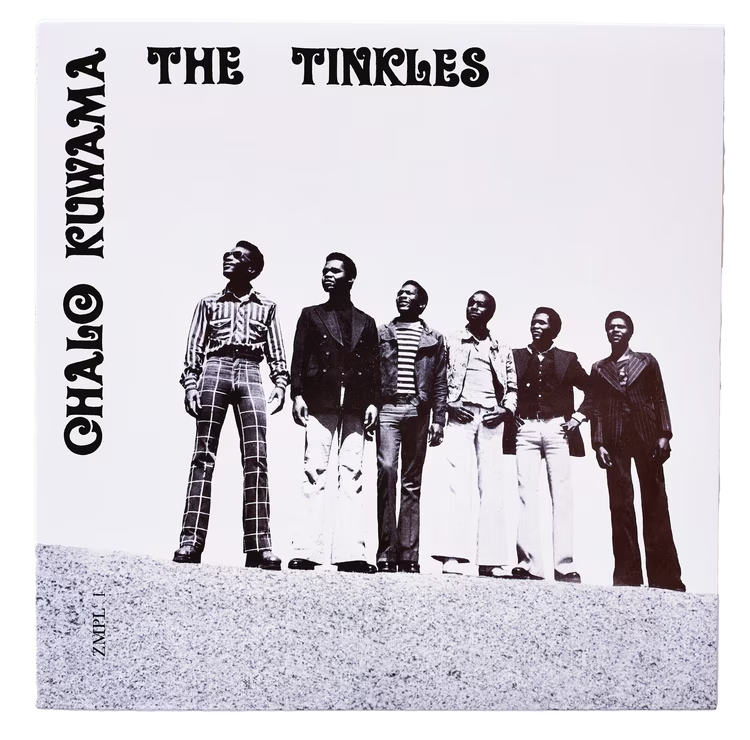
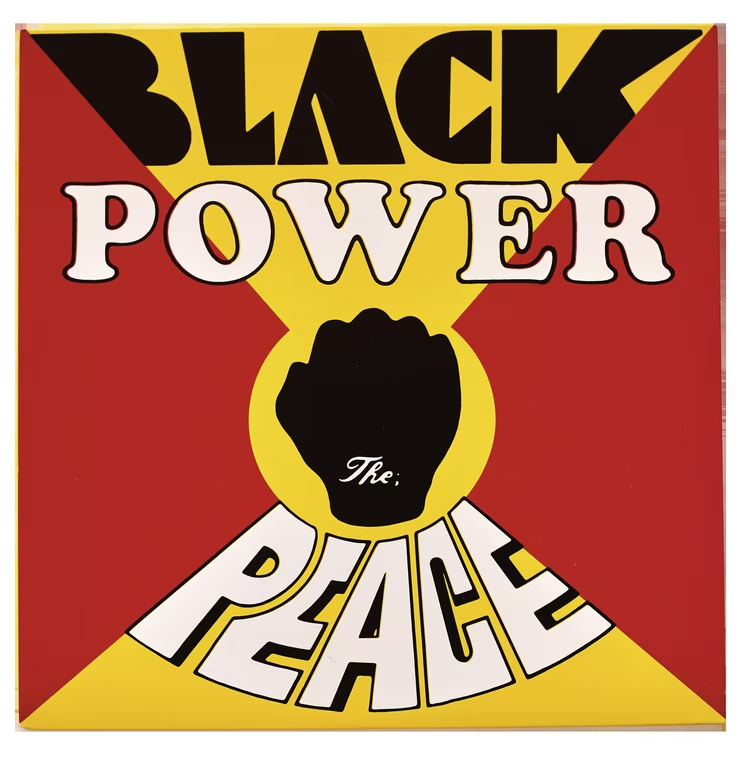
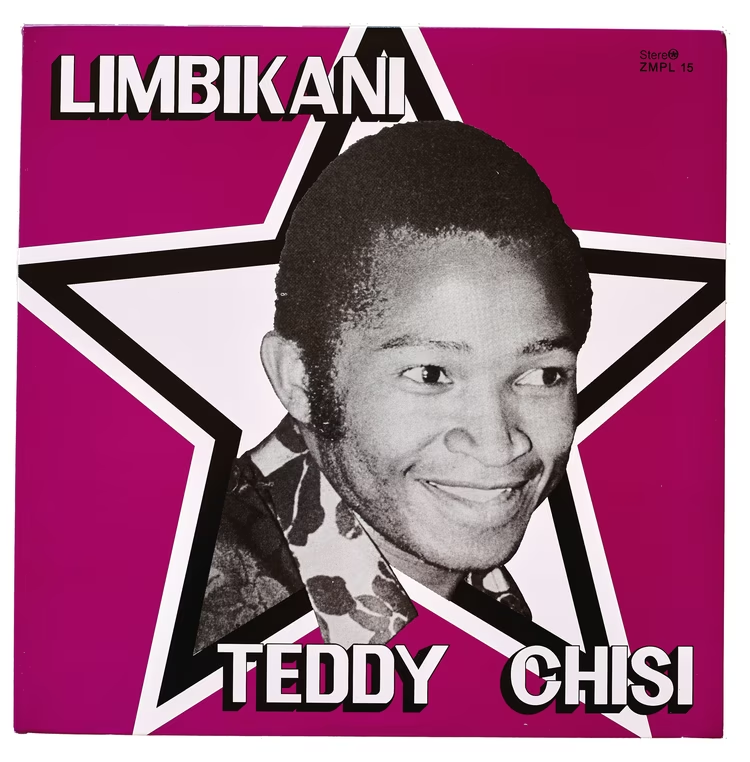
Nearly everyone knows the story and history of Zamrock: how it came to be as a necessity of the times, blending psychedelic rock with Zambian music to create a new sound that could be identified as Zambian; how Kaunda's local-music quota later secured airtime for Zambian music; and how its demise was a result of the HIV/AIDS crisis and a struggling economy, as fewer and fewer people bought vinyl records and artists could no longer make a living. That is the history of Zamrock that you can find anywhere. And it is thoroughly romanticised. This history has been reinvented and rebirthed in a multitude of ways. Rare original pressings of Zamrock records can sell for anything from US$500 to several thousand dollars, depending on the title and condition. You can still find a reissue with a reprinted cover locally, if you step into a Time Machine.
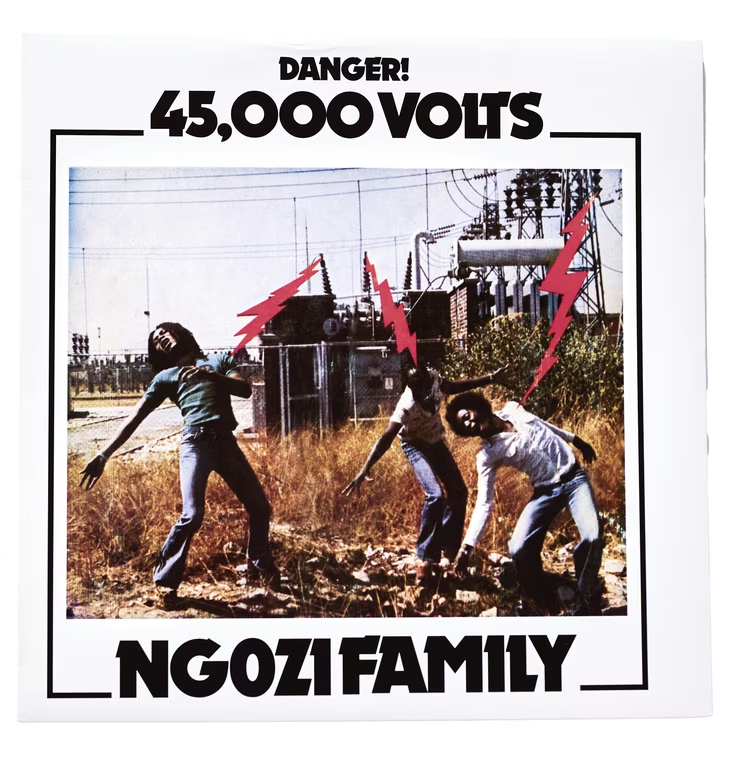
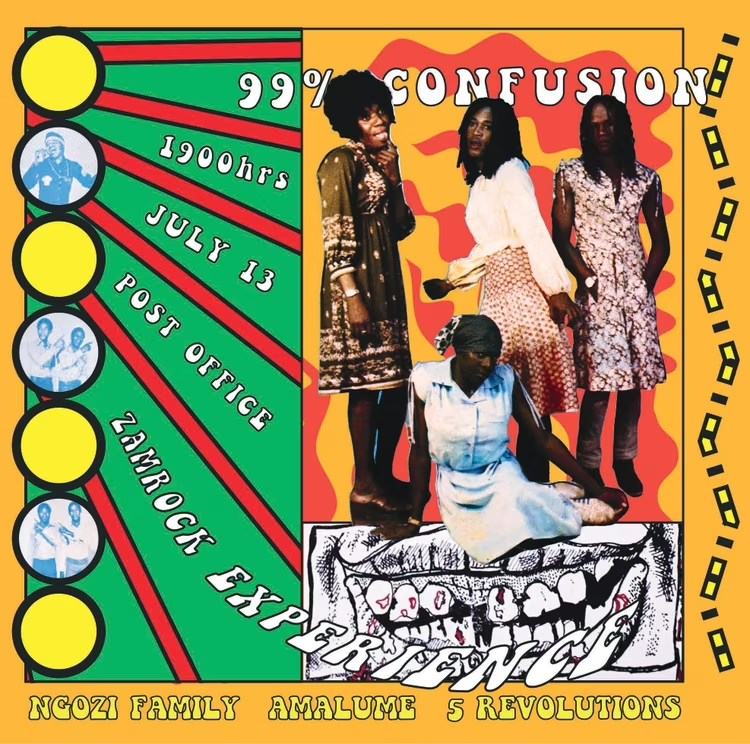
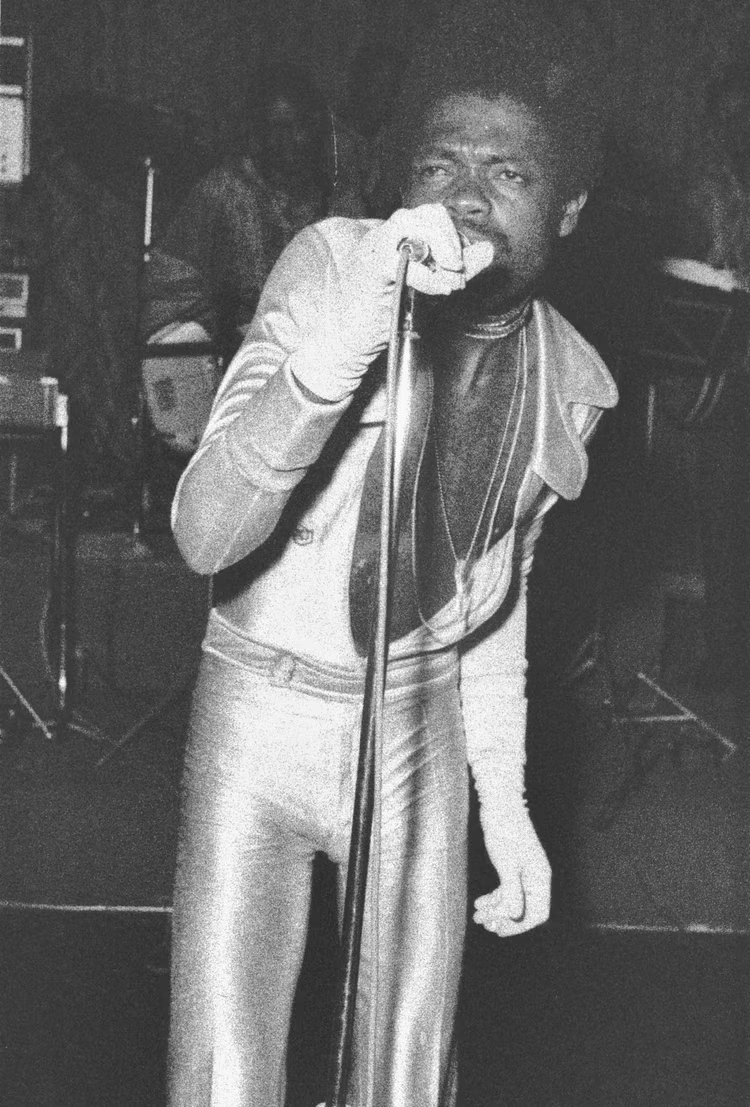
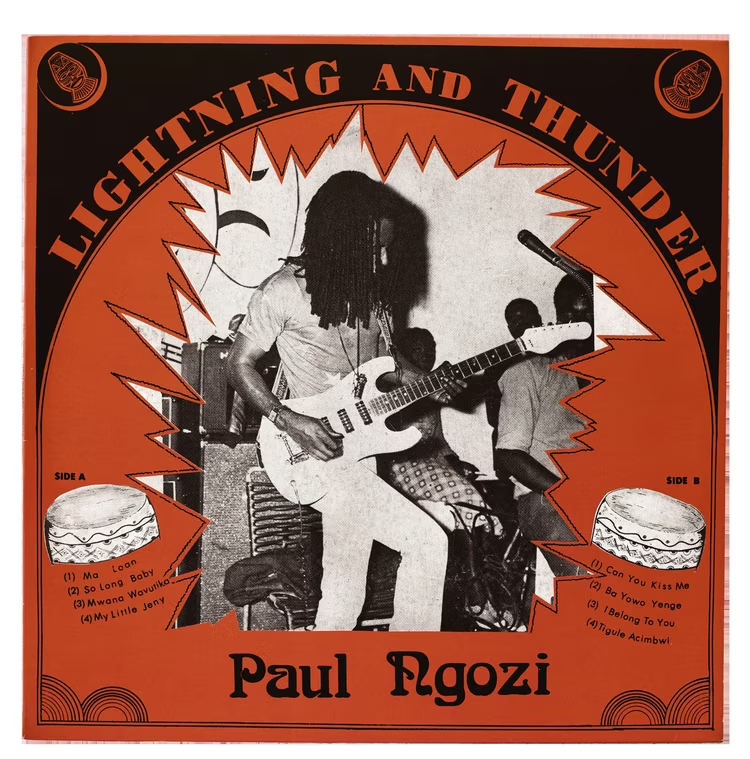
In Duncan’s opinion, no one embodied the rock star archetype in Zambia quite like Paul Ngozi, whose raw sound captured the restless energy of Zambian youth and carried an aura reminiscent of Mick Jagger.

His swagger, distinctive dress sense, taste for fast cars and larger-than-life public image set him further apart.

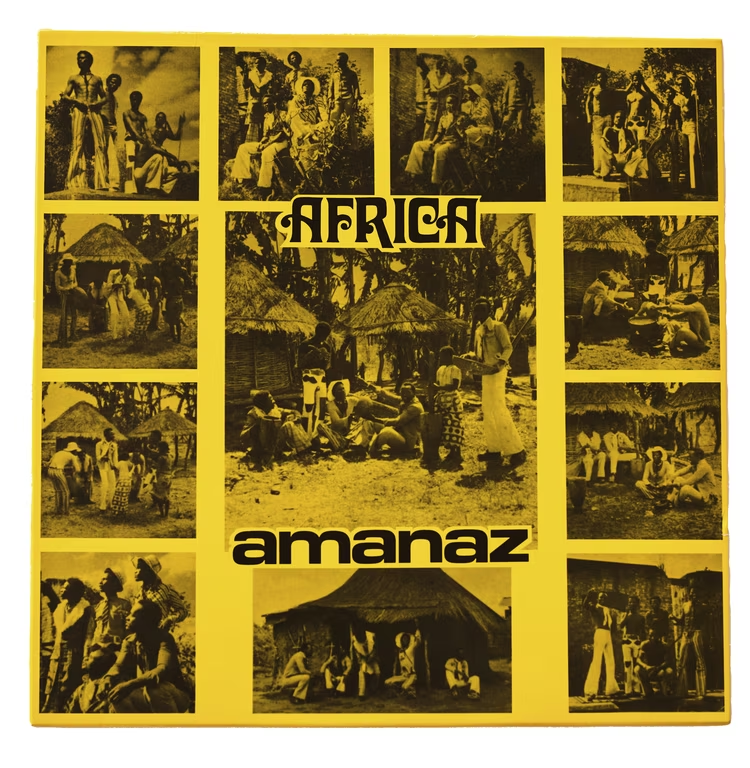
The scratchy record player spins out a mournful voice, steady in its conviction and assertion, urging “Khala, my friend” to “come back to me”. I am familiar with the bright yellow cover that rests above the record player, itself an accessible replica from the East. The black-and-yellow halftone reveals a group of smart young men, dressed in the fashions of the day, their bodies strewn in different poses, each exuding a careless, relaxed confidence. Amanaz, it reads. I remember when my mother first told me about ‘Ask Me About Nice Artistes in Zambia’. She mentioned it in passing, a distant memory that I forgot to remember until I encountered it again in a tiny bright room surrounded by comic books, Zamrock records, a dusty shelf on which a column of Danielle Steel novels rested, and boxes on boxes of vinyl records in frayed sleeves from a time not too distant from my own, among which I recognise Prince, Vandross, and a few others, as I sit quietly, sheltered from the winter chill.
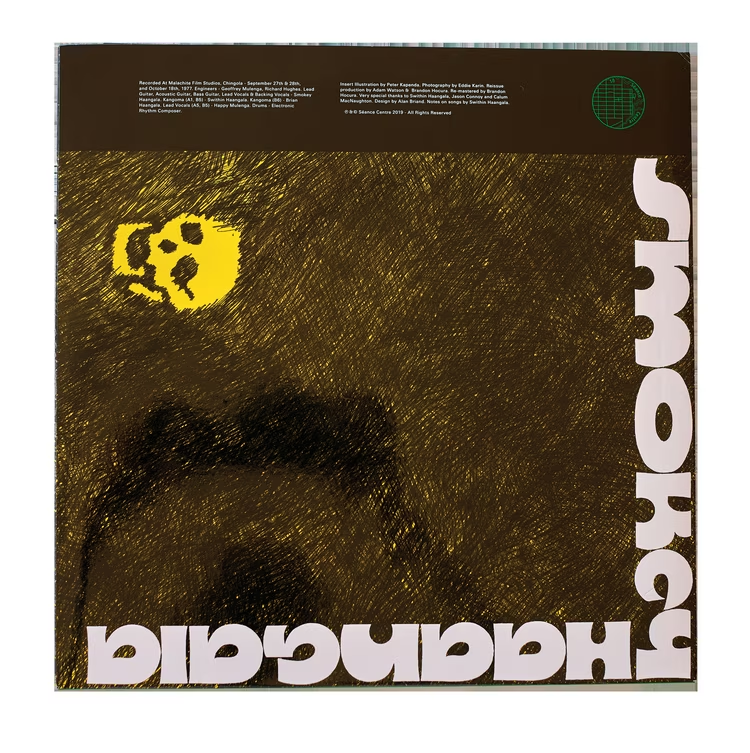
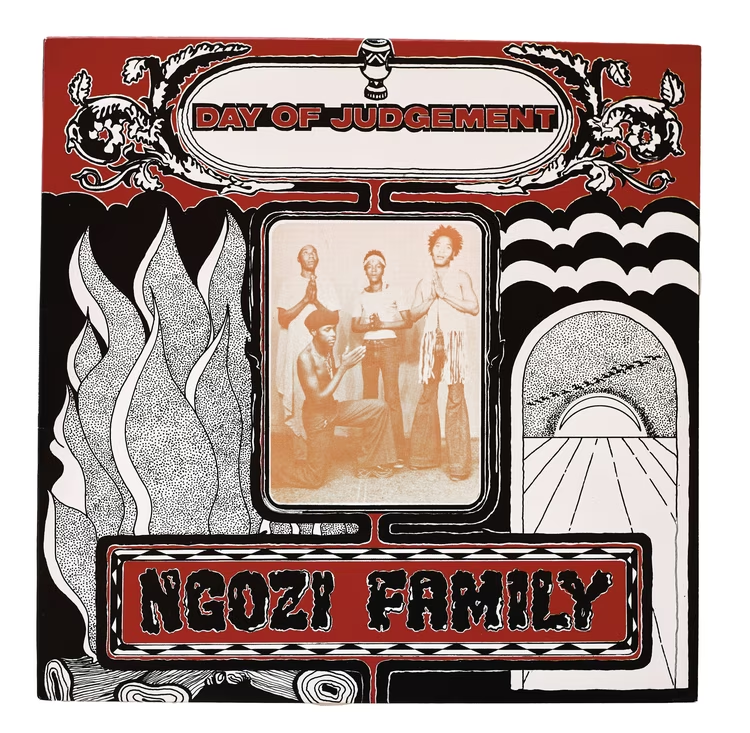
As leader of the Ngozi Family, he became one of Zamrock’s most prolific and influential figures.

Ngozi died in 1989, aged forty, reportedly from an AIDS-related illness.

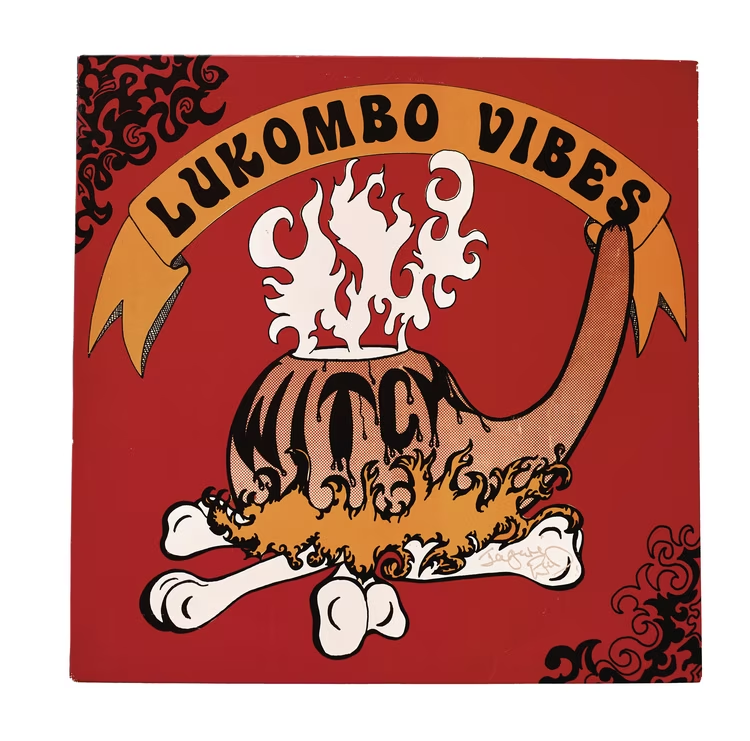
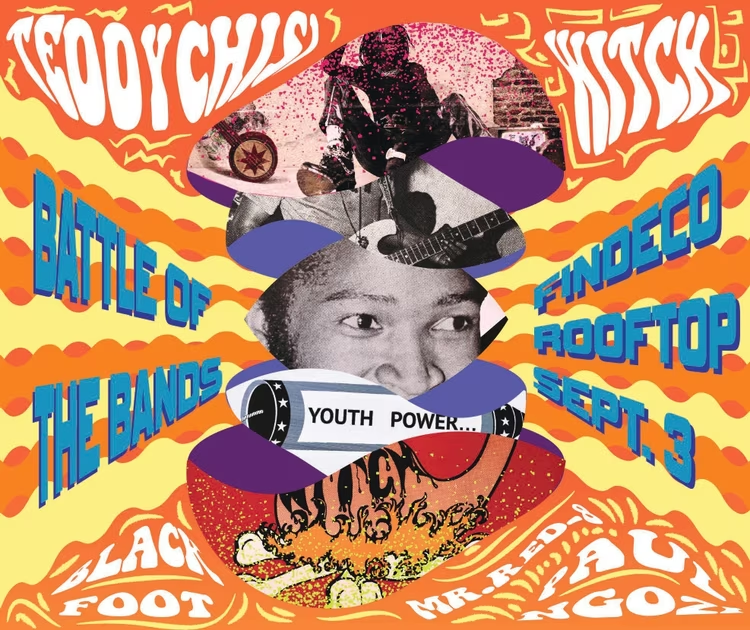
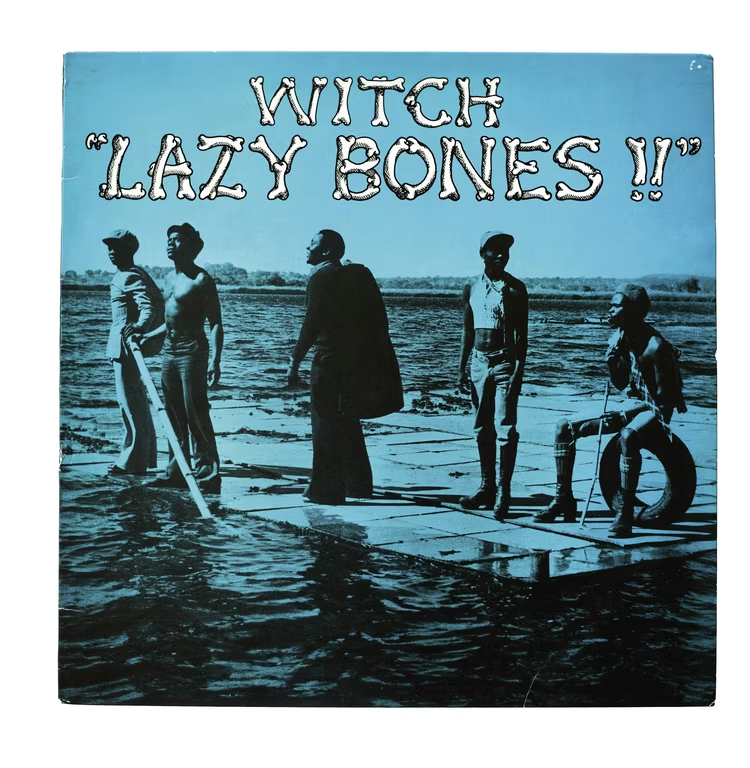
With no record-pressing plant in Zambia at the time, W.I.T.C.H., an acronym for We Intend To Cause Havoc, had their landmark 1972 debut, Introduction, pressed in Nairobi, Kenya.

Fronted by Emmanuel ‘Jagari’ Chanda, the band became one of Zamrock’s defining acts alongside Paul Ngozi and Amanaz, whose bright yellow album cover remains among the genre’s most recognisable images.

Reviving Zamrock should go beyond sampling and become something to be studied and preserved.

But combining Zamrock with other art forms creates a new genre, Nu-Zamrock, for example.

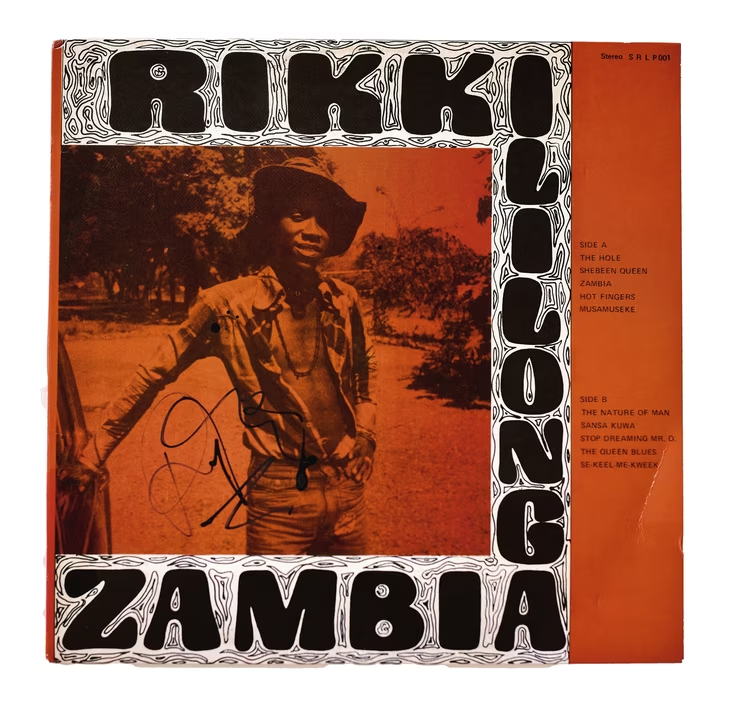
Duncan Sodala sits across from me, a man almost single-handedly finding Zamrock records and connecting them with avid fans and collectors. I have not driven to Chilanga to hear a regurgitated history of Zamrock, nor am I here to discover its various iterations through the newer W.I.T.C.H. (We Intend To Cause Havoc), Sampa the Great, or the Zamrock Museum—which, it turns out, is more of a residency hosted at an arts centre than a permanent museum. I am here in search of a feeling, and a way to put words to an image in my mind. Duncan is the closest straw I can grasp, and I hold on as tightly as I can. He is a retired rapper—going by the pseudonym Holstar—former debt collector, talent manager, and now he adds retrophile to his list of titles, as he searches far and wide for the last relics of Zamrock and matches them with collectors who understand the meaning of this bygone movement.
And for Zamrock to continue growing in the global music industry, it needs to sound like itself, not something else.

I have arrived without a script or a list of questions, so our conversation leads the way: we speak about his career, including his time managing the now-defunct Zone Fam, and about Zamrock culture bubbling beneath the surface in Europe and Canada and finding its way back home. Naturally, our conversation turns to Zamrock’s current revival. The obvious names are tossed around—Sampa the Great, W.I.T.C.H. back on tour—and then we begin dissecting what Zamrock truly is. And how does one ‘zamrock’? Duncan, himself a producer, and I brainstorm how Zambians can reclaim Zamrock, not just as a genre, but as a musical culture. Singing in Zambian languages, using Zambian chants, sampling Zamrock records and classic Zambian music, and mixing them with hip-hop and other genres seem like a start. But I argue that the result is still not an inherently Zambian music form. Hip-hop has its origins and culture in Black American forms of resistance and expression; it is a genre built on adaptability, metamorphosis, and eclecticism. Although it absorbs other influences, it retains the core cultural and artistic elements that make it recognisable. But combining Zamrock with other art forms creates a new genre, Nu-Zamrock, for example. What makes it decidedly Zambian? Is that still Zamrock?
Although it absorbs other influences, it retains the core cultural and artistic elements that make it recognisable.

Singing in Zambian languages, using Zambian chants, sampling Zamrock records and classic Zambian music, and mixing them with hip-hop and other genres seem like a start.

We ponder the issue further. Zamrock should remain pure, I finally say. Reviving Zamrock should go beyond sampling and become something to be studied and preserved. Diluting it with other genres undermines its identity. Zamrock is kalindula and rock at its core; kalindula has its own chords, beats, and timings, and this purity is what has given the genre its appeal outside Zambia. And for Zamrock to continue growing in the global music industry, it needs to sound like itself, not something else.
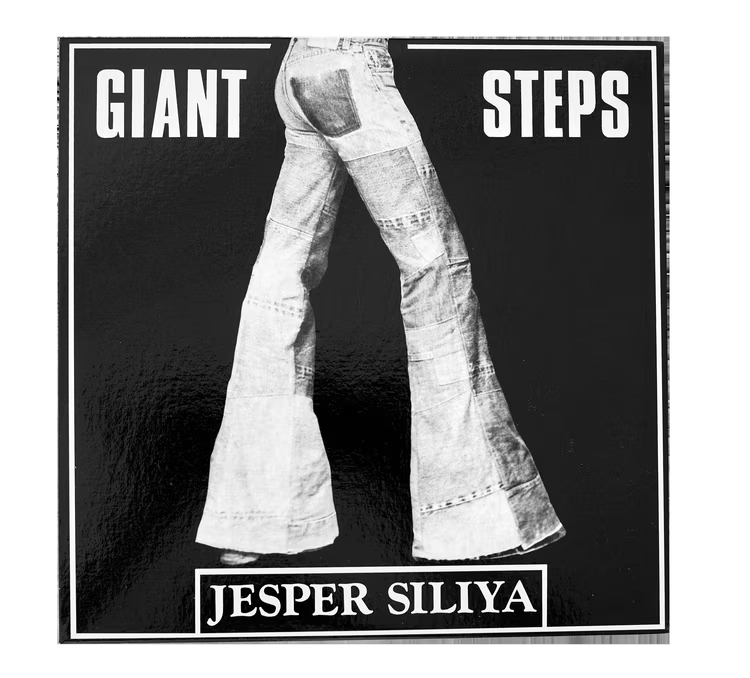
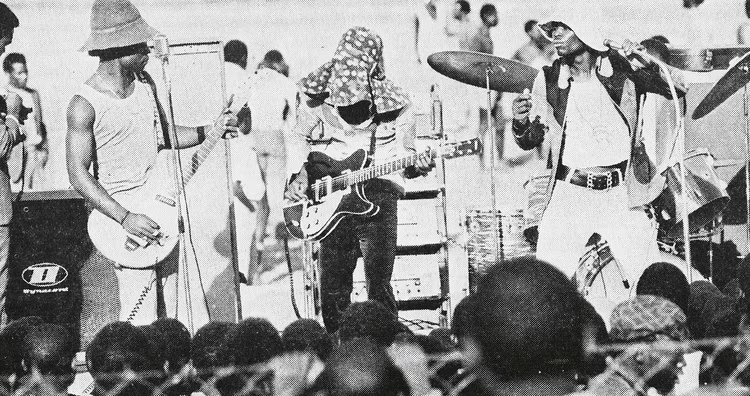
Amanaz starts to sound like a live Jimi Hendrix or Cream cover band, betraying no trace of the kalindula chords.

Kalindula borrowing from rock, rock wearing the blues, each borrowed, each changed, each becoming whatever it wants to be.
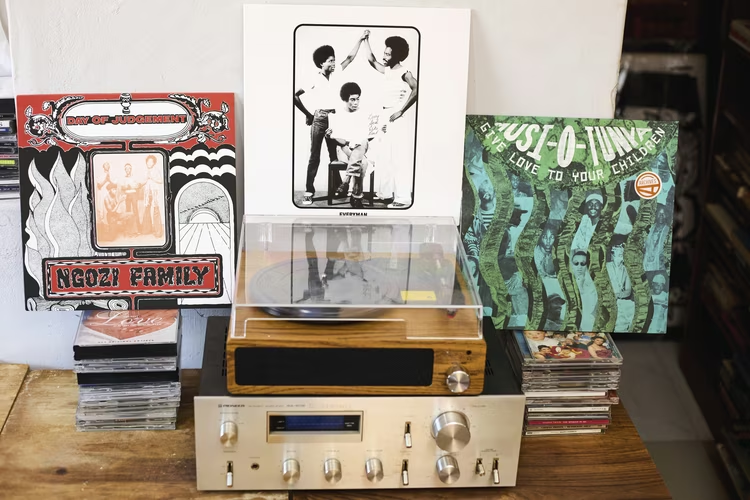

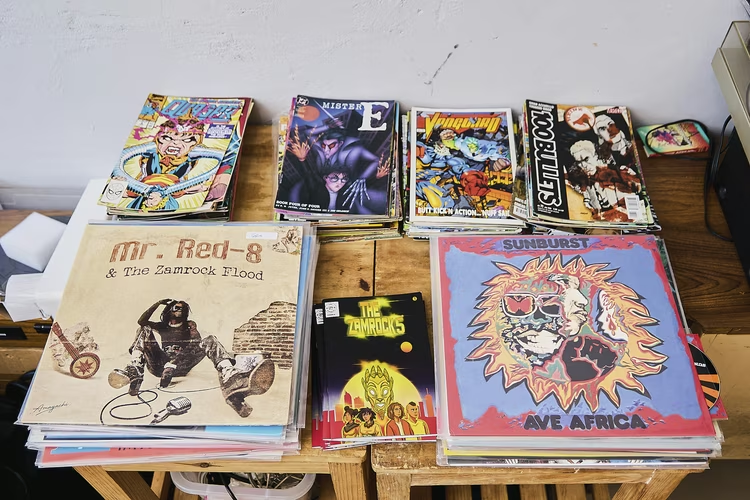
The scratchy record player spins out a mournful voice, steady in its conviction and assertion, urging “Khala, my friend” to “come back to me”.

Nearly everyone knows the story and history of Zamrock: how it came to be as a necessity of the times, blending psychedelic rock with Zambian music to create a new sound that could be identified as Zambian.

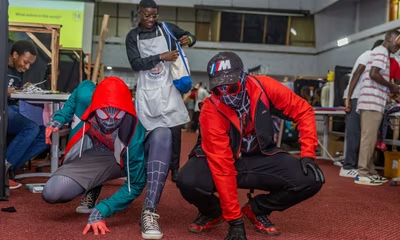
The Zamrock 5 comic grew out of Duncan’s love for Zamrock and a decade spent selling American comic books.

We have reached a consensus. I spend the drive home listening to Amanaz’s only album. I am amused by my own arguments because, at some point, Amanaz starts to sound like a live Jimi Hendrix or Cream cover band, betraying no trace of the kalindula chords and styles I just vehemently defended, almost as though the genre itself cannot resist becoming something else: kalindula borrowing from rock, rock wearing the blues, each borrowed, each changed, each becoming whatever it wants to be.

Set in an apocalyptic future in which Zamrock has vanished, it follows young people who discover the genre through a museum hologram and form a band.

Later issues will explore copper, resource benefits, and government power. Illustrated by Anthony Zaza, the first print run was limited to 100 copies.

Subscribe to our Newsletter

Stay informed. Stay inspired.

Type to search or try advanced search