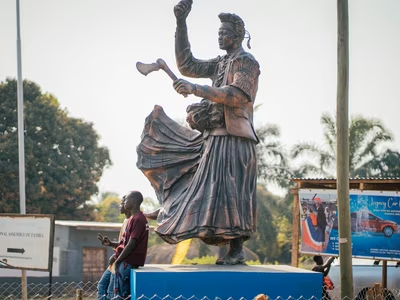
Pregnancy is one of the few experiences where medical advice, family wisdom, church teachings, and cultural traditions can all collide in the same conversation. In Zambia, an expectant mother may leave an antenatal clinic with one set of instructions and arrive home to another.
It is a season of excitement, but also one of uncertainty, when every ache calls for a Google search or an older relative with firm opinions about what should and should not be done. Across cultures, expectant mothers are surrounded by customs intended to protect both them and the child they carry.
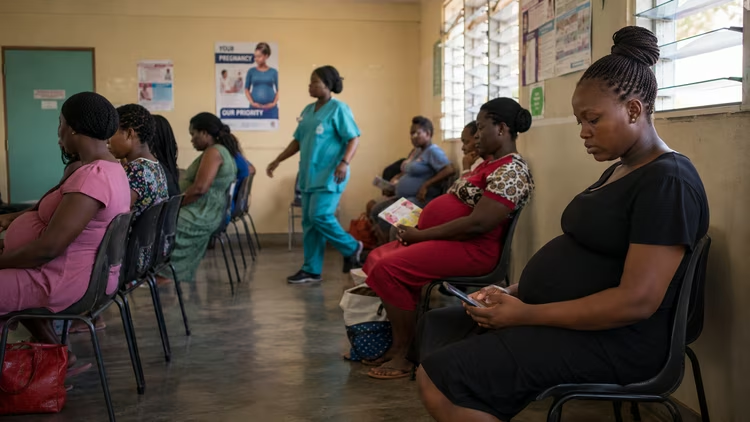
After spending the past few months training at Zambia's largest referral hospital alongside some of the country's most experienced obstetricians and gynaecologists, I found myself paying as much attention to those conversations as to the medicine itself. Before a woman has even sat down in the consulting room, she arrives having already absorbed a great deal of advice and belief from her surroundings.
Why Some Women Keep Pregnancies Secret
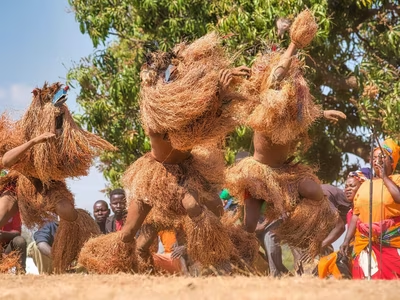
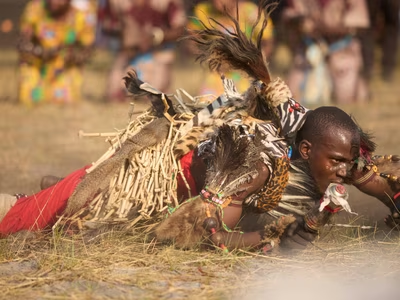
Zambia is home to more than seventy ethnic groups, each with its own traditions surrounding pregnancy and childbirth. The result is not one shared set of beliefs but dozens, overlapping in some places and contradicting each other in others. Many persist even today in Lusaka, in households where women have university degrees, smartphones and regular antenatal appointments.
Studies conducted across several countries have found that some women delay publicly disclosing pregnancies because of cultural concerns surrounding jealousy, witchcraft, or spiritual harm until the pregnancy becomes physically obvious. The reasons differ, but fears of jealousy, witchcraft and spiritual harm appear repeatedly in ethnographic work. I have met women who are nurses and prominent lawyers who will firmly admit they did not tell even close relatives until several months had passed. Within their understanding of risk, secrecy is not irrational but a form of protection.
From a clinical perspective, however, delayed disclosure can mean delayed antenatal care. Early screening for conditions such as anaemia, hypertension, syphilis and HIV saves lives. Sitting in those clinics, I have never had the impression that these women distrust medicine. If anything, they are trying to fit it into a much older framework of beliefs about what keeps a pregnancy safe.
Pregnancy Food Taboos Still Common Today
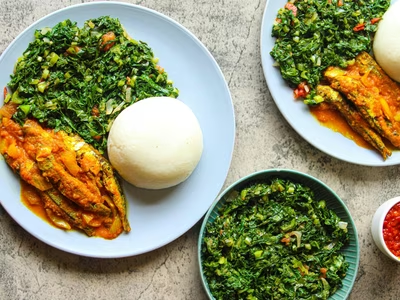
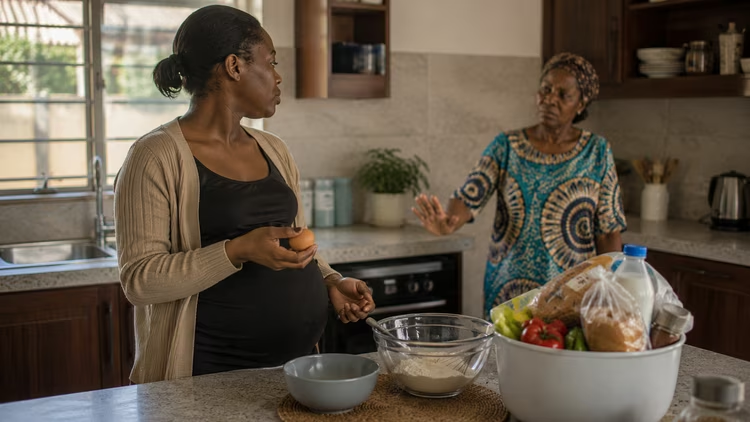
Foodis another place where inherited wisdom and medical evidence occasionally collide. Research from Chawama Health Centre in Lusaka documented dietary taboos that continue to circulate in antenatal clinics today. Eggs are among the most frequently mentioned. Depending on the family, women may be warned that eating eggs could result in a hairless baby, cause prolonged labour or make a child imitate the sounds of a hen. Sugar cane, offal and certain fish have attracted similar caution, although the explanations vary considerably between communities.
The irony is difficult to ignore. Eggs are an excellent source of protein and choline, both of which are essential for fetal development. Women who avoid them throughout pregnancy may miss nutrients they genuinely need. Sometimes traditional advice reaches the right conclusion through a different explanation. Alcohol, for example, is discouraged in some households because it is believed to cause difficult deliveries. The explanation differs from medical teaching, but avoiding alcohol during pregnancy remains entirely sound advice.
Researchers have documented traditions in parts of Zambia linking difficult labour to sexual infidelity by either partner. Historically, confession was sometimes believed necessary before labour could progress. These ideas carry troubling implications because they can discourage women from seeking urgent medical care when complications arise. Obstetric emergencies are physiologic, not moral, and delay can be deadly.
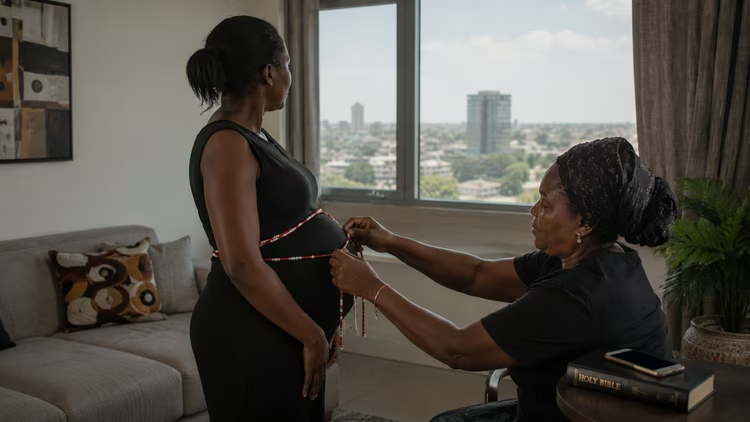
In many communities, pregnancy is considered a time of greater vulnerability, both physically and spiritually. A woman might wear protective waist beads, seek prayers from church leaders, or receive blessings from elders who assure her they will provide an extra layer of protection for mother and child. What strikes me most is how naturally these practices coexist.
In Zambia, most women identify as Christian while also holding beliefs about ancestral influence, witchcraft or supernatural harm. It often feels like a trifecta: religion, spirituality and a touch of medical advice. The three systems exist side by side, sometimes in tension but often without conflict at all. Consulting a traditional healer for protection before attending Sunday service and then reporting to an antenatal clinic for a blood pressure check may seem contradictory to an outsider. For many women, it is simply a comprehensive approach to risk management.
There are stories about avoiding funerals during pregnancy because places associated with death might expose an unborn child to harmful spiritual forces. Others describe warnings about cats or certain places after dark. Although there is limited scientific evidence supporting these fears, their persistence reflects the important role culture and inherited knowledge continue to play in many families. Zambia's cultural diversity makes broad generalisations difficult, and customs that are commonplace in one family may be absent in another.
How Women Navigate Competing Advice
The women I have met over the past few months are not choosing between science and tradition as though the two are opposites. They are constantly weighing advice from midwives, pastors, mothers-in-law, traditional healers and WhatsApp groups, deciding which parts fit their own lives and setting aside the rest.
For healthcare workers, the task is not to dismiss those beliefs with a wave of the hand. It is to understand the instinct behind them and explain, with patience, where evidence points in a different direction. The grandmother discouraging eggs is usually acting out of care, not ignorance. The woman who keeps her pregnancy secret is often trying to protect the child she desperately wants.
That is what stays with me after each clinic. Long after the blood tests have been filed away and the prescriptions written, the conversation continues outside the hospital gates, carried home between generations, where medicine becomes only one voice among many.