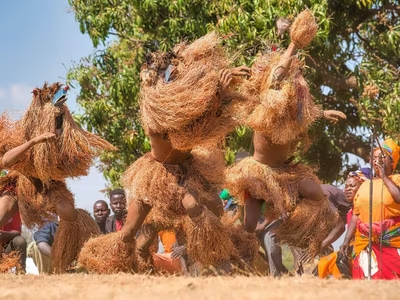
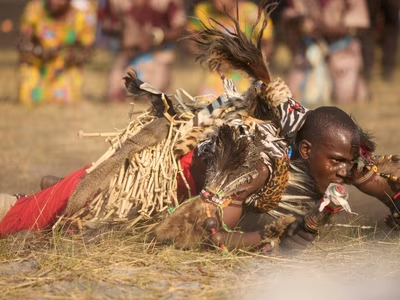
To many visitors, the Makishi appear as colourful masked dancers moving to the rhythm of drums. Yet behind the masks lies a world of ancestral spirits, secret teachings, and rites of passage that have shaped communities in northwestern Zambia for generations.
Origins and Cultural Significance
Among the tribes of northwestern Zambia, Makishi are considered ancestral spirits that come to life through masked performances during important ceremonies, particularly the Mukanda initiation of boys and the Likumbi Lya Mize festival. Makishi also appear at the enthronement of chiefs, highlighting their broader cultural role; the masquerade is not merely entertainment but a spiritual and social institution.
The Sacred Meaning Behind Makishi Masks
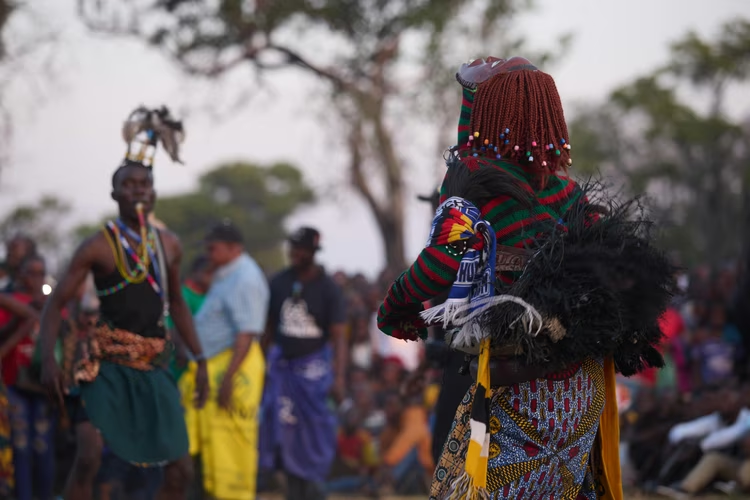
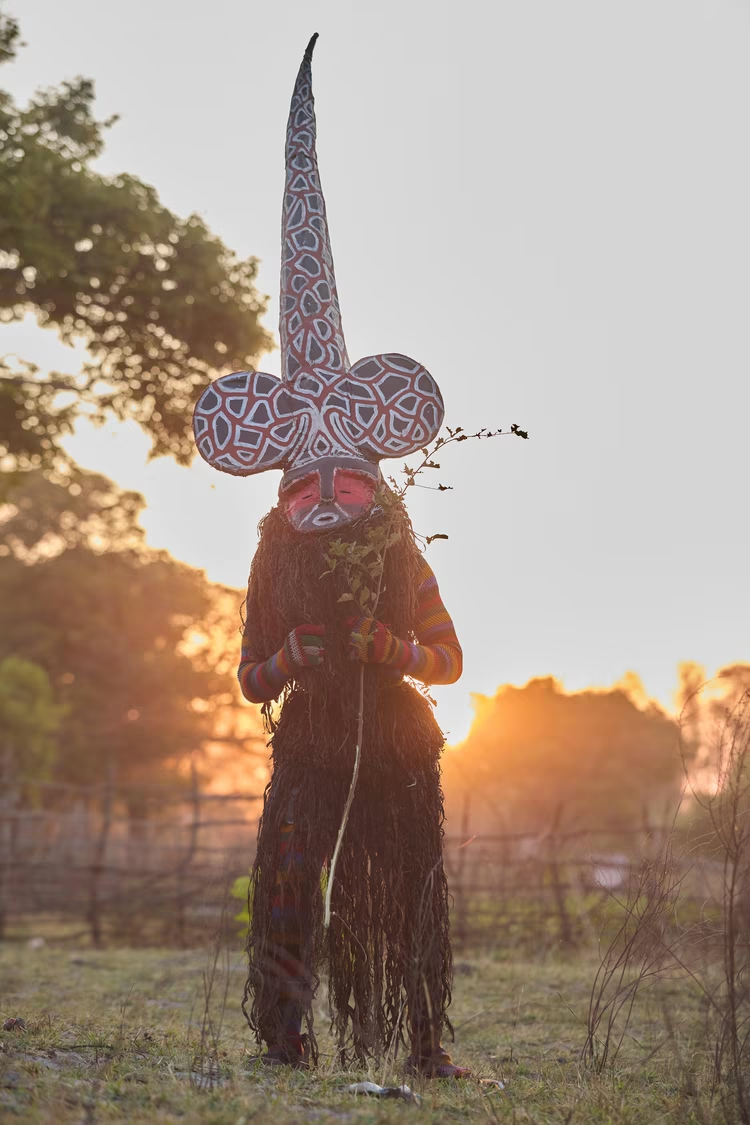
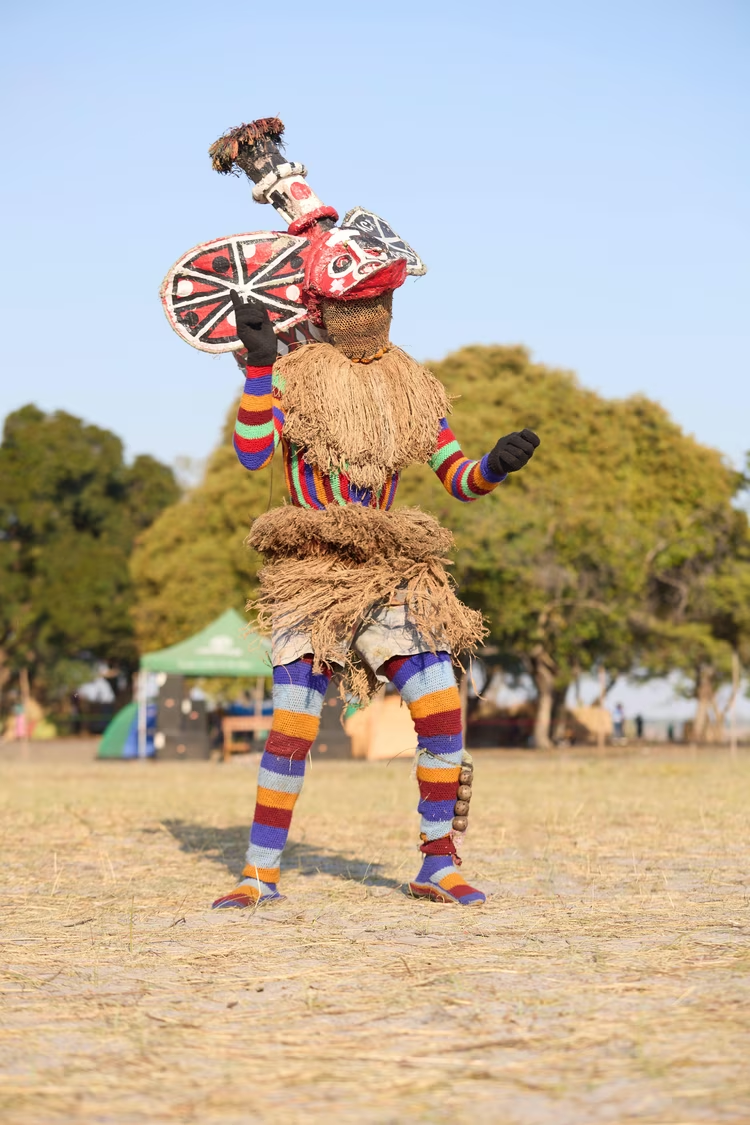
Makishi are characterised by elaborate masks and customised clothing, with each character having distinct physical, symbolic, and behavioural attributes. They are organised hierarchically, with different ranks reflecting their ritual importance. The masks are considered sacred, with the spirit of the ancestor only fully realised through the dancer’s performance, music, and vocal expression. These performances ensure that Makishi are experienced as living ancestral presences rather than mere objects.
Different Makishi characters appear during Mukanda ceremonies, each representing particular ancestral, moral, or social qualities. Some Makishi characters include Chizaluke, the symbol of wealth and spiritual influence; Mupala, the lord of Mukanda; Pwezo yo Likishi Lya mwana pwevo, the female figure representing the ideal woman; and the general Makishi, who are considered spirits of the deceased, who guide the initiates.
These figures are not just performers; they are embodiments of ancestral presence, shaping the moral and social fabric of the community.
Music is central to Makishi performances; the sounds produced by performers are key to the manifestation of the ancestral spirits, reinforcing the connection between the living community and their ancestors.
Likumbi Lya Mize
The Makishi appear during the Likumbi Lya Mize ceremony, held annually at the end of August, in a public celebration of tradition. During this festival, Makishi perform ancestral rituals, protect initiates, and educate the community about spiritual and social norms, making the event both visually appealing and culturally significant.
The Mukanda Initiation
Mukanda is a rigorous process where boys, aged roughly 8–12, are secluded in bush camps for weeks or months. They undergo circumcision, tests of endurance, and lessons in survival, sexuality, and community responsibility. The experience symbolises the death of childhood and the birth of disciplined adulthood. The Makishi are believed to be the embodiments of the spirits of ancestors who guide the initiates during their rite of passage.
Why Some Makishi Teachings Remain Secret
Public ceremonies, such as the Likumbi Lya Mize festival, showcase Makishi through dance and procession. Yet the deeper teachings, such as discipline, moral codes and spiritual custodianship, remain restricted to initiates and elders. Masks and costumes conceal the human form, reinforcing the belief that Makishi are spirits, not men.
Makishi functions as a system of social control and education. Initiates learn respect, endurance, and responsibility from elders through this cultural system. The masquerade ensures continuity of cultural identity from generation to generation.
Modern lifestyles have reshaped the practice of Mukanda, with school calendars leading to the shortening of the rite from several months to about one month. Commercialisation has led to Makishi dancers performing at rallies and social events, risking dilution of meaning and cultural significance. Although recognition by international bodies like UNESCO has brought visibility, it also challenges the preservation of authenticity.
Respecting Cultural Boundaries and Sacred Knowledge
Responsible storytelling requires restraint and respect; outsiders may witness public dances, but initiation teachings remain secret. The balance between what is made public and held in secrecy is of great importance. Local northwestern communities emphasise that Makishi are not mere entertainment but a profound system of education and ancestral guidance.
The Makishi tradition is far more than colourful masks, dances, and ceremonies; it is a protected culture, guarded by elders to ensure cultural continuity. These practices must be respected to honour the communities that sustain Makishi.