What Is Kuomboka and Why It Matters
Kuomboka, which means “to come out of water,” is the traditional ceremony of the Lozi people of Western Province that marks the Litunga’s movement from the flooded plains of Lealui in the rainy season to higher ground in Limulunga. This symbolic movement represents survival, history and deep culture.
The ceremony has been happening for centuries now, and it remains one of Zambia’s most recognised cultural events. If you are attending the Kuomboka ceremony this year, there are some things you need to understand about this living tradition.
Book your accommodation early as prices go up. It is one of those times where demand is high, and everyone knows it.
What Mongu Feels Like During Kuomboka Week
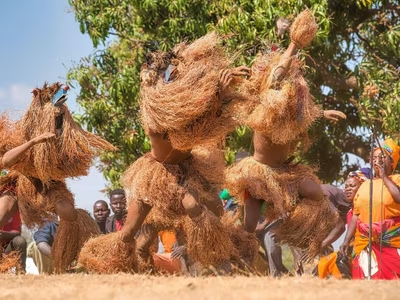
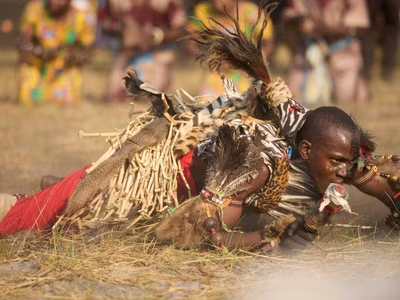
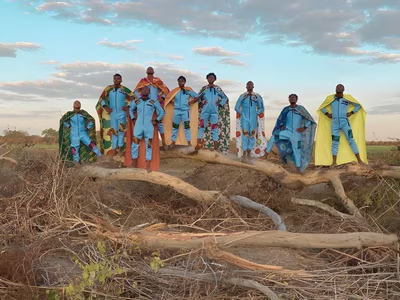
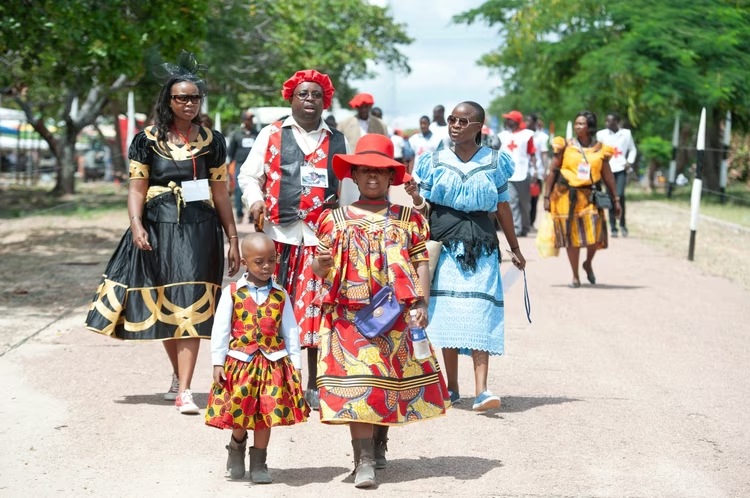
Mongu is usually a quiet town. During Kuomboka, there are more cars than usual, with actual traffic. You will also see likishi (masquerades) often, as this is part of the experience. Boats will be everywhere, heading towards the plains.
Men often wear red bonnets similar to those worn by Indunas. Women wear misisi, which are long traditional dresses. The attire reflects identity and respect for the ceremony.
Practical tip: Carry closed shoes as Western Province has Kalahari-like sand that's white but stains your feet black if you walk barefoot.
What Happens on the Day of Kuomboka
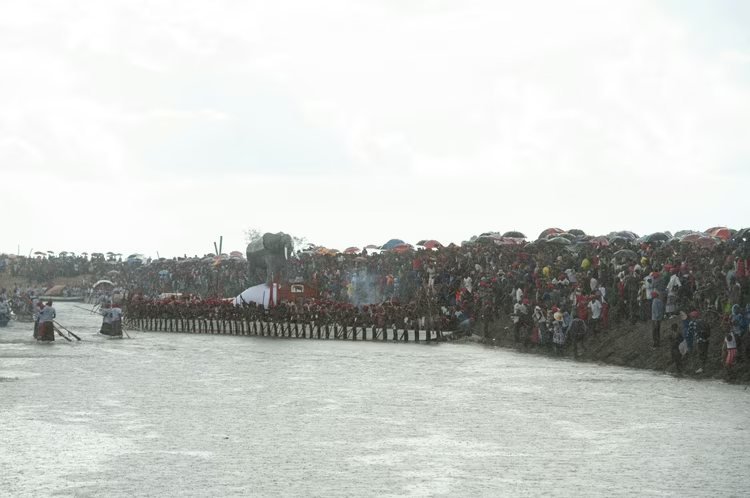
On the day, people wake up early to drive, cycle or walk all the way to Lealui as they wait for the Litunga to leave his palace for the Nalikwanda. Before the Litunga comes out, people enjoy the performances of cultural dancers and masquerades outside the palace.
There are areas around the palace that women are not allowed to cross. Guards enforce this strictly as there are strong beliefs attached to these spaces. Women are also not supposed to make direct eye contact with the Litunga. They are expected to bow their heads, especially when he is speaking. Follow what locals do. If you are unsure, observe first before acting.
When the Litunga comes out, people follow him towards the flood plains.
The Nalikwanda Explained
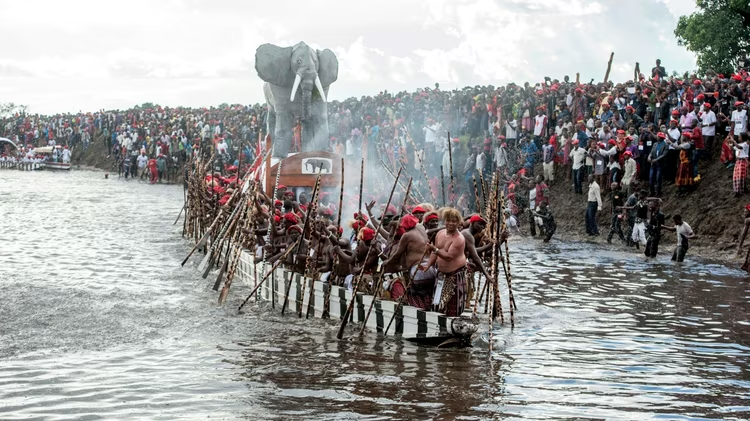
The Nalikwanda is the main royal barge. It is large, decorated with an elephant statue, and carries the Litunga. It is paddled by a group of strong, synchronised paddlers who move in rhythm. There are other boats too, like Litunga’s wife and daughters bought, another for his concubines, and another for his sons. Others carry Indunas and key figures.
If you want to have a close experience, you can pay local paddlers to take you along the route. Or you can head back to Mongu, rest, have lunch, and prepare for the next part in Limulunga.
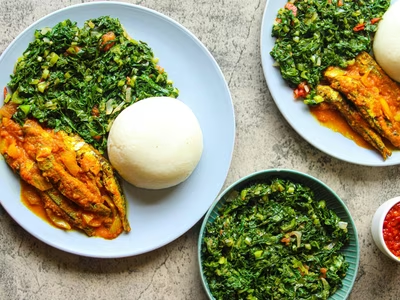
While you are there, try the locals' favourite, Buhobe waku fuzelela. It is mashed nhsima with sourmilk and sugar.
Arrival in Limulunga
When the boats reach Limulunga, things do not end quietly. The Nalikwanda moves in a back-and-forth motion on the water. It almost looks like it is dancing. Meanwhile, smaller boats begin to dock, and the Litunga and his Guest of Honour come out last.
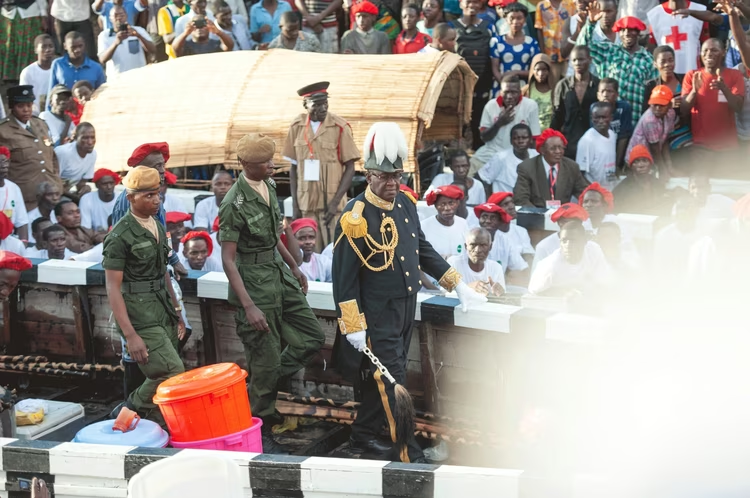
You might notice the Litunga changes attire during the ceremony. This represents a blend of traditional Lozi power and the historical diplomatic relationship with the British Monarchy.
Once seated, the Litunga speaks again. He thanks people for attending. After that, they proceed to the second palace, where a feast takes place.
Basic Lozi Phrases That Will Help You
You do not need to be fluent, but a few words go a long way.
● Hello: Lumela..
● How are you?: Mutozi cwani?
● Thank you: Ni tumezi.
● Where is the toilet?: Simbusu, si inzi kai?
Locals appreciate the effort.