What It Takes to Protect Zambia’s Wildlife
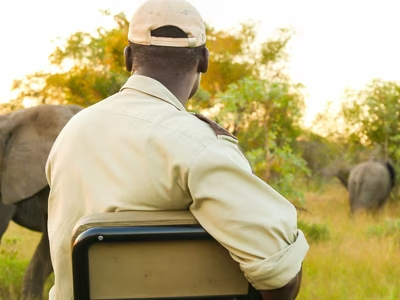
Before most visitors wake up to the sounds of Zambia’s national parks, game rangers may already be on patrol. Their work can involve tracking poachers, removing deadly snares, monitoring wildlife and protecting some of the country’s most important natural landscapes.
Unlike safari guides, whose work often centres on interpreting wildlife and guiding visitors through protected areas, game rangers are primarily responsible for wildlife protection, law enforcement and conservation. Their duties can include monitoring wildlife, conducting anti-poaching patrols, enforcing wildlife laws, maintaining park boundaries and infrastructure, and helping to manage invasive species.
The Department of National Parks and Wildlife (DNPW), which manages Zambia’s protected areas and wildlife, faces significant resource and capacity challenges. Yet rangers must continue to carry out their duties, often across vast and difficult terrain, to protect the country’s wildlife and natural heritage.
The Threats Facing Zambia’s Wildlife
Despite regular anti-poaching patrols, rangers may encounter poachers, ivory traffickers, people involved in the illegal bushmeat trade, illegal timber harvesting and illegal fishing. They also search for and remove snares, which can trap and injure both targeted and non-targeted animals.
Together, these activities can have devastating consequences for Zambia’s wildlife and ecosystems. Poaching can reduce animal populations and disrupt ecological balance, while illegal logging and other forms of environmental exploitation can contribute to habitat degradation and loss.
How Zambia’s Rangers Fight Poaching on Land, Water and from the Air
Wildlife protection can involve patrols on land and water, as well as aerial surveillance in areas where these resources are available. Boats can help authorities monitor illegal fishing, while aircraft may be used to identify suspicious activity, wildlife carcasses, fires and potential poaching camps.
On the ground, rangers and canine units may help detect and intercept illegally acquired wildlife products, including ivory, animal skins and bushmeat. Their work can also involve tracking suspects, monitoring wildlife movements and gathering information that supports anti-poaching operations.
When suspects are apprehended, they may be arrested and investigated before being prosecuted under Zambia’s wildlife and environmental laws, depending on the circumstances and available evidence.
Conservation efforts can also be weakened by challenges such as limited resources, gaps in training, corruption and weak accountability. This is why community participation and strong partnerships between government, conservation organisations and local communities are increasingly seen as important to wildlife protection.
Wildlife Conservation Organisations Supporting Zambia’s Rangers
Across Zambia, conservation organisations and park authorities are using technology, training and partnerships to strengthen wildlife protection. In and around Kafue National Park, conservation partners support ranger operations through initiatives that can include patrol technology, equipment and training.
Conservation Lower Zambezi (CLZ) has launched programmes aimed at creating more opportunities for women in wildlife protection while strengthening community involvement in conservation. Initiatives such as Kufadza demonstrate how expanding participation in conservation can help build stronger connections between wildlife protection and the communities living alongside protected areas.
Game Rangers International (GRI) also supports wildlife protection efforts through ranger training, equipment and welfare initiatives, working alongside government and community conservation partners.
Meanwhile, Conservation South Luangwa (CSL) engages communities through conservation-focused events and initiatives designed to raise awareness and encourage public participation in protecting wildlife. By bringing people together around a shared cause, such initiatives help demonstrate that conservation is not only the responsibility of rangers and organisations, but of the wider community as well.
How You Can Help Protect Zambia’s Wildlife
Protecting wildlife is a responsibility that extends beyond the people patrolling national parks and reserves. Members of the public can support conservation by volunteering with reputable organisations, donating to wildlife initiatives, sponsoring projects or participating in fundraising events.
Even small contributions can make a difference. Whether it is paying to take part in a conservation event, supporting an organisation working on the ground or simply learning more about the threats facing Zambia’s wildlife, public participation can help strengthen the wider conservation effort.
Zambia’s rangers may be among the first line of defence against poaching and wildlife crime, but they cannot protect the country’s natural heritage alone. From the people working on the ground to the communities living alongside wildlife and the members of the public who choose to support conservation, protecting Zambia’s wildlife is ultimately a shared responsibility.
Because when the stakes are this high, keeping watch over Zambia’s wildlife is more than just a job. It is a fight for the survival of some of the country’s most valuable natural treasures.