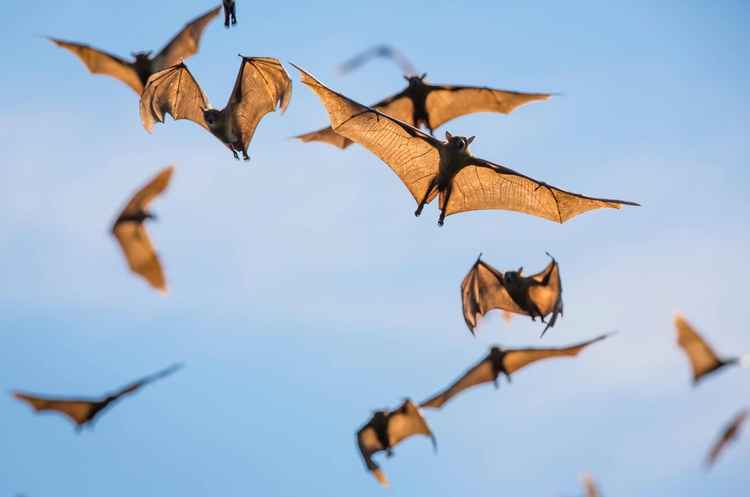
In Zambia's Kasanka National Park, that could mean waking up to birdsong, spending longer in the wilderness, searching for elusive wildlife and witnessing millions of fruit bats gather during one of Africa's most remarkable wildlife spectacles.
What Is Slow Travel?
What if the best way to see more of a destination was to stop rushing through it?
Unlike the fast-paced travel many people are familiar with—moving quickly from one attraction or holiday spot to the next—slow travel encourages travellers to spend more time experiencing fewer places. It is about taking the time to genuinely experience a trip and immerse yourself in everything around you: unfamiliar cultures, beautiful landscapes and the adventure of discovering a place at your own pace.
Slow travel is less about physically moving slowly and more about changing your mindset. Instead of trying to fit as many destinations as possible into one holiday, the idea is to stay longer, look closer and allow yourself to experience a place beyond its postcard moments.
In simple terms, it means spending more time in fewer places.
Why Kasanka National Park Is Perfect for Slow Travel
There are several places in Zambia where travellers can embrace slow travel, and Kasanka National Park is one of them.
One way to experience the park is to stay at its self-catering wilderness camps and give yourself more time to explore your surroundings. These scenic, quiet locations offer an opportunity to disconnect from a packed itinerary and immerse yourself in nature.
Kasanka is known for its diverse wildlife and rich birdlife. Depending on where and when you explore, you may encounter a variety of animals and birds while enjoying the slower rhythm of life in the wilderness.
Experience Kasanka's Bat Migration
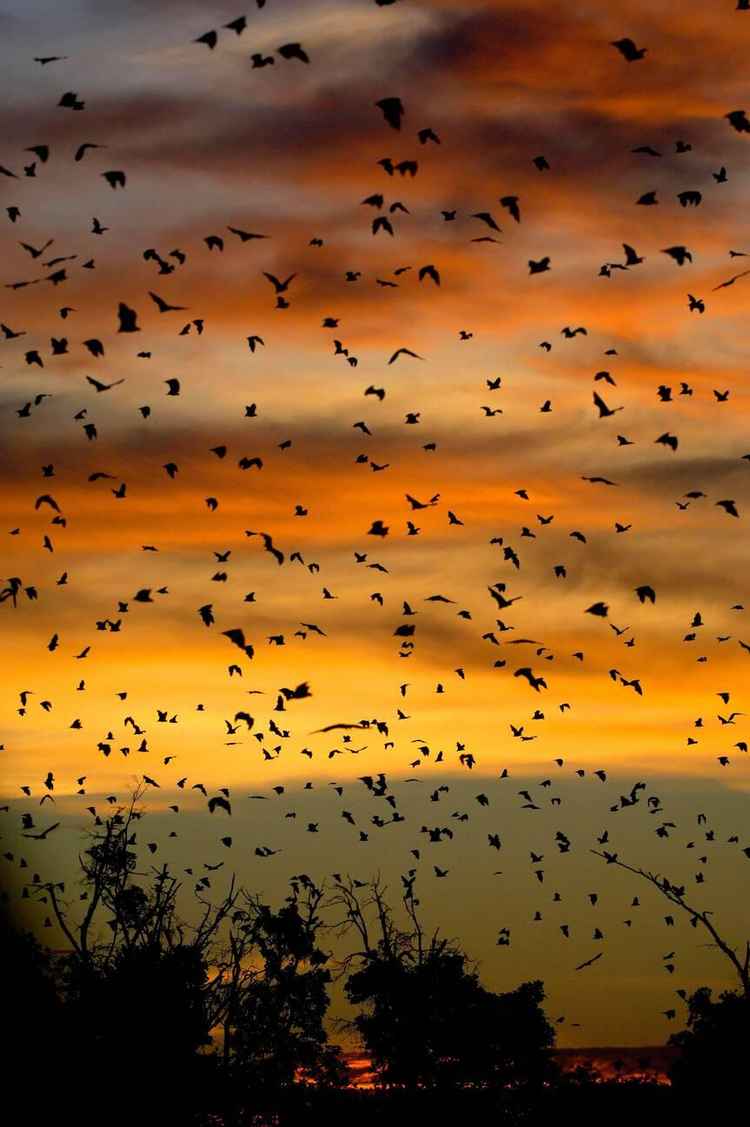
Visiting Kasanka between October and December also offers travellers the chance to witness one of Africa's most remarkable wildlife spectacles: the annual straw-coloured fruit bat migration.
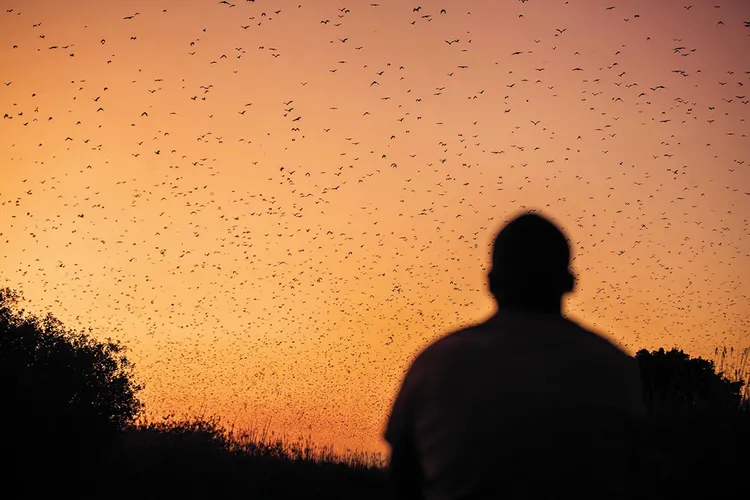
During the peak of the migration, millions of straw-coloured fruit bats gather in a small area of mushitu forest within the park. As the bats arrive in large numbers, the skies above the forest become one of the most extraordinary sights in Zambia's natural world.
For travellers who are willing to stay a little longer and experience the park beyond a quick visit, the migration is a reminder that some of nature's most memorable moments cannot be rushed.
Birdwatching and Wildlife in Kasanka
Kasanka is also a rewarding destination for birdwatchers, with hundreds of bird species recorded in and around the park. Notable species associated with the area include the Shoebill, Purple-throated Cuckooshrike and Böhm's Bee-eater.
Other wildlife found in the park includes species such as blue monkeys, puku, hippopotamus and the elusive sitatunga antelope.
But slow travel is not only about ticking animals off a wildlife checklist. It can also mean spending an unhurried morning listening to birdsong, walking through the wilderness, watching the landscape change, or simply sitting quietly at camp and appreciating the surroundings.
What to Pack for a Slow Camping Trip
Whether you spend the day exploring the park or relaxing at your campsite, there are a few essentials worth packing for this type of trip.
Depending on the facilities available at your chosen campsite, these may include:
- Sunscreen
- Insect repellent
- Food
- Cooking equipment, such as a mbaula and charcoal, where appropriate
- A lighter or other safe fire-starting equipment
- Drinking water and, where necessary, a water filter or purifier
- A waterproof tent
- A sleeping bag
- Binoculars for wildlife and birdwatching
- Different types of clothing for changing or unexpected weather
- A first-aid kit for emergencies
Before travelling, it is always worth checking directly with your accommodation or campsite about what facilities and equipment are available on site.
How Slow Travel Can Support Conservation
Protecting places such as Kasanka requires more than simply admiring their wildlife.
Across Zambia, conservation organisations and local communities work to protect ecosystems, wildlife and natural habitats through conservation programmes, education, research and anti-poaching efforts. Travellers and other supporters can contribute in different ways, including donating to reputable organisations, volunteering where appropriate or supporting conservation initiatives through responsible tourism.
Organisations such as Kasanka Trust, Wildlife Crime Prevention and Chipembele Wildlife Education Trust are among those working to support wildlife conservation and education in Zambia. Before donating or volunteering, travellers should visit the organisations' official websites to learn about their current programmes and the different ways they can get involved.
Slow travel can also encourage visitors to think more carefully about the places they visit and the impact they have while there. Spending longer in one destination can create more opportunities to support local businesses, learn from communities and develop a deeper appreciation for the natural environment.
Why Slow Travel Can Be Better for Your Budget and the Environment
For many travellers, slow travel can feel less stressful than following a tightly packed itinerary. Instead of constantly checking departure times and rushing from one attraction to another, travellers have more time to rest, explore and experience a destination at a comfortable pace.
Slow travel can also be more affordable in some circumstances. Staying longer may allow travellers to choose self-catering accommodation, prepare their own meals, shop locally or take advantage of longer-stay rates. However, travelling slowly is not automatically cheaper, as the overall cost will still depend on factors such as accommodation, transport and the activities you choose.
The same applies to environmental impact. Slow travel can reduce some environmental pressures when it involves fewer journeys between destinations and encourages travellers to stay longer in one place. However, the environmental impact of a trip still depends on factors such as how far you travel, your mode of transport and the accommodation you choose.
Ultimately, slow travel is about being more intentional. It is about resisting the pressure to see everything and instead giving yourself the freedom to experience something properly.
Sometimes, seeing less can help you experience more.