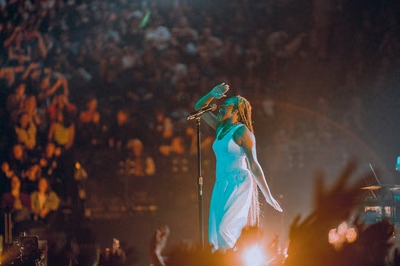
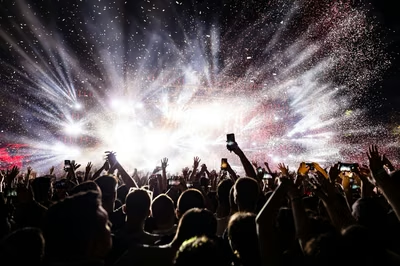
I walked into the Lusaka Polo Field expecting the usual Zambian event chaos. I left genuinely impressed. Parking was organised, collecting my tag was effortless, and food and drink vendors were stationed in every single section. Toilets? Everywhere. Chairs? I was in shock. Foldable chairs, benches, haystacks, stools, from VVIP all the way down to standard. The screens worked perfectly, so nobody missed a thing. And there was no silence at any point. Danny Kaya, Yo Maps and Jason Derulo were a 10 out of 10, and every set ran on time. That last part alone felt historic.
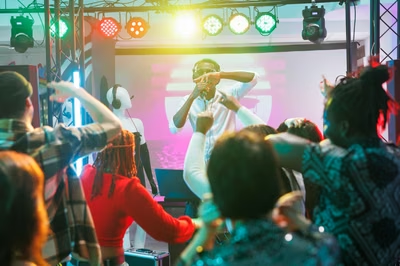
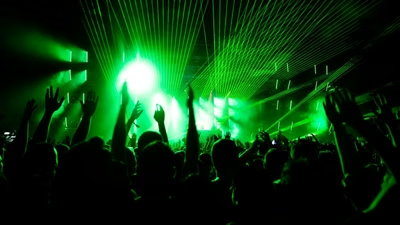
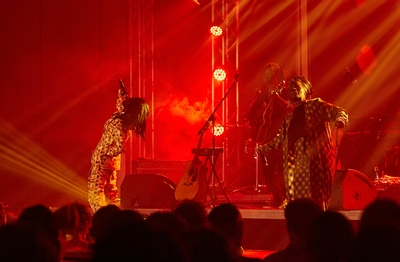
A week later, R&G Oktoberfest at the R&G Arena delivered a completely different night. This year's theme was Africa Unleashed, and the line-up leaned heavily on Zambian talent. Two stages, and a crowd that came ready. It was loud, loose and packed with the kind of energy only Oktoberfest can manufacture. The standout? Yo Maps. He was the best performance of the night, full stop. If Stanbic felt like a polished stadium show, Oktoberfest felt like a proper festival. Neither was “better.” They were simply serving different parts of the same hungry market.
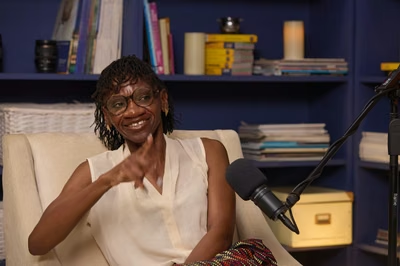
That market is bigger than most people admit. The Stanbic Music Festival alone is designed to pull in international visitors, with government officials openly linking it to spending on hotels, restaurants, transport and vendors. Stanbic's CEO called the festival “an investment in people, businesses and the future of the creative industry”. And sponsorship is the engine under the bonnet.
For vendors, the maths is simpler. Where crowds gather, a temporary economy forms, mostly informal and mostly untaxed, but real income for people selling food, drinks, merchandise and transport. Every chair I sat on, every drink I bought and every tag I collected was somebody's payday. That is the side of the nightlife economy the social media highlights never show.
But here is the uncomfortable truth. Zambia's live entertainment industry can throw a brilliant party. It cannot yet guarantee one every month. Power outages have wrecked concerts in Lusaka, with promoters caught without backup generators or lighting. Musicians have publicly complained about poor event planning, rushed sound checks and sets squeezed because organisers started preparing on the day of the show. The country still lacks enough theatres, studios and purpose-built venues to sustain large-scale events all year round. The Stanbic Music Festival even took a deliberate pause in 2025 to “build a bigger, bolder experience” for the future. That pause tells you something: the ambition is there, but the calendar is fragile.
What Stanbic proved to me is that when money, sponsorship and planning align, Zambia can host a world-class night out. The parking, the seating, the screens, the timing- none of it was accidental. It was paid for, planned for and executed. Oktoberfest proved that the appetite is loud enough to fill an arena with two stages and still leave people wanting more. The gap between those two successes and a sustainable, year-round industry is not talent. It is infrastructure, backup power, professional event management and consistent corporate investment.
I left both weekends wanting more. That is the good news. The question is whether Zambia can build the systems to give us more without waiting for another October.