For most concertgoers, a major live show starts with buying a ticket and ends with a memorable performance. While concertgoers spend only a few hours at a show, they are often unaware of the intricate network of businesses and professionals required to pull it off or the months of planning needed to bring it all together.
In Zambia, the number of regular large-scale concerts featuring local and international artists has increased over the last decade. These concerts go beyond music; they are economic ecosystems that contribute to the wider national economy. The trend is also visible in more developed concert markets on the continent. PwC estimates that live-music ticket sales generated US$76 million (R1.4 billion) in South Africa in 2024, compared with around US$1 million each in Kenya and Nigeria. South Africa’s live-music ticket market is forecast to grow by an average of 5.9 per cent a year through 2029.
Behind the Music
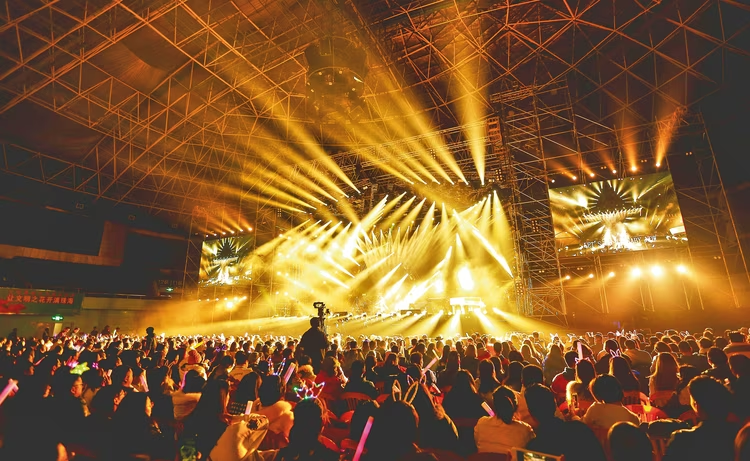
Event owners, organisers and promoters bring concerts and music festivals to life, but they must work with a wide range of specialised service providers. These service providers handle production, security, ticketing, marketing, transport, logistics and hospitality, among other elements.
Moses Zulu, founder and CEO of Digital Events, which handles stage production for Zambian Breweries' Mosi Day of Thunder (MDOT), one of Zambia's best-known musical events, explains that the technical operation alone involves assessing the venue, anticipated audience, stage design and artists' requirements before determining equipment, personnel, power and safety needs. Specialist crews then install and test the infrastructure, with sound checks, rehearsals and safety inspections taking place before the gates open.
Lusungu Ng'uni, senior brand manager at Zambian Breweries, adds that preparations for MDOT typically begin around six months before the event and involve coordination with event agencies, local authorities, tourism bodies, safety and security partners, suppliers, artists, venue operators and community stakeholders.
Where the Money Goes
Although budgets vary by event, large concerts generally fall into several broad expenditure categories.
The most popular local artists can earn considerable sums, but international artists command substantially higher fees, especially when you factor in travel and hospitality requirements. A 2025 industry study by Nigeria's National Council for Arts and Culture and RegalStone Capital estimated that Nigeria's music industry generated about US$600 million in 2024, with live performances accounting for more than 65 per cent of total industry revenue.
Production is another major cost centre. Creating a professional live experience requires sizeable investments in equipment, infrastructure and skilled personnel. Ng'uni says major events also require significant spending on logistics and transportation, safety and security measures, marketing and communications, sanitation services, venue preparation and event staffing.
Marketing and promotion also account for a large share of spending. Organisers must build awareness, generate excitement and convert interest into ticket sales.
Other costs include fencing, crowd management, ticketing systems, medical services, transport and accommodation.
The Ripple Effect
The economic impact of a successful concert goes beyond the event grounds. Held annually in Livingstone, MDOT has evolved into one of the country's largest destination events. The 2026 edition attracted a record 12,280 attendees, according to Zambian Breweries, including visitors from Zimbabwe, Namibia and Botswana as well as travellers from across Zambia.
According to Ng'uni, MDOT generates demand for accommodation, restaurants, transport services, retailers, tourism operators and a range of small and medium-sized businesses. She says the event also helps position Livingstone as both a tourism and entertainment destination.
For Livingstone, Zambia's tourism capital and home to Mosi-oa-Tunya, such events represent more than entertainment, drawing visitors who might otherwise not have travelled to the city. Photographers, videographers and content creators secure work opportunities. The wider visitor economy is significant. Zambia recorded 2.3 million international arrivals in 2025, up 4.3 per cent from 2024, while the tourism sector directly supports more than 159,000 jobs, according to the Ministry of Tourism. Destination events such as MDOT and the Stanbic Music Festival sit within that wider growth story.
While the concert industry has its challenges, getting audiences to come out generally hasn't been a major issue. There is a demonstrated appetite for live entertainment in Zambia and audiences in neighbouring countries willing to travel for the right show, especially when globally recognised artists are performing. The wider events economy elsewhere in SADC demonstrates the potential. During the 2025/26 financial year, Cape Town approved 983 event permits. The approved events attracted around 4.1 million spectators and participants across the city. A review of 30 major events estimated their combined contribution to the local economy at more than R5 billion, while 20 assessed events generated more than 31,000 temporary and permanent jobs.
Why So Few International Concerts?
Given growing audiences, a natural question arises: why doesn't Zambia host more major international concerts?
The answer lies largely in economics.
Large events require substantial upfront investment, often months before any ticket revenue is realised. Organisers must balance production costs, artist fees and operational expenses against a market where ticket prices have practical limits.
Bringing international artists to Zambia can be particularly expensive. Performance fees are frequently denominated in foreign currency, exposing organisers to exchange-rate risks. Flights, accommodation and technical requirements further increase costs.
Zulu says Zambia's production industry has grown significantly, with local companies now owning professional staging, sound, lighting, LED, rigging and power equipment, alongside a growing pool of skilled technicians. However, larger or highly specialised productions may still require equipment not readily available locally, including stadium-scale audio systems, advanced lighting and control systems, specialised rigging and very large-format LED installations.
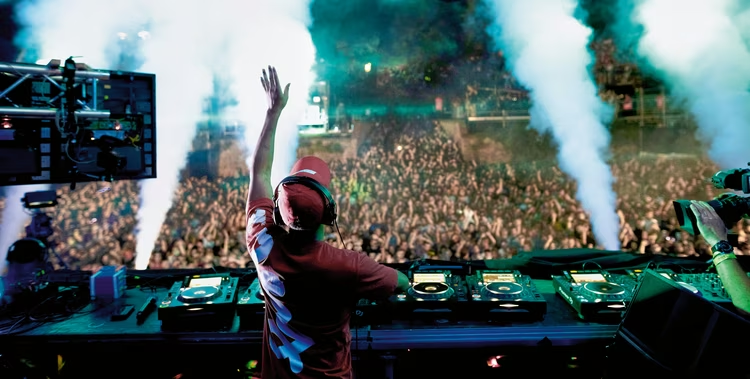
Corporate sponsorship has therefore become an important part of the equation. Partnerships help reduce financial risk while enabling organisers to deliver experiences that might otherwise be commercially difficult.
The Next Stage
Over the past decade, Zambia's live-events industry has become noticeably more sophisticated. Event-management firms have expanded their capabilities. Production companies have invested in equipment and technical expertise. Digital marketing has transformed how events are promoted. Online ticketing platforms have improved access and convenience for consumers.
Nationally, tourism, the sector these events feed into most directly, now contributes approximately 7 per cent to Zambia's GDP, according to the Ministry of Tourism.
Zulu also points to the need for continued investment in formal technical training, internationally recognised safety standards, specialist rigging skills and modern production technology if Zambia is to handle increasingly large and technically demanding productions.
Ng'uni similarly highlights the importance of continued investment in event infrastructure, skills development, tourism promotion, connectivity and logistics, alongside collaboration between the public and private sectors.
The challenge, then, is not simply hosting bigger concerts but strengthening the existing ecosystem to better support them consistently: the companies, equipment, skills and infrastructure needed to make large-scale productions technically and commercially viable. Eager audiences are already there, and Zambia has shown that it can host major concerts; the issue now is how to scale what has already been achieved.