Komba Malukutila is Chief Executive Officer of MTN MoMo, the mobile-money arm of MTN Zambia. He joined MTN Zambia eighteen years ago as an intern. An executive, content creator and fitness enthusiast, he added another title to that list earlier this year when he founded C-Suite Africa and hosted its leadership summit, which brought together executives and emerging leaders from across the continent. I sat down with him to talk about the mentors who shaped him, the mistakes he has made peace with and the doors he is now trying to hold open for others.
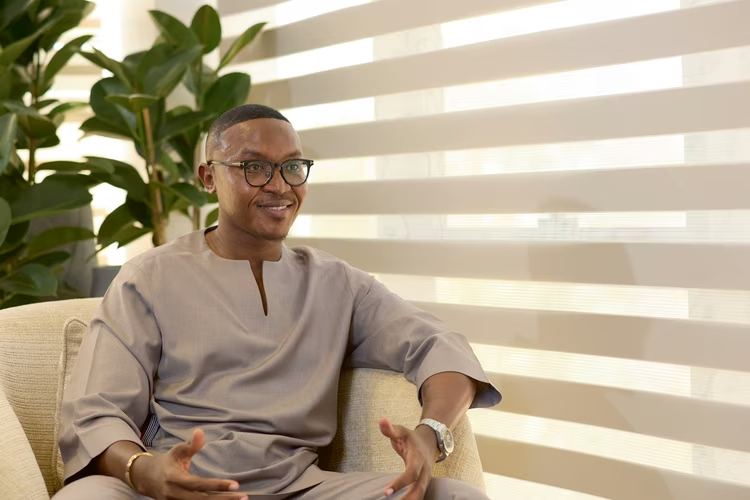
Komba grew up in Luanshya, a quaint mining town on the Copperbelt, and is quick to credit that upbringing for how he approaches work today. He lost his mother when he was eleven and was taken in by an aunt and uncle. “My mom left me with a very fundamental lesson, which carried me through my upbringing: in every home outside ours, I should add value,” he told me. “I was very intentional about what value I added in that home. That shaped my growth in every environment, whether it was school or work.” It is a belief that has shaped every decision he has made since.
He is candid about how this idea of value looks different depending on where you sit in an organisation, and how his own understanding of it changed as his responsibilities grew. “Early in a career,” he says, “you are rewarded for what you personally can do. As you rise, you are measured more by what your team can accomplish without you doing everything yourself.” He calls the shift from ‘performer’ to ‘enabler’ one of the hardest and most important transitions in leadership.
“I don't have any real skills. I'm not an HR expert, I'm not a finance expert, I'm not even a technology expert. My gift is identifying my team's strengths and placing them in positions where they can really shine. As a collective, we shine. That's been and will always be my strategy. Most times, I don't tell people what to do. I just poke at what they're already good at and ask them if they're really applying their full self to the problem.”
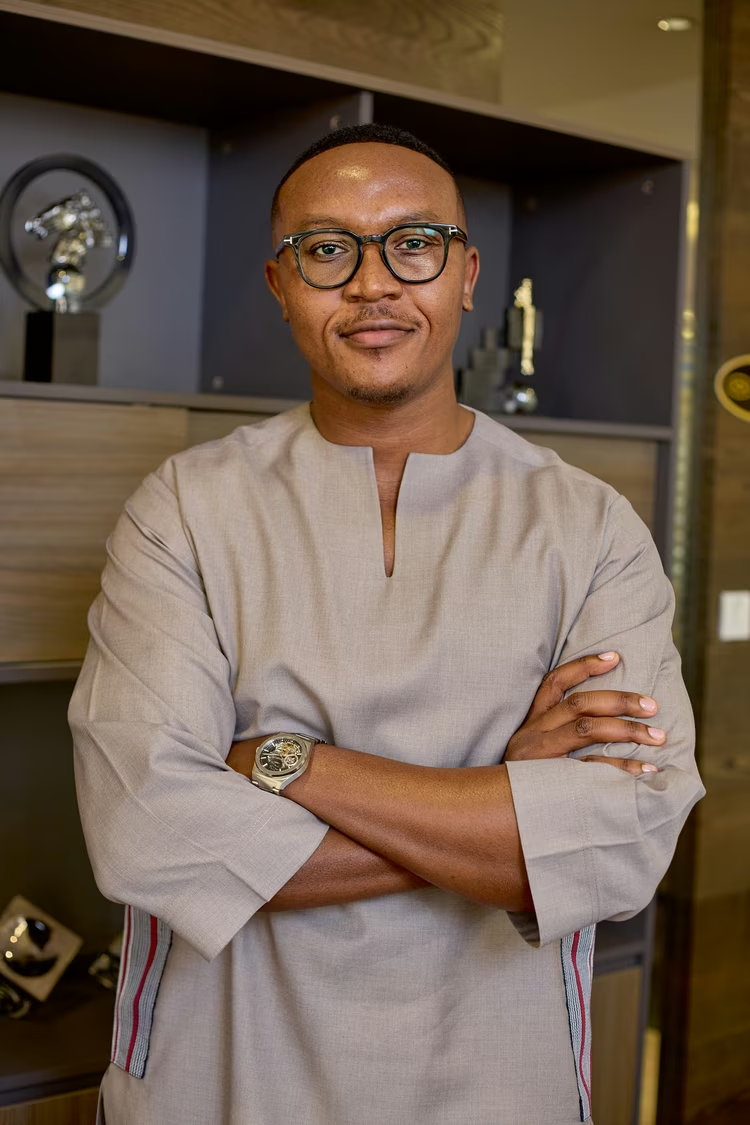
He is particularly direct with younger professionals who assume the corner office is mostly about a bigger pay cheque and a nicer view. “Sometimes we romanticise the title and underestimate the responsibility,” he shares. “You're accountable for people's livelihoods, shareholders’ money, customers and decisions that can affect thousands or millions of people. In Zambia specifically, young professionals need to understand the importance of exposure. Become excellent at your job, but don't stay trapped inside your job description. Understand finance, strategy, technology, people and the broader business. Your technical skill may get you noticed. Your ability to understand the whole organisation is what prepares you to lead it.”
There was also a habit he had to unlearn on the way up: “Thinking I had to be involved in everything. High performers often become leaders because they're used to taking ownership and getting things done. But at some point that strength becomes a weakness. If every important decision still requires you, you haven't built an organisation. You've built a dependency.”
He is just as direct when the conversation turns to money and young Zambians. “First, earn aggressively by becoming valuable,” he told me. “Then learn to keep and invest what you earn. Lifestyle inflation is very real. The more you make, the easier it becomes to convince yourself that you need more. But I also don't believe in postponing life forever. If you can genuinely afford something that gives you joy, enjoy it. Travel. Buy the nice car. Have the experience. Just don't confuse looking wealthy with actually building wealth. Enjoy your money, but make sure your money is also working when you're not.”
I asked him what African excellence actually means to him, beyond the phrase. He believes it begins when Africans stop asking to be judged by a different standard. To Komba, African excellence is building African businesses, leaders and institutions that can compete with the best in the world. Not ‘good for Zambia’, not ‘good for Africa’, just good. It should solve problems and create opportunities for Africans.
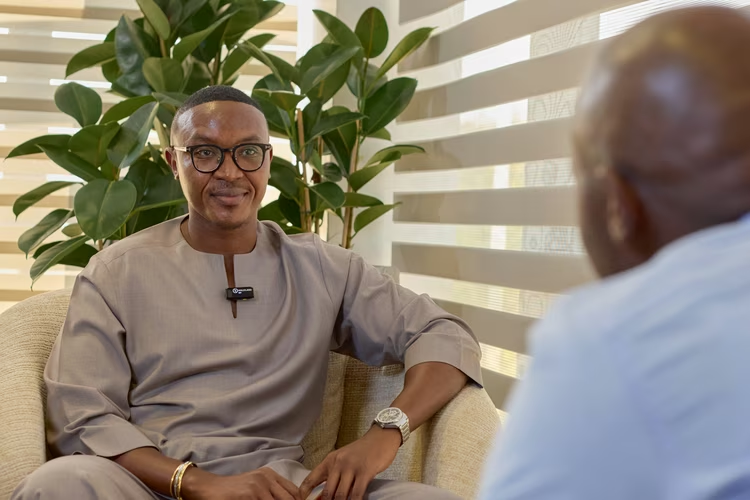
That conviction eventually led to C-Suite Africa. He does not see it as impressive to reach the top and stop there. “I don't think success is particularly impressive if the ladder disappears after you've climbed it,” he said. “Someone gave me an opportunity. Someone mentioned my name in a room I wasn't in. Someone decided I was ready before I was completely sure myself. We have an obligation to do that for others. That's part of why I created C-Suite Africa. I want to help build a generation of African leaders who are connected, exposed and prepared to lead at the highest level.”
He does not shy away from the isolation that comes with the role either. Building community into his life has therefore been deliberate. To him, community means belonging, family, friends, colleagues and mentors. He is conscious that these relationships need real intention now more than ever. “It is easy to keep telling people you will make time for them once things settle down,” he says, but life rarely settles down. He treats that community as seriously as anything on his calendar, precisely because the higher he has climbed, the fewer people there are who understand what the climb actually costs.
“Leadership is tough. It will really stretch you, and most of the time it's actually lonely because there are not a lot of people who exist in this sphere. You need to be quite intentional and deliberate in terms of how you are getting to where you are getting, and most people give up along the way because success is boring. It's very mundane.”
As we wrapped up, I asked him what he hopes his contribution to Africa will look like ten years from now, beyond MTN and fintech. “I would like people to say that I built things that outlived me: businesses, platforms and, most importantly, people. MTN and fintech are an important chapter of my journey, particularly because financial inclusion genuinely changes people's lives. But my ambition is broader than a title or one organisation. Ultimately, I'd rather be remembered for how many people I helped rise than how high I rose myself.”