There is a particular kind of silence that falls over a Lusaka minibus in October when the sun is at its peak, a silence broken only by the collective sigh of passengers peeling their shirts from their backs. But this year, the heat feels different. It is heavier, more persistent, and it is carrying a name: Super El Niño.
What Exactly Is a ‘Super’ El Niño?
You have likely heard the term on the news, usually followed by warnings about drought and failed crops. But let’s break it down simply. El Niño is a natural climate pattern where the Pacific Ocean gets unusually warm, and that warmth shifts global weather patterns. A "Super" El Niño is simply a much stronger version of this.
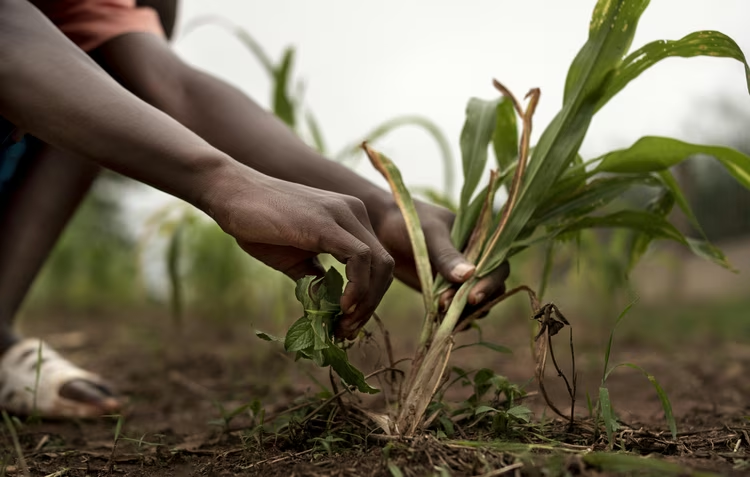
For Zambia, it is a double-edged sword. The government has warned that about 1.2 million Zambians could face acute food insecurity between October and March due to an El Niño-induced drought. The Zambia Meteorological Department is already sensitising farmers, noting that the super El Niño will be "devastating" in regions like Sinda, where crops may only get enough moisture by mid-December before the rains fade by March.

But the heat is the immediate, inescapable reality. With temperatures soaring past 40°C, health experts are urging the public to take heatstroke seriously, as prolonged exposure can cause dizziness, fatigue, and even disrupt brain function. As the sun beats down on our cities and towns, the question is not just "Will it rain?" but "How do we live through this heat today?"
How a Hot Planet Cooks Your Budget
The first casualty of the heat is often your wallet. For the urban dweller, the most visible sign is the price of food.
The Daily Struggle to Stay Presentable
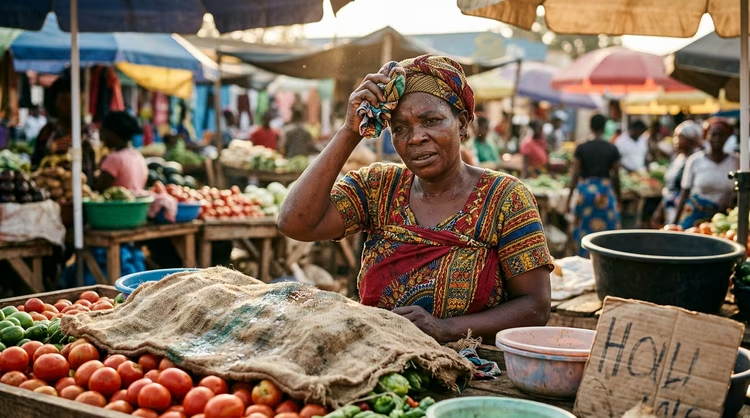
For the commuter and the office worker, the heat is a personal battle for dignity. By 10 AM, a crisp shirt has become a damp rag, and the desire to remain professional feels like a losing fight. The Zambia Medical Association advises seeking shelter in cool or shaded places and drinking adequate amounts of water to replace fluids lost through excessive sweating. The smartest trick I have seen is freezing your water bottle overnight. As it melts, you have a steady supply of cold water throughout the day, and you can press the bottle against your wrists to cool your blood. And if you are looking for a real hack, start your day with a cool shower and do not dry your hair completely. The evaporation will help keep you cool for longer.
Myths, Facts, and the Road Ahead
Not every piece of advice is created equal. A popular belief is that drinking hot tea will cool you down; this is a myth. It raises your body temperature and makes you sweat more. Another is that a fan blowing hot air is useless. While it does not cool the air, it does accelerate the evaporation of sweat from your skin, which is your body’s natural cooling mechanism. The key is hydration, and not just with water. If you are sweating heavily, you need to replace electrolytes. As the country navigates this prolonged dry spell, the choices we make in our homes and communities will define our resilience. The drought will end, but the lessons we learn in the heat will last a lifetime.