A braai in Zambia is more than a shared meal. It is an invitation to slow down, enjoy other people’s company and make connections in an informal setting. It is a celebration of everyday life. It is one way people come together without needing a wedding, a birthday party or any other special occasion. Sometimes, the sound of meat sizzling over an open fire is reason enough to gather with friends and family.
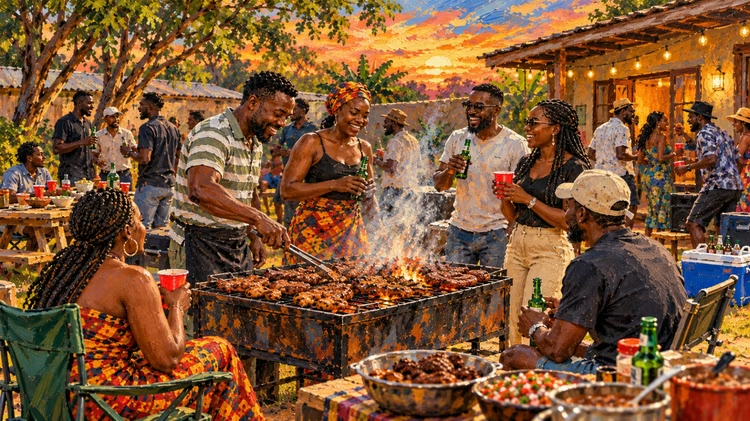
Whether planned as part of a weekend getaway or sparked by an unplanned afternoon, a braai gives people a chance to gather, catch up and unwind amid busy schedules and everyday responsibilities. Such gatherings can strengthen friendships, nurture a sense of community and help people feel they belong. Paul Mwale from Meanwood noted, “Braais are about unity, sharing a good meal, laughter and creating good memories with friends and family.”
Braais can also create opportunities for networking and business promotion, according to Esther Sakala from Chirundu. She explained, “Because it brings together different people from different walks of life, those in between jobs end up linked to potential employers during socialising. Also, those running businesses of their own get an opportunity to market their services to the people at the braai.”
Popular Types of Braais in Zambia
Braais bring people together, but they can also include fundraising activities and games such as pool, Ludo, cards and draughts. The gatherings can take different forms depending on where they are held.
A Home Braai
A home braai brings together family, friends and neighbours over food, music and conversation. It can be one of the more intimate and familiar ways to socialise.
A Car Wash Braai
Whether planned in advance or decided on spontaneously, a car wash braai offers a more public and informal setting. Guests can combine having their cars washed with grilled meat and conversation.
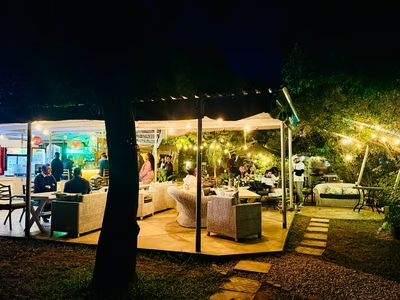
A Lodge Braai
A lodge braai may be organised by the lodge’s management or by guests themselves, often as part of a weekend getaway. It offers a chance to relax and enjoy a change of scenery. Depending on the facilities available, a lodge braai may also include swimming and outdoor games.
What Food Is Served at a Zambian Braai?
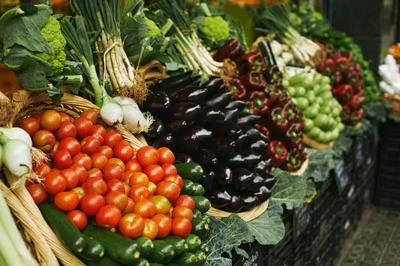
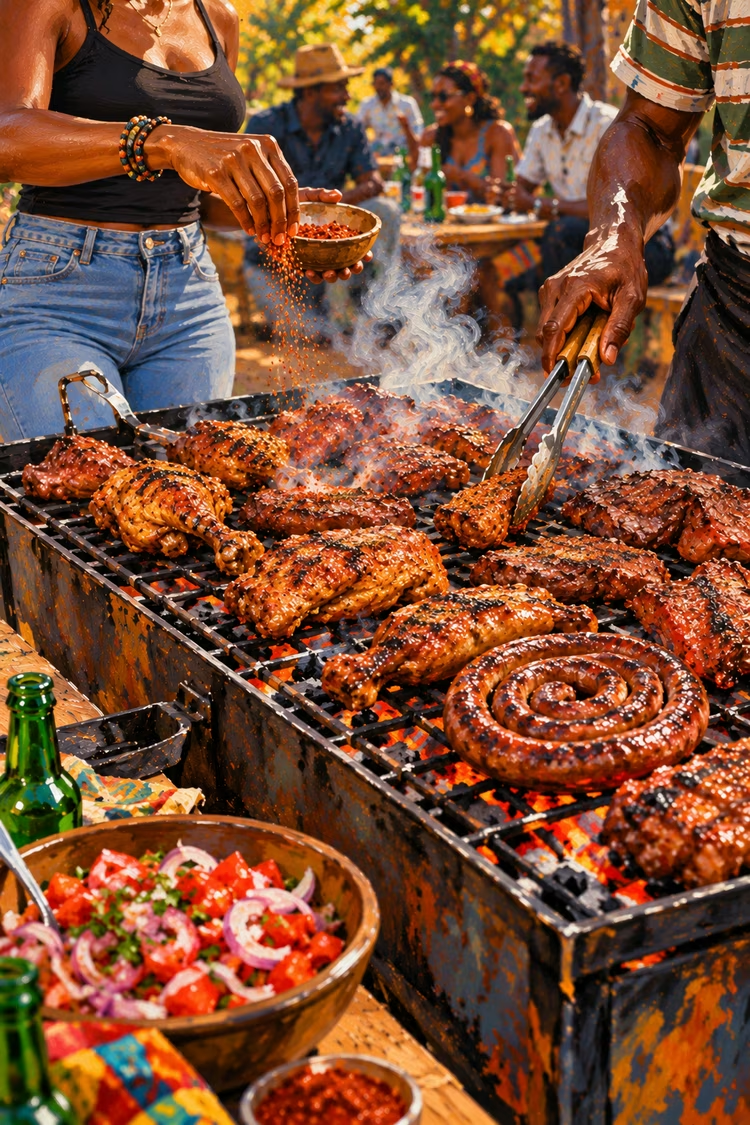
A Zambian braai is often an outdoor gathering centred on meat grilled over a charcoal fire. Depending on the host and guests’ preferences, the menu may include beef, pork, chicken, boerewors, goat meat, game meat or fish, including bream. These may be served with tomato and onion salad and local vegetable relishes.
Seasonings may include salt, garlic, ginger, onion, chilli, paprika, barbecue seasoning and lemon, alongside other spices chosen by the cook.
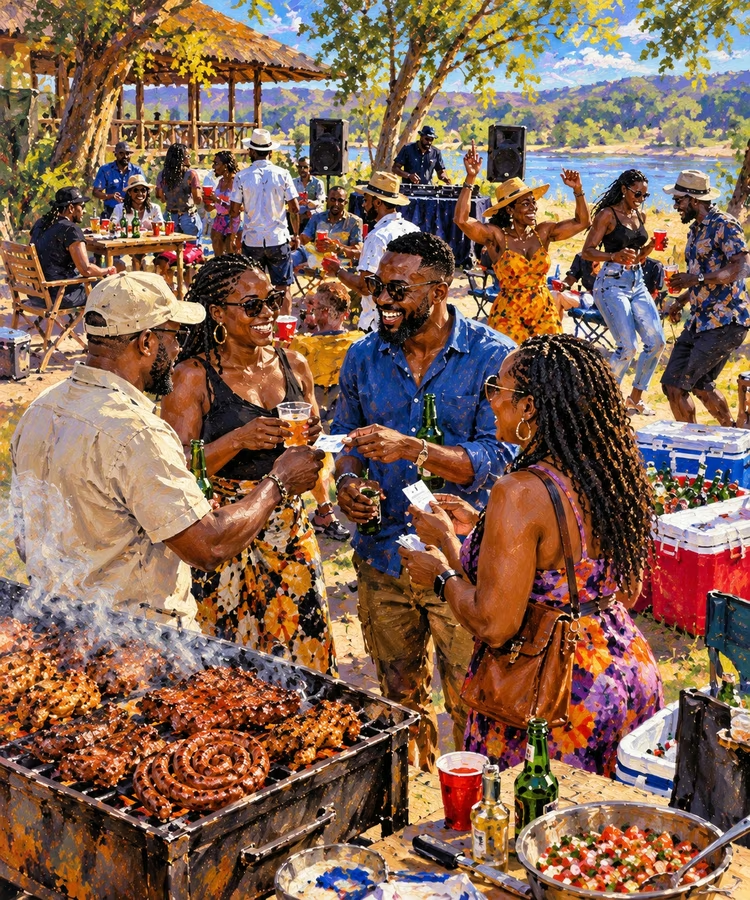
Esther Sakala from Chirundu says choosing the meat starts with finding a good butchery, after which the host buys a variety of cuts to suit different preferences. “As you might find, some people don’t eat pork, while others may not eat goat meat. So you want to cater for everyone,” she added.
But food is only one part of the braai experience. Thomas Ngoma, a resident of the Arakan Barracks and a frequent attendee of fundraising braais, shared, “There’s not a single braai I’ve attended where there was no music. Music is important, you know, it brings that celebratory vibe to the braai.” Similarly, Blessings Chilando, a student from the University of Zambia, also points out the importance of music at a braai. “Music at a braai helps me relax, frees me, sets me in the mood for dancing,” she said.
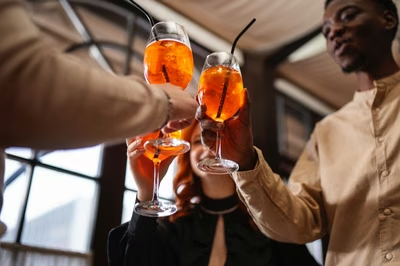
Depending on the gathering, hosts may also provide beer and other drinks, including munkoyo, a traditional fermented Zambian beverage. Chairs and other seating are often arranged for guests, while some hosts may hire a comedian for entertainment.
Who Brings the Food and Supplies to a Braai?
According to Kelvin Shankoti, a healthcare worker from Chirundu, who supplies the food and equipment depends on how the braai is organised. At a bring-and-share gathering, each guest contributes something, while one host may arrange everything for a gathering they organise themselves. “If one person organises it, they arrange everything, including the venue and food, before inviting guests,” he said.
However, in the case of a collectively planned braai, everyone contributes what they can manage. “We group ourselves and then decide which groups will organise the braai stand, the meat, the drinks, the music playlist, shade and tables and the rest. And once the party is on, it doesn’t matter who contributed what and how much, everyone eats and participates fully,” Bernard Mafwila from Lusaka shared.
How Men and Women Share Braai Responsibilities
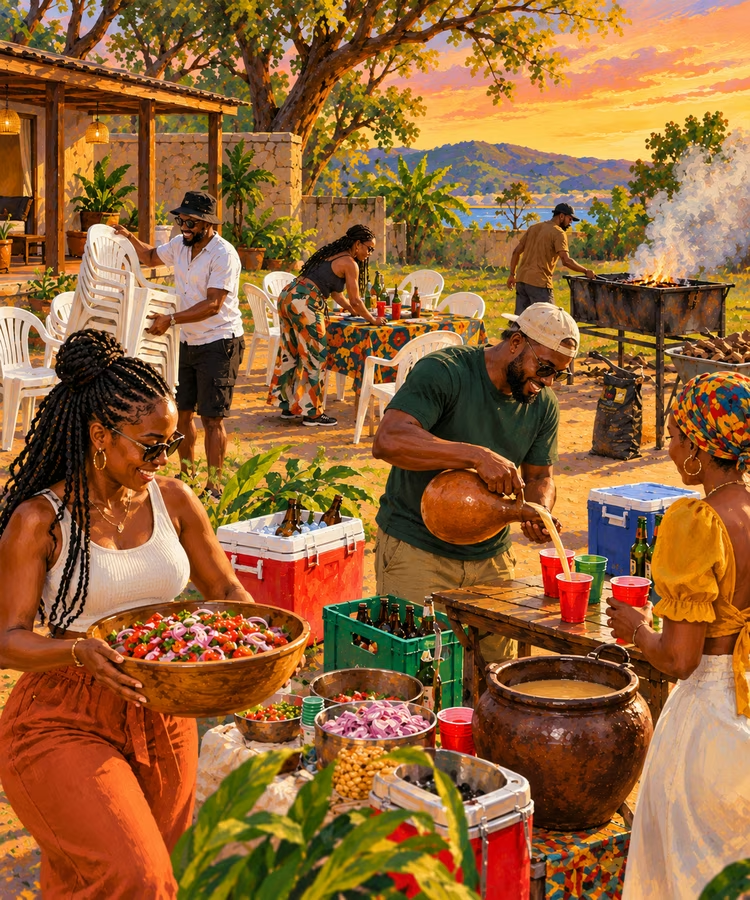
Responsibilities at a braai can be shared between men and women, although the division of tasks varies between gatherings.
Mapalo Simuchimba, a resident of Ndola, shared, “The gender roles aren’t really strict. Both ladies and gents lend a hand so everyone has enough time to socialise. But mostly, women handle the salads and marinating the meat, while men take care of starting the fire, roasting and setting out chairs.”
A successful braai gives guests enough food, drinks and comfort to enjoy themselves without making the gathering feel like a formal event. It helps strengthen existing relationships and can create new ones. As the gathering winds down, the fire is extinguished safely, leftovers are packed away, the venue is cleaned and guests thank their host. Guests may exchange contact details or business cards, say their goodbyes and start planning the next gathering.